Stingless bee honey colour: why one jar is pale, the next dark
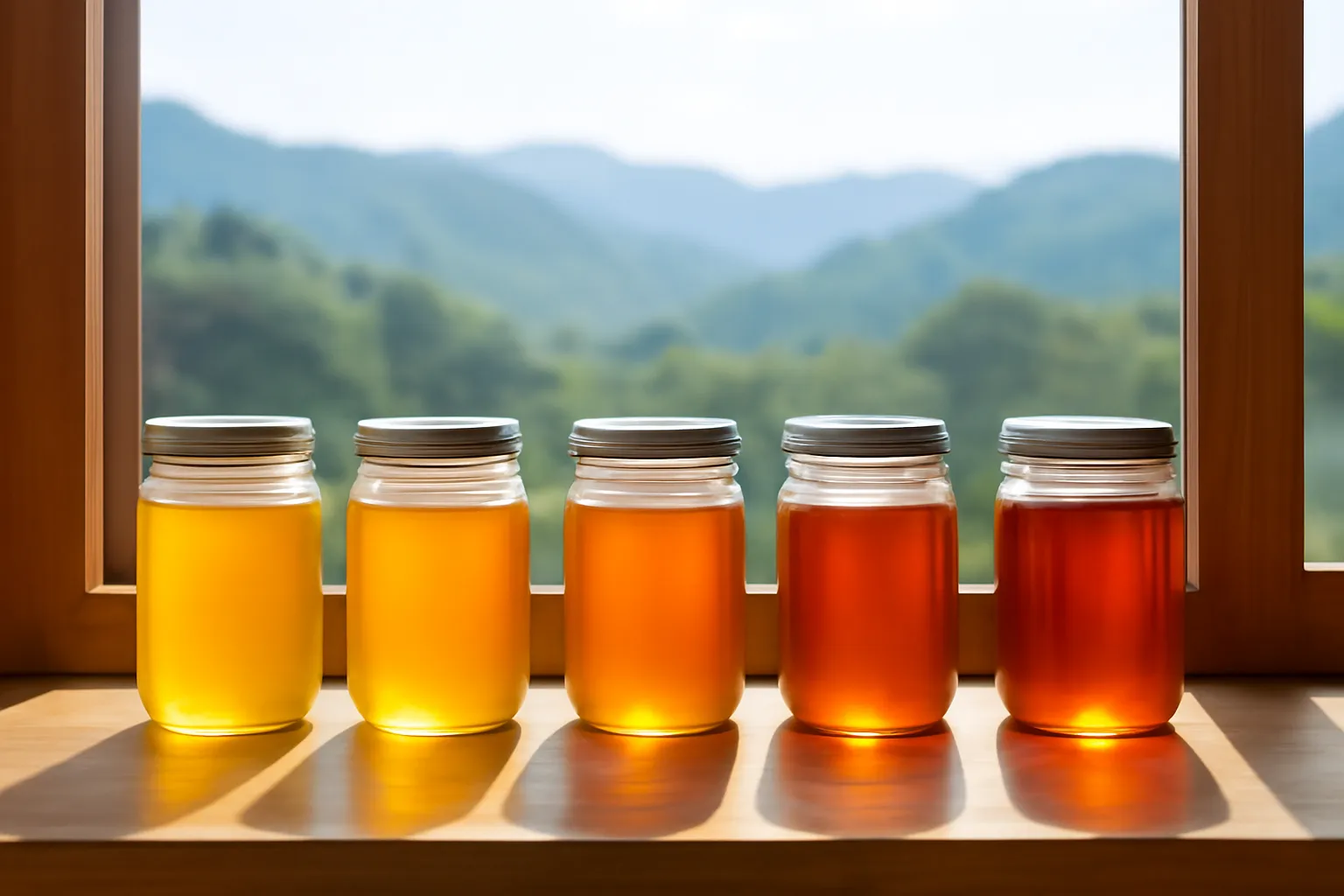
Stingless bee honey changes colour from batch to batch because each batch records different flowers, a different season, different resin in the storage pots and a different length of storage. Pale gold usually points to light, quick nectar flows; deep amber often comes from forest forage, resin-rich pots or honey that has aged. Neither colour is a quality grade.
People buying unblended honey for the first time are often surprised when the second jar does not match the first. Some worry that one of them is fake. In reality, matching colour across every jar is what you get when honey is blended. Here is what drives the colour of highland stingless bee honey, and what it can and cannot tell you.
The four things that colour a batch
The first is forage. Nectar from different plants carries different natural pigments and minerals. Some flowers give an almost water-clear nectar, others give something tinted. A colony that spent its weeks on coffee blossom will make different-looking honey from one that worked forest trees and wild shrubs.
The second is the pot. Stingless bees, the small dark bees of the tribe Meliponini, store honey in pots of cerumen, a mix of wax and plant resin. Resin is coloured, from yellow to dark brown, and honey resting against it slowly takes on some of that tone, along with some of its aroma.
The third is time. Honey that sits in the pots for a long period before harvest tends to darken, and honey keeps darkening slowly in the jar, faster if it is kept warm. This is a normal change in sugars and other natural components, the same reason old honey of any kind deepens in shade.
The fourth is handling. Heating darkens honey, and so does storage in warm places. Blending pale and dark batches evens everything out. Raw, unblended honey does none of this, so its colour stays honest to the first three factors.
Put together, these mean that two colonies on the same farm, harvested on the same morning, can fill jars that look clearly different. That is not a mistake in the bottling; it is the point of keeping batches separate.
What different colours usually suggest
Very pale, almost straw-coloured. Often a fresh harvest from a light nectar flow, with short time in the pots. Taste is usually bright and clean.
Golden yellow. A common middle shade. Many coffee-blossom periods give honey in this range, though it varies.
Light amber. Mixed forage with some forest influence, or golden honey that has rested a while.
Deep amber. Frequently forest-heavy forage, resin-rich pots or a longer storage time. Taste leans woody and savoury.
Reddish-brown tints. Some resins and nectars give a warm reddish cast. It is natural and depends on what trees are nearby.
Cloudy rather than clear. Fine particles of pollen or wax from simple straining. Raw honey is often slightly hazy.
Darkening over months in your fridge. Slow natural ageing. It does not mean the honey has spoiled.
A foamy pale layer on top. Usually tiny bubbles from mild fermentation or from pouring. Check the smell; a clean sour smell is normal.
Very dark and very thick. Unusual for raw stingless bee honey, which is runny. Ask whether it was heated, dried or blended.
Uniform colour across a seller's whole range. More likely blended. Unblended honey rarely looks identical batch after batch.
A colour that matches the label photo exactly. Photos are often taken of one batch. Do not worry if yours is a shade lighter or darker.
Colour alone cannot prove origin. Sellers can mix honeys to any shade. Taste, texture and an honest answer about handling tell you more.
Why colour is not a quality grade
In some honey markets around the world, colour is used as a commercial grade, mostly for honey bee honey sold in bulk. It is a way to sort large volumes for buyers who want consistency. That system says nothing about whether one colour is better food than another.
For stingless bee honey from small farms, colour is even less useful as a measure of quality. What matters is whether the honey was harvested cleanly from honey pots only, strained without heat, bottled in dry jars and kept cool. A pale jar handled carelessly is worse than a dark jar handled well.
There is also a common belief that darker honey is somehow "stronger" or better for health. We do not make that claim. Honey is food; darker honey tends to taste deeper, and that is the honest difference. Questions about health belong with a doctor.
The useful way to read colour is as a clue to the story of a batch: which part of the year it comes from, how much forest went into it, how long it rested. Once you see it that way, a shelf of different shades becomes interesting rather than worrying.
Practical tips for buyers and home keepers
Ask for the harvest time. Knowing roughly when a batch was taken lets you link its colour and taste to the season.
Keep a note of your favourites. If you like a pale, bright jar, say so next time. A farm keeping batches separate may be able to point you to a similar one.
Store cold to slow darkening. The fridge keeps raw stingless bee honey closer to its original shade and taste.
Use clear jars at home. You can see change, sediment or bubbles at a glance.
Do not mix jars together. Pouring old honey into a fresh jar spreads any fermentation and blurs both batches.
Judge by smell and taste first. A clean sour smell and a lively taste matter more than shade.
Expect cloudiness in raw honey. Simple straining leaves fine particles that scatter light.
Home keepers: harvest pots separately when curious. Draining pots from different parts of the nest into different bowls shows how much colour varies even within one colony.
Home keepers: only take sealed honey pots. Leave pollen pots and brood alone so the colony stays strong.
Do not heat honey to "clear" it. It may look brighter for a while, but the taste suffers and it darkens faster afterward.
Keep honey away from babies. Children under one year old must not have honey of any colour.
Does honey colour change inside one colony?
It does, and this surprises even people who keep bees. A stingless bee nest is not one big tank of honey. It is a cluster of many small pots, built at different times, filled at different times, sometimes from different flowers.
Pots at the outer edge of the honey store may hold recent, lighter honey, while older pots deeper in hold honey that has rested longer against the resin and darkened. When a keeper drains several sections into separate bowls, the bowls can look like they came from different hives.
Most harvests mix the pots of one colony together, which gives an average shade for that colony and that day. Keeping colonies separate rather than pooling many hives is what lets each jar reflect a specific place and moment.
For a home keeper, this is a lovely thing to observe once: drain a few pots into small glasses and line them up in the light. It teaches more about how stingless bees store food than any chart.
Frequently asked questions
Is dark stingless bee honey better than light?
Not as food quality. Darker honey usually tastes deeper and more woody, while pale honey tastes brighter. Handling and freshness matter far more than colour.
Why did my stingless bee honey get darker in the fridge?
Honey slowly darkens with age, even when cold, as natural sugars and other components change. Cold storage slows it down but does not stop it. A darker shade on its own does not mean the honey has spoiled.
Can colour show if stingless bee honey is fake?
Not reliably. Blended or adulterated honey can be made any colour. Texture, tartness and an honest answer about how the honey was handled are better clues.
Why is raw stingless bee honey cloudy?
Simple straining through cloth leaves tiny particles of pollen and wax in the honey. These scatter light and make it slightly hazy. Very fine pressure filtering is what makes honey perfectly clear.
Do stingless bee honey pots change the colour?
Yes. The pots are made of wax mixed with plant resin, and honey stored against that resin picks up some of its tone and aroma. Longer storage in the pots usually means a darker honey.
Should every jar from one farm look the same?
Only if the farm blends its batches. Unblended honey changes with season, forage and colony, so jars from different harvests will look different.
Written by the team behind a working stingless bee farm about 40 km from Ho Chi Minh City, Vietnam. Articles come from day-to-day work at the farm; technical figures are stated as ranges, not promises.
About the team →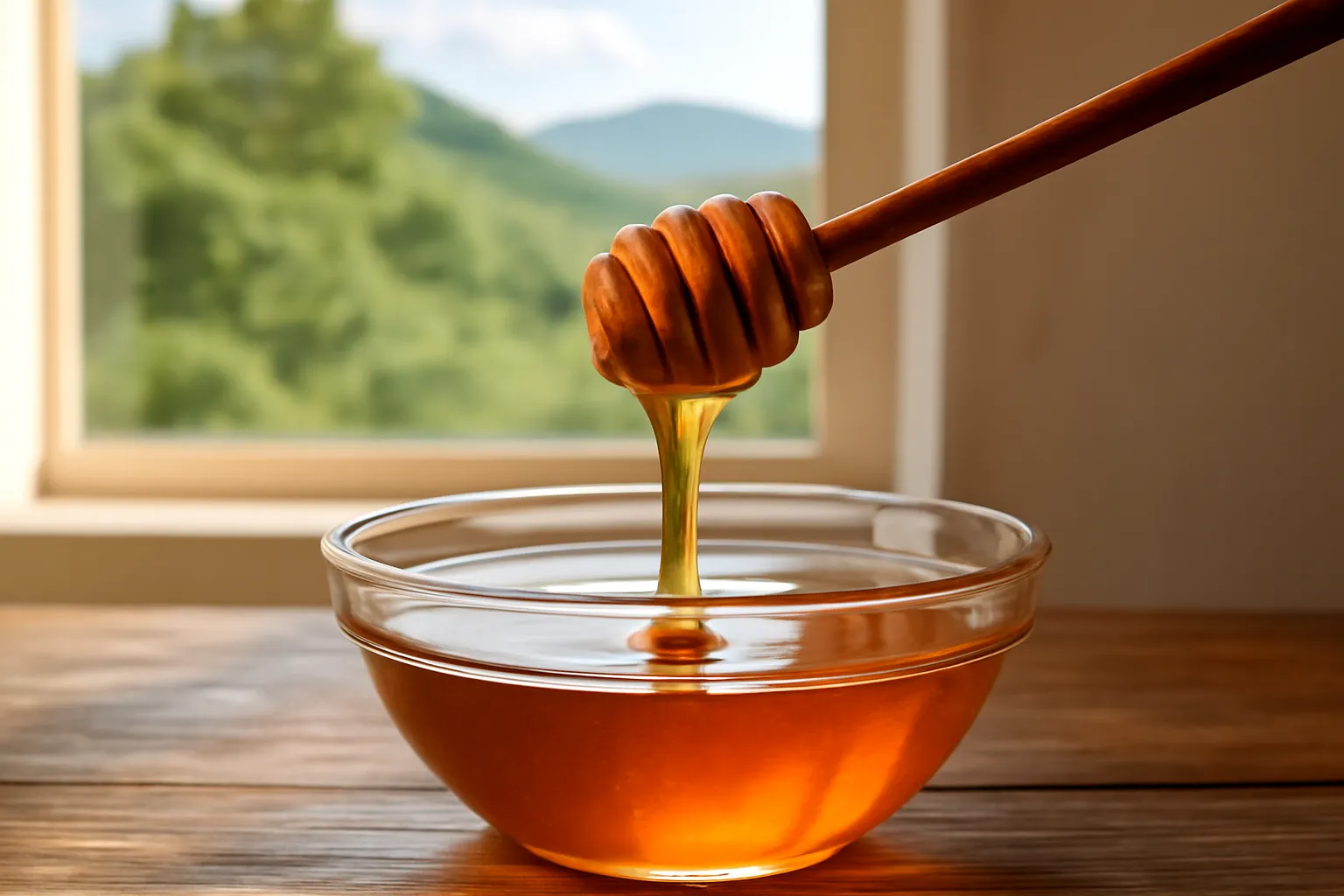
Raw unprocessed stingless bee honey: what "raw" really means
Raw stingless bee honey is honey drained from the wax pots, strained and bottled without heating, drying or blending. In Vietnamese the word for it is
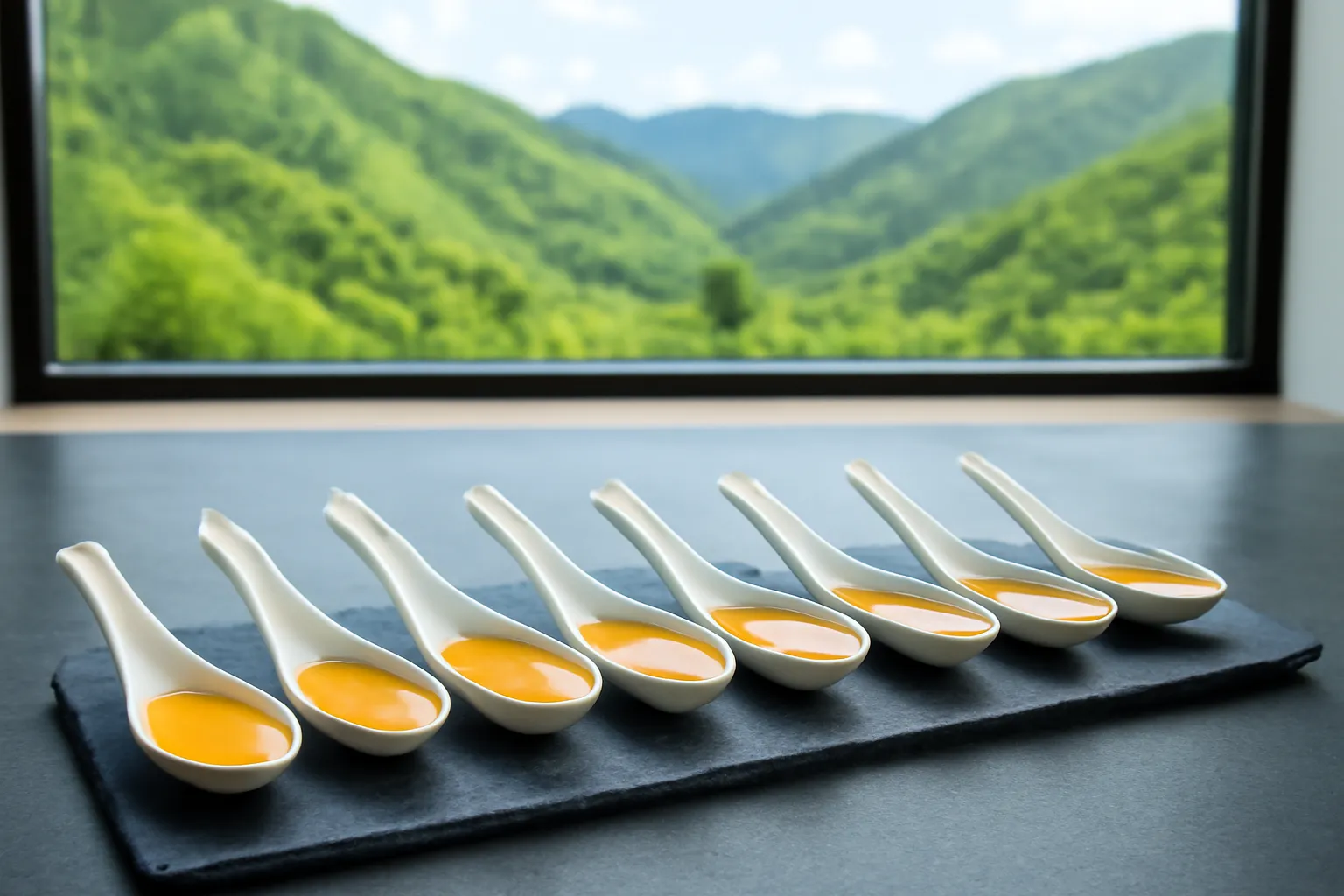
Forest stingless bee honey taste: highland flavour notes
Highland stingless bee honey tastes tart first, then sweet, with herbal, woody or resin notes from forest and coffee garden forage. It is usually shar
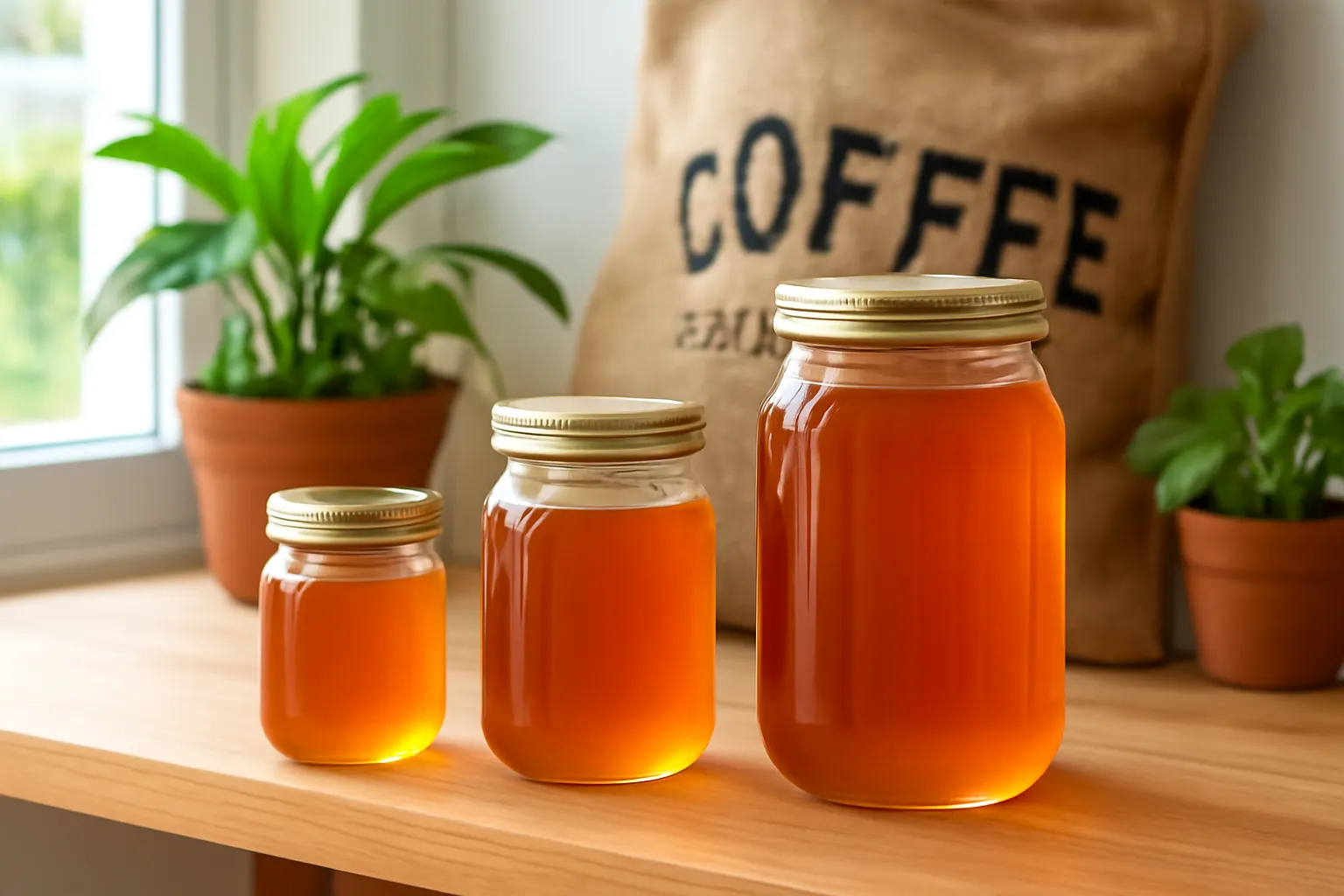
Buy stingless bee honey in Vietnam: unblended highland jars
You can buy unblended highland stingless bee honey from Ong Moc (MoraBee) in Ta Dung, Lam Dong, in 100 ml, 200 ml and 500 ml jars at 290.000₫, 580.000
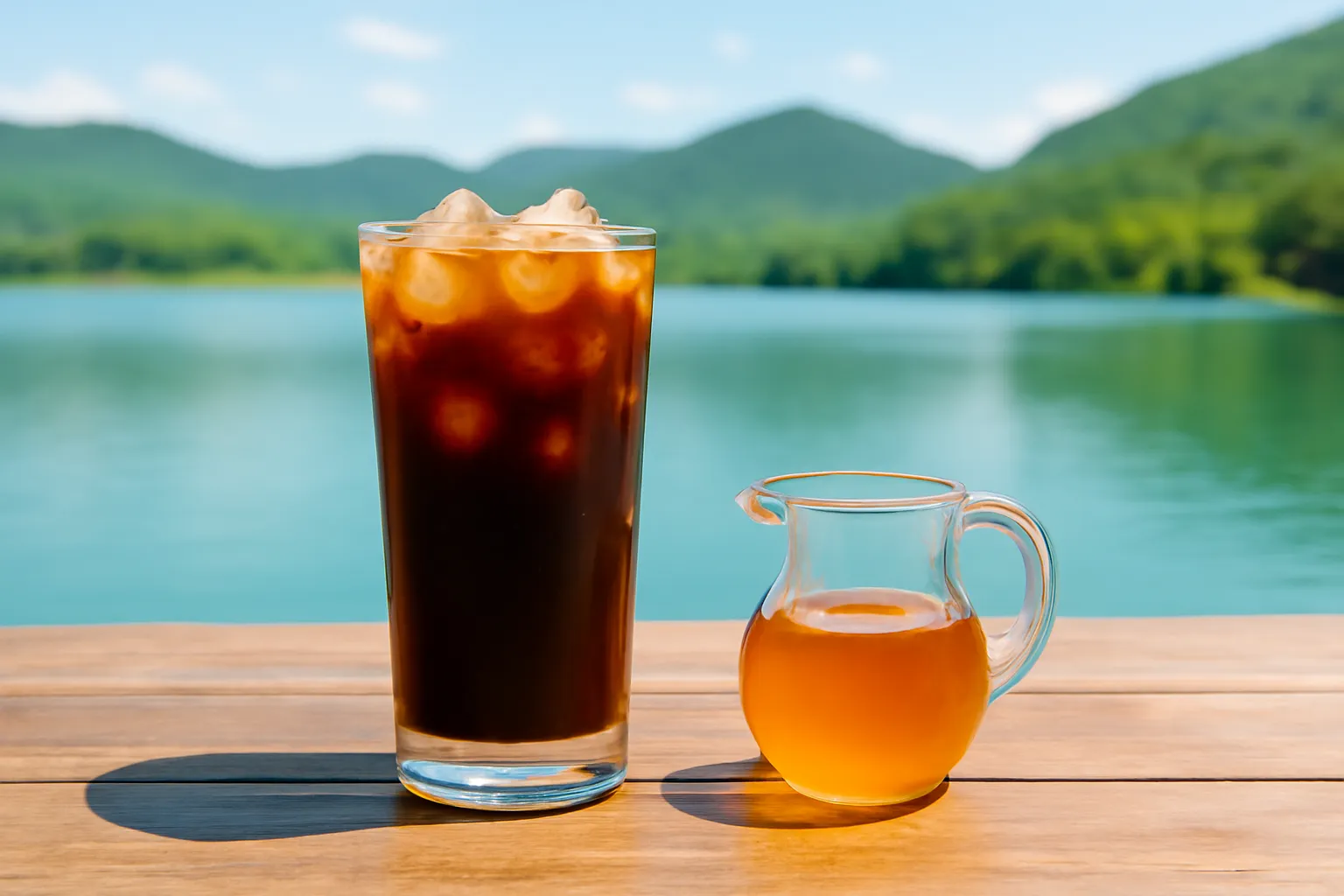
Stingless bee honey in coffee: pairing it with Vietnamese coffee
Stingless bee honey works well in iced black Vietnamese coffee and in light tea, where its tartness brightens the drink. Add it after brewing and go e
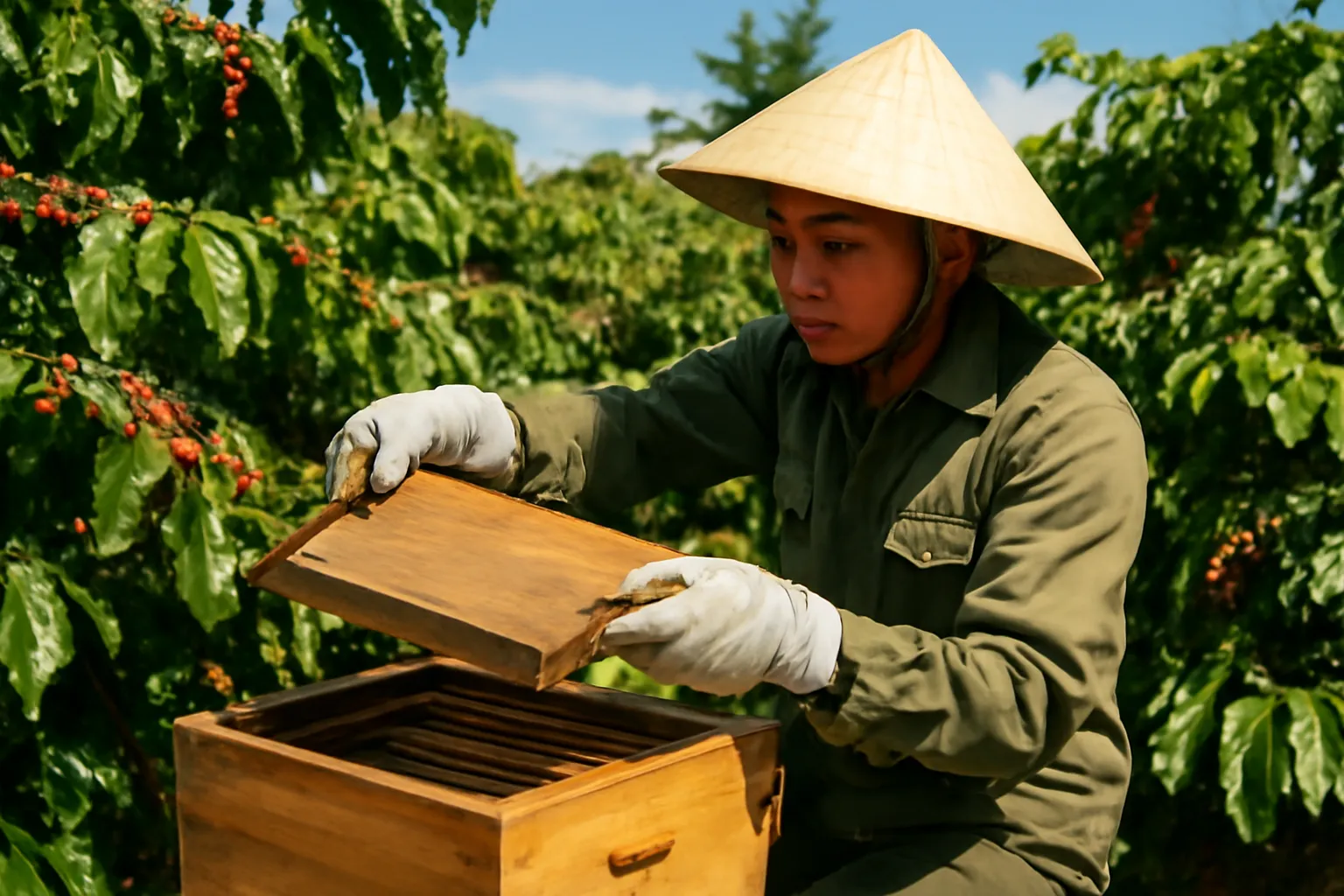
Best time to harvest stingless bee honey in the highlands
In the highlands the best time to harvest stingless bee honey is on dry, bright days after a strong bloom and before the long rains, taking only seale
 ›
×
›
×

MoraBee is the international name of Ong Moc, a stingless bee farm in Ta Dung, Lam Dong, among forest and coffee gardens: unblended honey in clean jars, starter colonies, and farm visits.
Vietnamese stingless bee honey from the highlands
A brand by Tên Miền Đẳng Cấp
© 2026 MoraBee. All rights reserved. · Copyright · OD-3864-C503