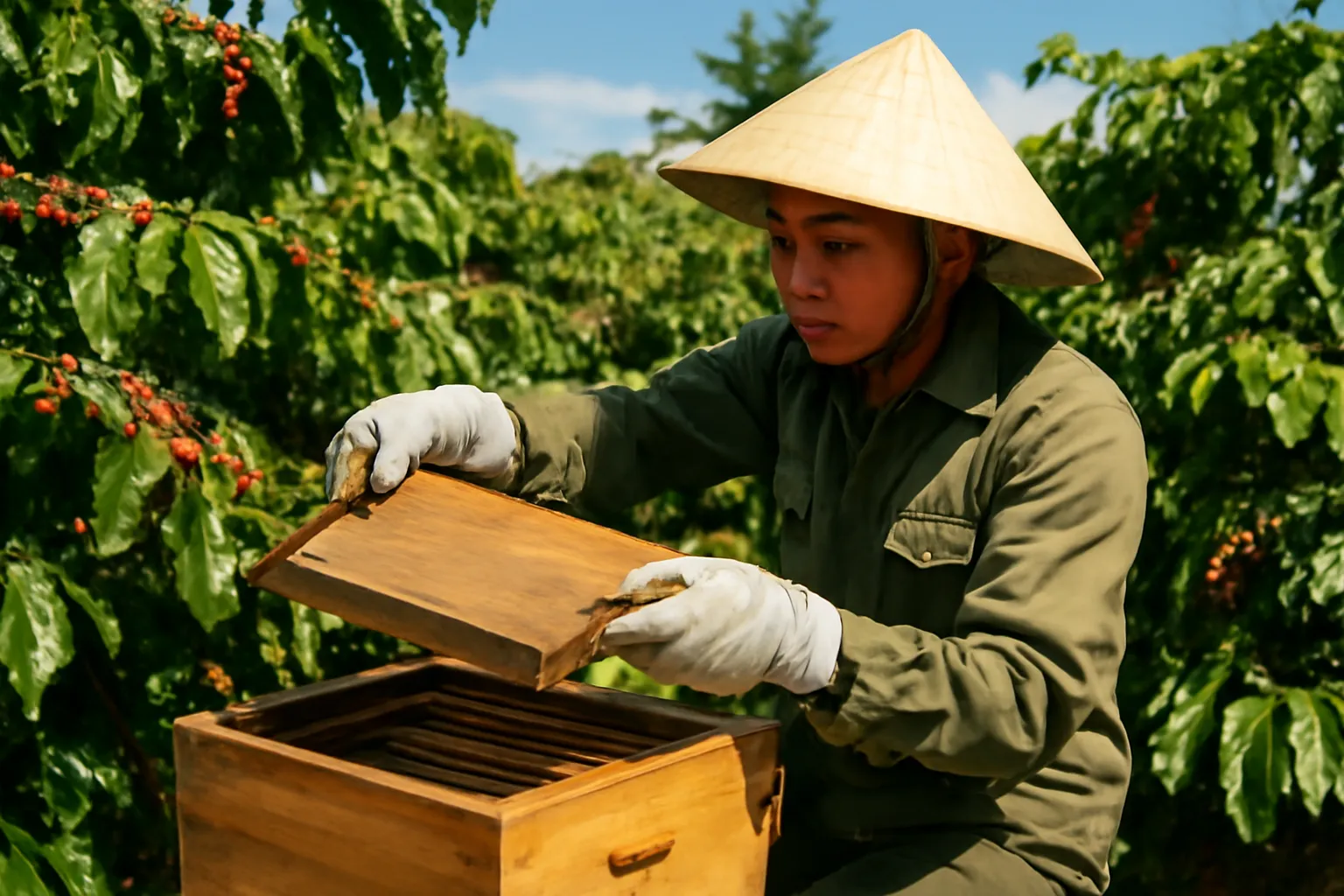
Best time to harvest stingless bee honey in the highlands
In the highlands, the best time to harvest stingless bee honey is on a dry, bright morning after a good flowering period and before the long rains set in. Take only sealed honey pots, leave the brood and pollen alone, and leave the colony a real share of its stores, because highland wet seasons can mean weeks of little forage.
Lowland keepers can sometimes harvest little and often. In cool, wet places like Ta Dung in Lam Dong, timing matters more: a harvest at the wrong moment can leave a colony weak just when it needs food the most. This article explains how the highland year shapes the decision, the signs that a colony has honey to spare, and the mistakes that cost colonies.
How the highland year shapes the harvest
The Central Highlands have two broad seasons. A dry season runs roughly from the end of the year into spring, with clear skies, cool nights and warm days. A long rainy season follows, roughly from late spring into autumn, with heavy afternoon rain and damp, cloudy weeks. The exact dates move from year to year.
For stingless bees, the small dark bees of the tribe Meliponini, this rhythm decides everything. They fly in warm, dry, bright weather and stay home in rain and cold. In the dry season they can work for many hours a day; in the wet season some days give them almost nothing.
Within the dry months, coffee, the main crop of the region, flowers in short, intense bursts, often after the first watering or an early shower. Forest trees and wild shrubs at the forest edge flower on their own schedule. Together they give the main period when colonies store more than they need.
That is why the sensible harvest window in the highlands sits after a good bloom has filled the pots and before the rains take over. Harvest too early and the pots are not full; harvest too late and you are taking food the colony will need to get through the wet season.
Signs that a colony is ready to harvest
Plenty of sealed honey pots. Look for a solid store of closed, full pots, not just a few scattered ones.
Pots built out toward the box walls or into a honey super. When the bees are expanding storage outward, they usually have a surplus.
Strong, steady traffic at the entrance. Many bees flying in and out on a dry morning suggests a healthy, working colony.
A good-sized brood area. A compact, well-kept brood cluster shows the colony is strong enough to recover after harvest.
Pollen pots present too. A colony with both pollen and honey stored is balanced, not just surviving.
A recent bloom in the area. If coffee or forest plants have just flowered nearby, the pots likely hold fresh honey.
Several dry days in the forecast. The colony can rebuild and clean up after you, and the honey will not take on damp.
No signs of pests. A colony fighting ants or flies should be left alone to recover first.
The box feels heavier than usual. Lifting gently from one side, a full colony is noticeably heavier than after a lean spell.
The colony has been settled for a while. A recently split or moved colony needs time to establish before any honey is taken.
Your own records agree. Notes from past years about when your colonies filled up are more useful than any general calendar.
If in doubt, wait. Missing one harvest costs a little honey. Weakening a colony can cost the colony.
Why wet weeks are a bad moment
Harvesting in the rain or on a damp, cloudy day causes problems on two sides. For the honey, the air in the highland wet season is heavy with moisture. Stingless bee honey is already watery, and open pots, bowls and jars pick up more water from the air, which makes fermentation more likely.
For the colony, opening the hive in cold, wet weather chills the brood and stresses the bees at a time when they cannot easily fly out to forage. Any honey you take is food that will not be replaced for some time, perhaps weeks.
Spilled honey is a further risk. Sticky residue on the box attracts ants and small flies, and in wet weather the colony is less able to defend itself and clean up. Pests that would be a nuisance in the dry season can become a real threat.
So in the rainy season a highland keeper mostly watches: checks that the roof sheds water, that the entrance is clear, that ants are kept away. Harvesting can wait until the skies clear and the next bloom has had time to refill the pots.
How much to leave, and other good habits
Never empty the honey store. Leave a clear share of the honey pots, especially before the rainy season.
Harvest one section, not the whole nest. Taking honey from one side or from a separate honey super leaves the core untouched.
Leave all brood and pollen pots. These are the colony's future. Disturbing them sets it back far more than taking honey.
Work early on a dry day. Bees are calmer and the day ahead gives them time to repair and clean.
Keep tools and hands dry. Wet tools add water to the honey and make cleanup messier.
Clean up every drip. Wipe the box and the ground so ants and flies are not drawn in.
Close the hive quickly and well. Make sure the lid seals and the box is dry before you leave.
Do not harvest every colony at once. Stagger harvests so not all colonies are weakened in the same week.
Skip weak colonies entirely. A colony that is struggling should keep all its honey.
Watch the colony after harvest. Check traffic and the entrance over the following days to see that it recovers.
Keep simple notes. Date, weather, how much was taken and how the colony looked; next year's decisions will be easier.
Feed only if truly needed. If a colony is short before a long wet spell, ask an experienced keeper about supplementary feeding rather than guessing.
Common mistakes in highland harvesting
Following a lowland calendar. Advice from hotter, drier regions often assumes more flying days than the highlands give.
Harvesting right before the rains because the pots look full. Full pots before a long wet spell are exactly what the colony will live on.
Opening the hive on a cold morning. Wait until the day has warmed and bees are flying.
Crushing pots while lifting sections. Broken pots leak honey into the nest and attract pests. Work slowly.
Taking honey from a newly split colony. It needs every bit of food to build up.
Leaving harvested honey uncovered. Even a short time open on a humid day lets it absorb moisture.
Using equipment that smells of soap or smoke. Strong smells can upset the colony and taint the honey.
Taking more because a buyer is waiting. The colony's needs come first; honey that is not there is not for sale.
Forgetting ants. Ants find spilled honey within minutes. Clean and check the hive stand.
Assuming every year is the same. Bloom and rain shift every year. Read the season, not the date.
Harvesting wild colonies from the forest. Never take colonies or honey from forest trees. Work only with colonies kept in boxes.
Frequently asked questions
Can I harvest stingless bee honey in the rainy season?
It is best avoided. Damp air adds water to the honey, opening the hive chills the colony, and the bees may not be able to forage for weeks to replace what you took.
How often can you harvest a stingless bee hive in the highlands?
There is no fixed number, because it depends on the colony's strength and the season. Many highland keepers harvest mainly after the dry-season bloom and leave colonies alone through the long rains.
How much honey should I leave for the colony?
Always leave a clear share of the honey pots and all pollen and brood. Before the rainy season, leave more rather than less, since the colony may live on stores for weeks.
Is coffee blossom season a good time to harvest?
The weeks just after a strong coffee bloom are often a good time, as the pots may be full of fresh honey. Check that the colony is strong and that dry weather is expected.
What time of day is best for harvesting?
A dry, bright morning once the air has warmed and bees are flying. The colony then has the rest of the day to repair and clean.
Should I harvest a weak colony if it has some honey?
No. A weak colony needs every pot to recover. Let it build strength first, even if that means skipping a season.
Written by the team behind a working stingless bee farm about 40 km from Ho Chi Minh City, Vietnam. Articles come from day-to-day work at the farm; technical figures are stated as ranges, not promises.
About the team →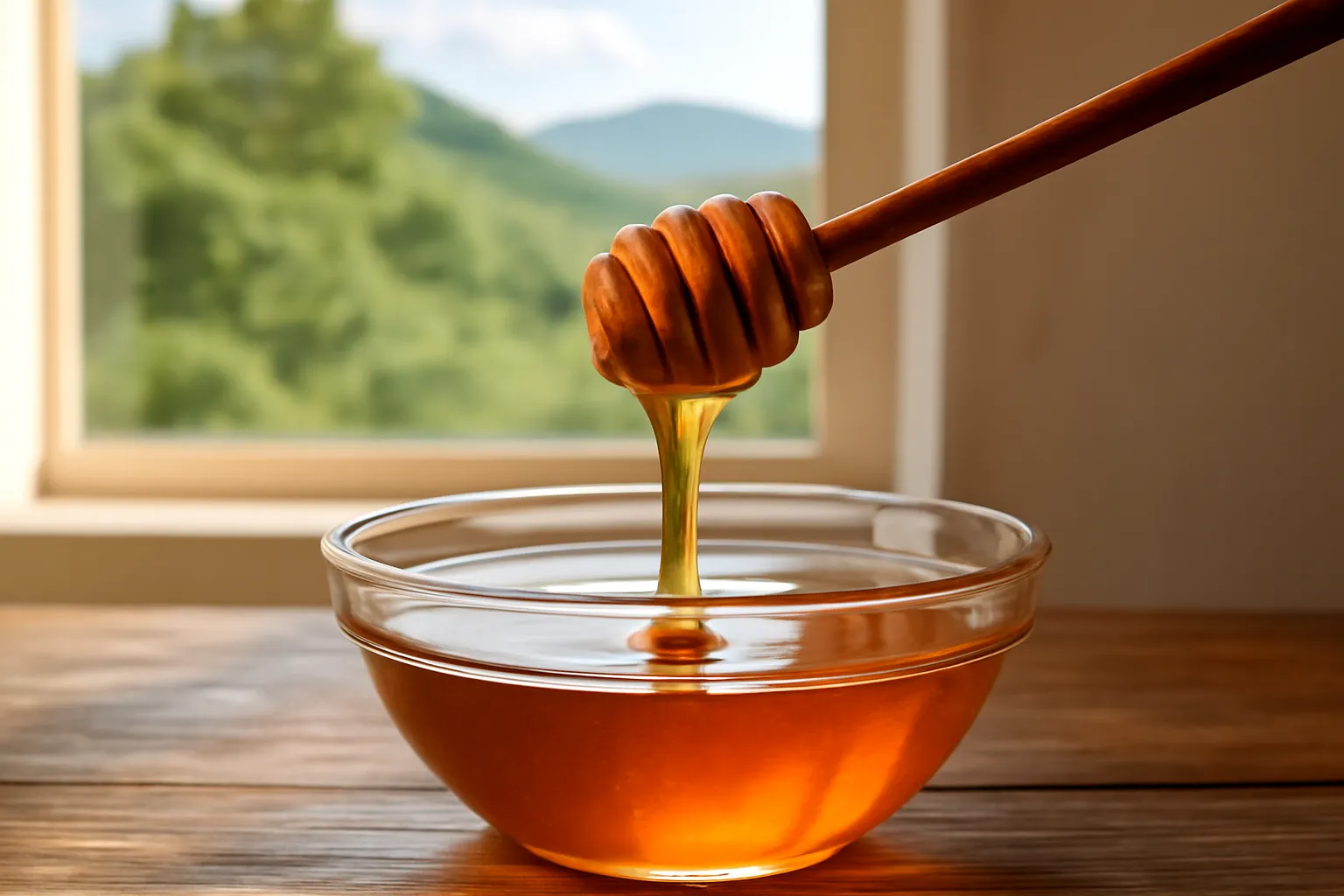
Raw unprocessed stingless bee honey: what "raw" really means
Raw stingless bee honey is honey drained from the wax pots, strained and bottled without heating, drying or blending. In Vietnamese the word for it is
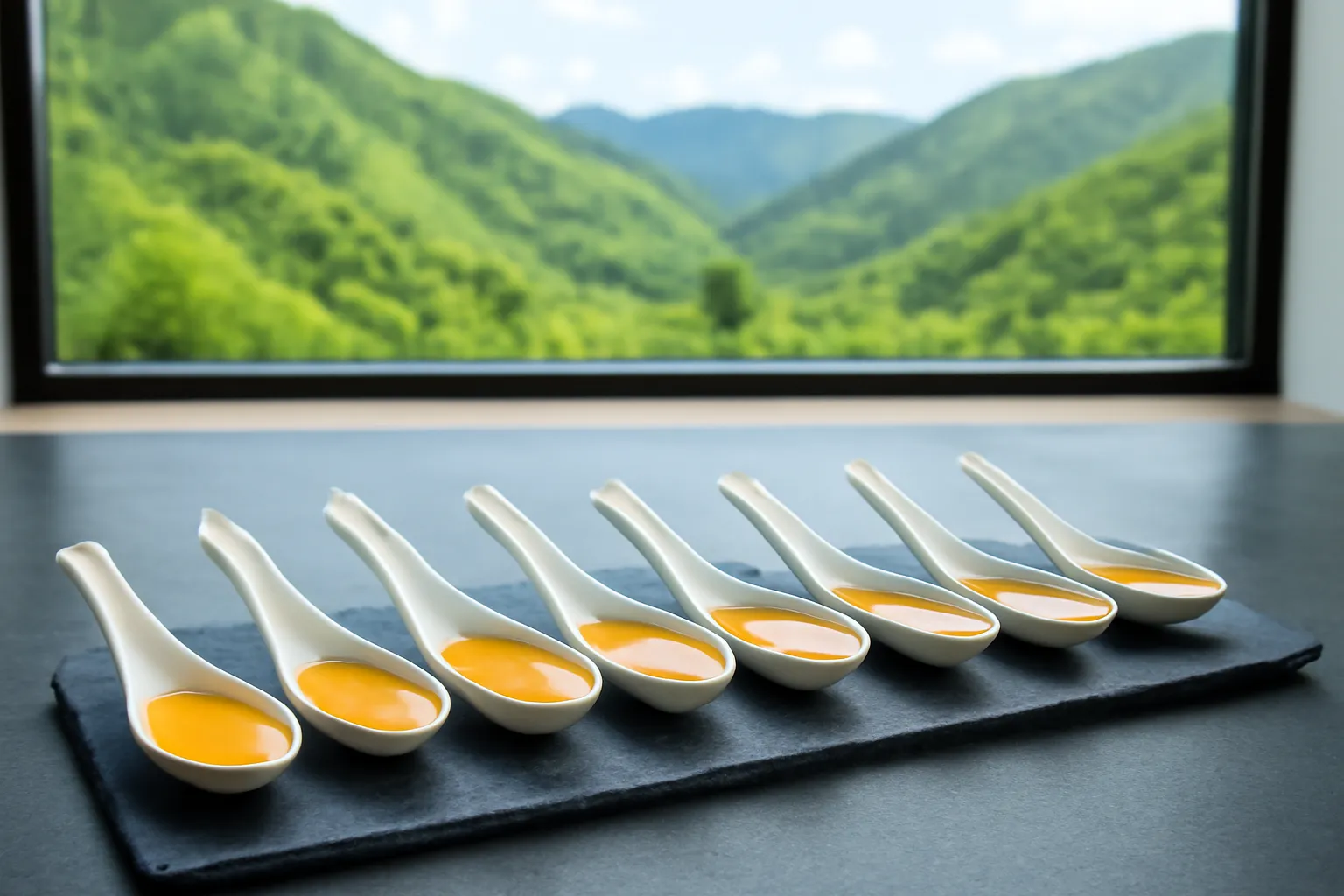
Forest stingless bee honey taste: highland flavour notes
Highland stingless bee honey tastes tart first, then sweet, with herbal, woody or resin notes from forest and coffee garden forage. It is usually shar
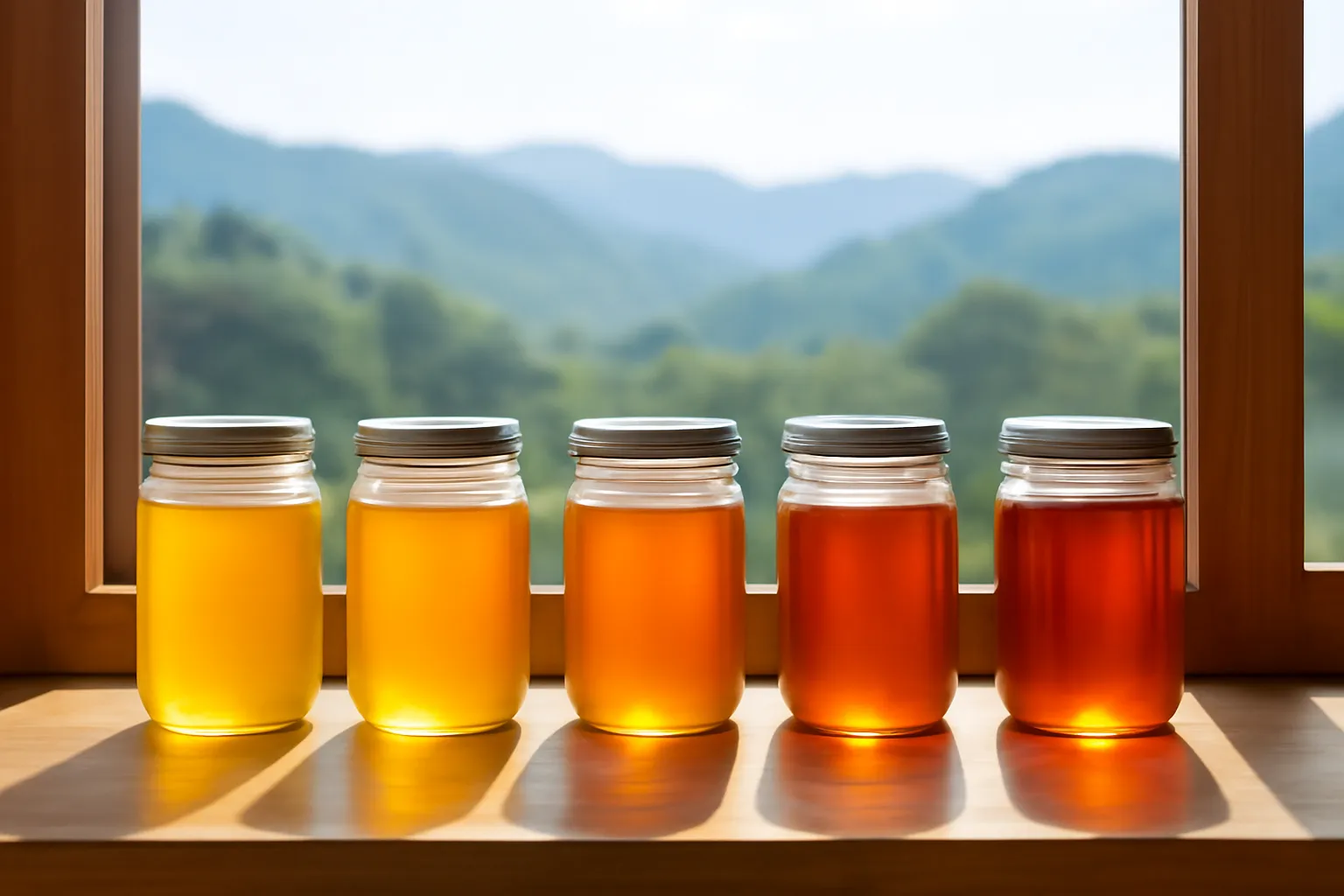
Stingless bee honey colour: why one jar is pale, the next dark
Stingless bee honey changes colour because of the flowers the bees fed on, the season, the resin of the pots and how long the honey was stored. Colour
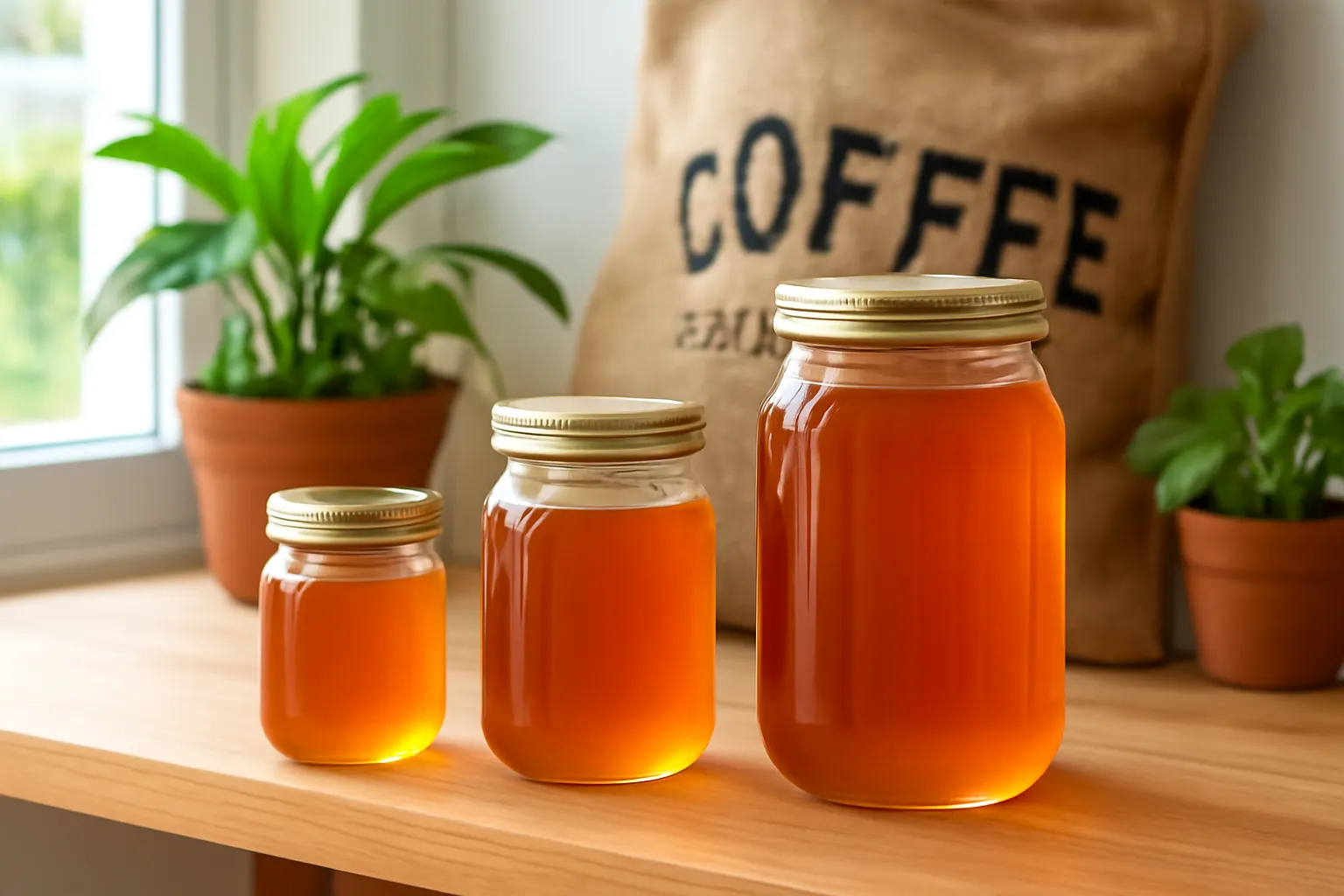
Buy stingless bee honey in Vietnam: unblended highland jars
You can buy unblended highland stingless bee honey from Ong Moc (MoraBee) in Ta Dung, Lam Dong, in 100 ml, 200 ml and 500 ml jars at 290.000₫, 580.000

Stingless bee honey in coffee: pairing it with Vietnamese coffee
Stingless bee honey works well in iced black Vietnamese coffee and in light tea, where its tartness brightens the drink. Add it after brewing and go e
 ›
×
›
×

MoraBee is the international name of Ong Moc, a stingless bee farm in Ta Dung, Lam Dong, among forest and coffee gardens: unblended honey in clean jars, starter colonies, and farm visits.
Vietnamese stingless bee honey from the highlands
A brand by Tên Miền Đẳng Cấp
© 2026 MoraBee. All rights reserved. · Copyright · OD-3864-C503