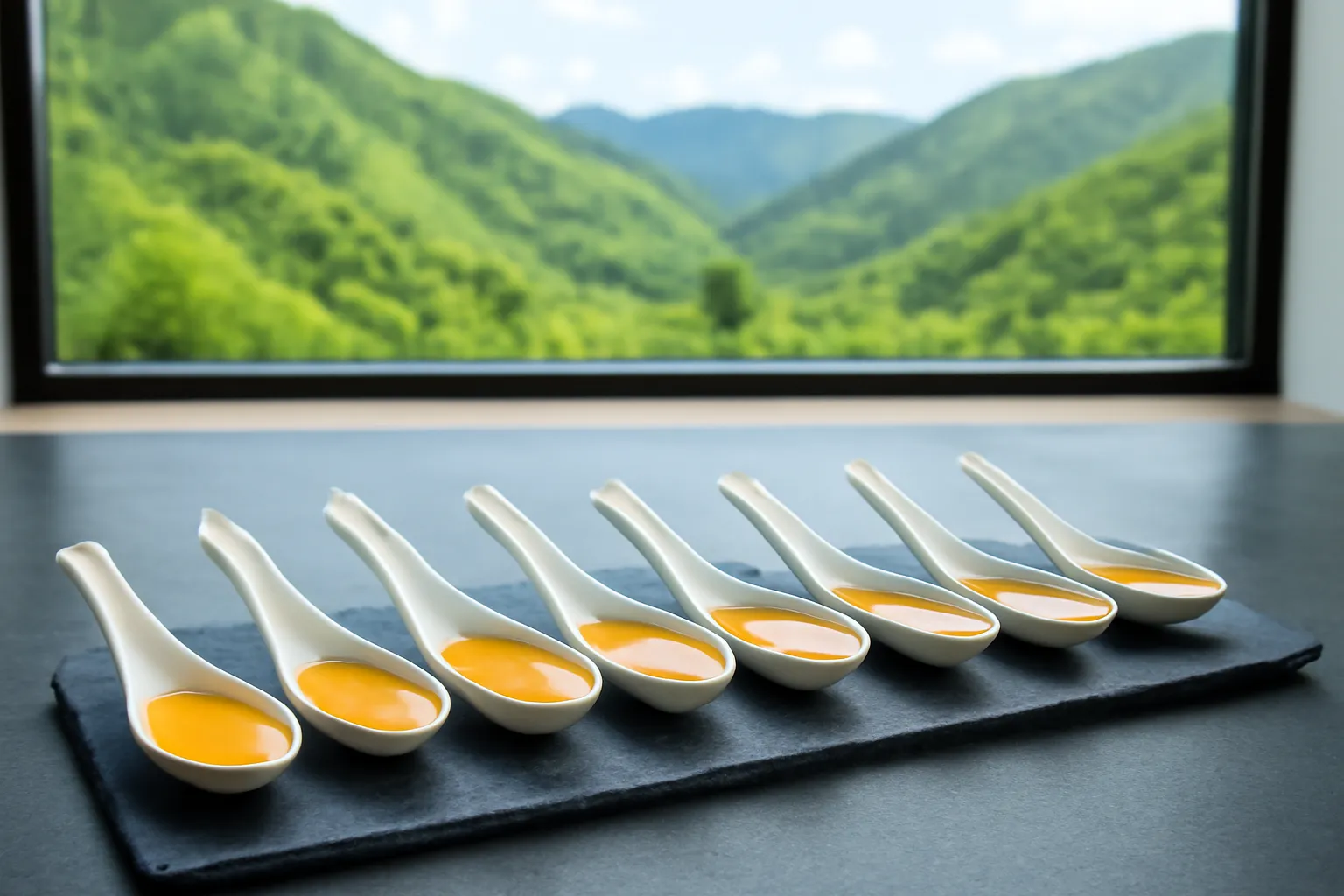
Forest stingless bee honey taste: highland flavour notes
Forest stingless bee honey from the highlands tastes tart before it tastes sweet. The first impression is a bright sourness, a bit like green fruit or a squeeze of lime, followed by a lighter sweetness and a finish that can be herbal, woody or faintly resinous. It is runny, it fills the mouth quickly, and it does not leave the heavy, cloying feeling of thick honey.
That is the short answer. The longer one depends on where the bees fed, what season it was and how fresh the jar is. This guide walks through the flavours you are likely to meet in honey from forest edges and coffee gardens around Ta Dung, why they appear, and how to taste a spoonful so you actually notice them.
Why stingless bee honey tastes sour in the first place
Most people's idea of honey comes from the honey bee: thick, golden, uniformly sweet. Stingless bees, the small dark bees of the tribe Meliponini, make something else. They store their honey in pots made of cerumen, a blend of wax and plant resin, and the honey stays in contact with that resin for weeks.
The honey also holds more water and goes through a gentle natural fermentation inside the pots. Together these give the acidity people notice first. It is not a sign that the honey has gone off; it is the character of the honey as the bees make it.
The resin pots add their own layer. Resin collected from trees carries aromatic compounds, and a little of that aroma passes into the honey. This is where the woody, sometimes slightly medicinal or pine-like note comes from in some batches. Honey from colonies with access to many resinous trees can carry more of it.
So when you taste stingless bee honey, you are tasting three things at once: the nectar the bees gathered, the resin of the pot it sat in, and the slow change that happened during storage. Forage changes the first, the trees nearby shape the second, and time and temperature drive the third.
Flavour notes you may find in highland forest honey
Bright sourness. The first taste for almost everyone. In highland honey it often reads like green apple or young tamarind rather than citrus.
A clean, light sweetness. The sweetness arrives second and fades quickly. It is less heavy than the sweetness of honey bee honey.
Herbal, green notes. Forest understorey plants and wild shrubs can give a grassy, leafy freshness, a bit like crushed herbs.
Woody or resin notes. A faint taste of timber or tree sap that comes from the cerumen pots and resinous trees around the hive.
Floral lift after coffee blossom. When colonies forage heavily on coffee flowers, the honey can carry a soft white-flower scent. Some batches show it clearly, others barely.
A slight bitterness at the end. Some forest batches finish with a gentle bitter edge, similar to the skin of a fruit. It balances the sourness.
Fizz in older jars. A light prickle on the tongue means mild fermentation has continued in the jar. It changes the taste toward cider-like.
A savoury depth. Darker batches can feel almost savoury, which is why some cooks like them in dressings.
Very little aftertaste of sugar. Unlike thick honey, highland stingless bee honey rarely leaves the mouth coated or sticky.
Variation between colonies. Two hives side by side can make noticeably different honey, because each colony chooses its own forage and its own resin.
Variation between harvests. The same colony gives different flavours in the dry season and around the start of the rains.
What you should not taste. Burnt caramel, a flat syrupy sweetness or a strong smell of alcohol all suggest heating, blending or spoilage.
How highland honey compares with lowland orchard honey
Vietnam has stingless bees from the Mekong Delta to the Central Highlands, and the honey changes with the landscape. In the southern lowlands many colonies feed in fruit orchards and gardens. That honey is often lighter in colour, fruitier and gentler in its sourness.
In the highlands the picture is different. The air is cooler, the rainy season is long and the forage is a mix of forest trees, wild shrubs and coffee gardens. Honey from this kind of landscape tends to be sharper, more herbal and more resinous, and it more often takes on a darker shade.
These are tendencies, not rules. A lowland colony beside a patch of old trees can make woody honey, and a highland colony in the middle of a coffee estate in full flower can make something soft and floral. Place shapes taste, but each colony makes its own choices.
It is also worth saying that one is not better than the other. People who like bright, fruity flavours often prefer lowland honey; people who drink tea without sugar or enjoy bitter greens often warm to the forest kind. The fun is in tasting both side by side.
How to taste stingless bee honey properly
Taste it at room temperature. Straight from the fridge the flavours are muted. Leave a spoonful out for a few minutes first.
Use a clean, plain spoon. A metal spoon is fine; a wooden one works too. Avoid spoons that smell of washing liquid.
Start with a small amount. Half a teaspoon is enough. A big mouthful of something this tart can overwhelm.
Let it sit on the tongue. Do not swallow straight away. Notice the sour hit, then the sweetness, then whatever comes last.
Breathe out through the nose. Much of the herbal and woody character is aroma, and you catch it best as you exhale.
Rinse with plain water between batches. If you are comparing jars, a sip of water resets the palate.
Compare light and dark side by side. Two jars of different colour from the same area show how much forage and season matter.
Try it on plain food. A little honey on plain yogurt or a slice of unsweetened bread shows its character better than on sweet desserts.
Write down what you notice. Simple words are enough: sour, green, woody, floral. After a few jars you will recognise patterns.
Do not judge by the first taste alone. The sourness surprises many people. The second spoonful usually tastes more balanced.
Keep babies out of the tasting. Children under one year old must not be given honey. For any health question, ask a doctor rather than a honey seller.
How the highland seasons shift the flavour
The dry season sets the base. Roughly from the end of the year to the first rains, days are clear and bees fly widely. Honey from this stretch is often the most concentrated in taste.
Coffee blossom brings a short floral window. Coffee in the highlands flowers in bursts after watering or early rain, usually within the dry months. Honey gathered then can lean floral and softer.
Forest bloom adds herbal and woody tones. Wild trees and shrubs at the forest edge flower at different times, so their mark on the honey is spread out and less predictable.
The start of the rains changes things fast. When rain returns, flying hours shrink and nectar thins out. Honey from this time may be lighter in body and sharper.
Deep rainy season means little new honey. In long wet weeks colonies mostly live on stores. Good keepers do not harvest then, so there is little rainy-season honey to taste.
Cold mornings slow the bees down. Highland mornings can be cool enough that bees start late. That affects how much they collect, not just what.
Pot age matters as much as month. Honey that sat longer in the pots before harvest tends to taste more sour and more resinous.
Exact timing differs every year. Rain arrives early in some years and late in others, so flavour does not follow a fixed calendar.
A harvest note helps. When a jar is labelled with its harvest time, you can start linking taste to season yourself.
Do not expect identical jars across a year. A farm that does not blend will sell honey that tastes different in spring and in autumn.
Season is a story, not a grade. A floral batch and a woody batch are both proper highland honey; they simply record different weeks of the bees' work.
Frequently asked questions
Is stingless bee honey supposed to be sour?
Yes. Tartness is its normal character, coming from the resin pots, its water content and gentle natural fermentation in the nest. A stingless bee honey with no sourness at all has often been heated or blended.
Why does some stingless bee honey taste like wood or resin?
The bees store honey in pots made from wax mixed with plant resin. Some of the resin's aroma passes into the honey, especially where colonies collect from resinous forest trees.
Does coffee blossom honey taste like coffee?
No. Coffee flowers are white and scented, so honey from that forage can carry a soft floral note. It does not taste of roasted coffee beans.
Why does my jar taste different from the last one?
Each harvest reflects different flowers, a different season and a different colony. Unblended honey changes from batch to batch, and that variation is expected.
Is a fizzy taste in stingless bee honey normal?
A light prickle can happen as the honey slowly ferments, especially if it was kept warm. If it smells strongly of alcohol or unpleasant, stop using it.
What is the best food to taste it with?
Something plain and not too sweet, such as unsweetened yogurt, fresh cheese or plain bread. Strong desserts hide the tart and herbal notes.
Written by the team behind a working stingless bee farm about 40 km from Ho Chi Minh City, Vietnam. Articles come from day-to-day work at the farm; technical figures are stated as ranges, not promises.
About the team →
Raw unprocessed stingless bee honey: what "raw" really means
Raw stingless bee honey is honey drained from the wax pots, strained and bottled without heating, drying or blending. In Vietnamese the word for it is
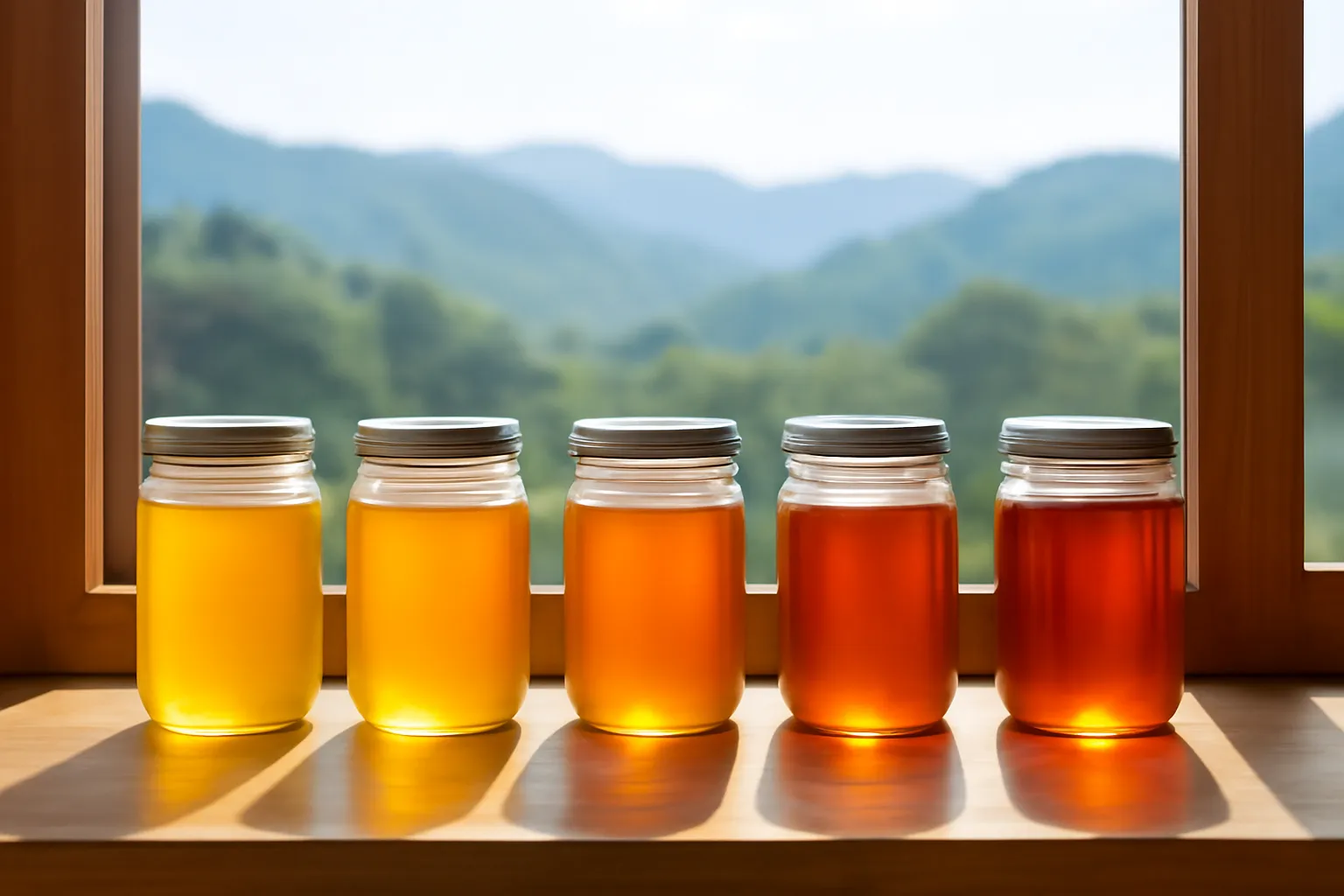
Stingless bee honey colour: why one jar is pale, the next dark
Stingless bee honey changes colour because of the flowers the bees fed on, the season, the resin of the pots and how long the honey was stored. Colour
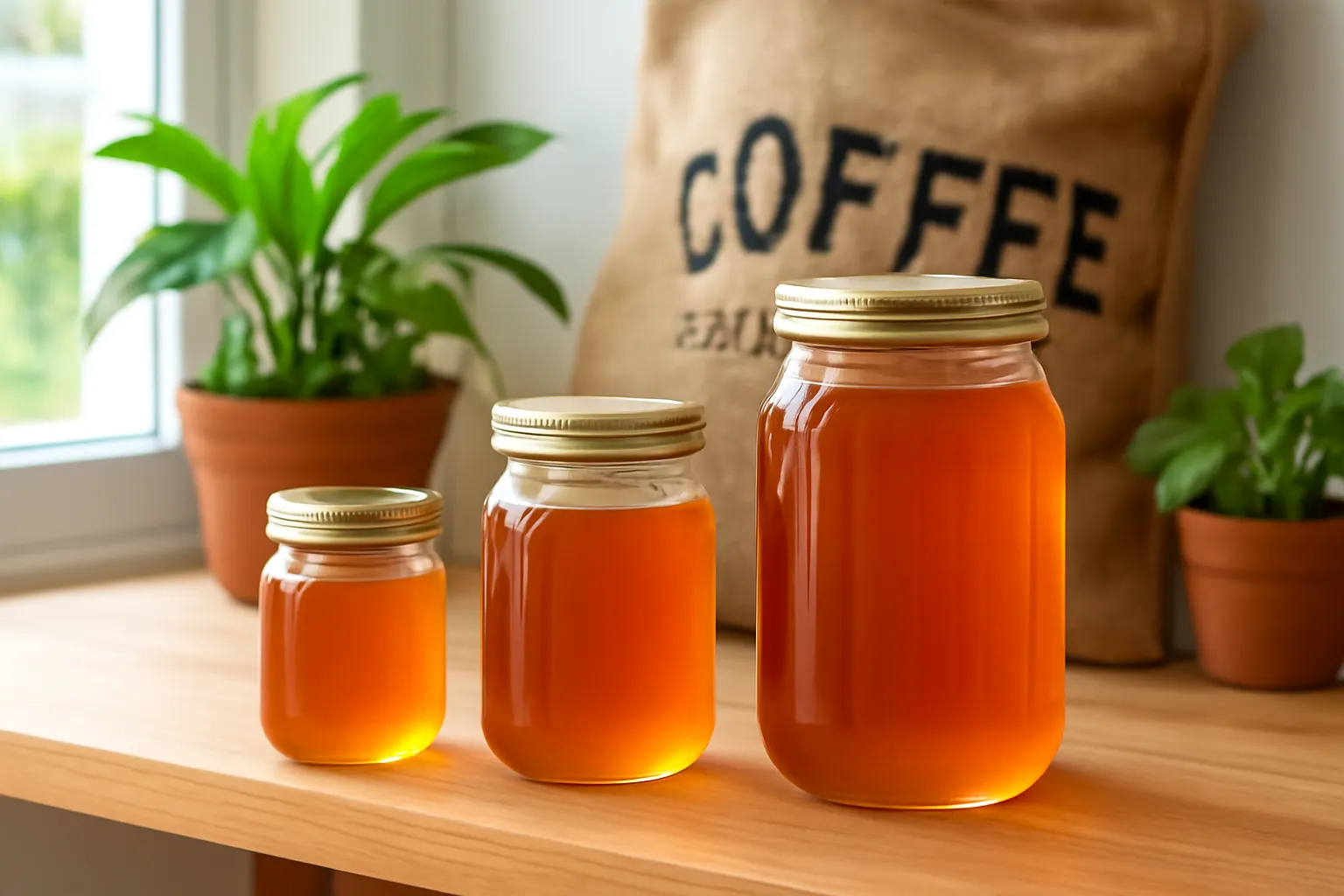
Buy stingless bee honey in Vietnam: unblended highland jars
You can buy unblended highland stingless bee honey from Ong Moc (MoraBee) in Ta Dung, Lam Dong, in 100 ml, 200 ml and 500 ml jars at 290.000₫, 580.000
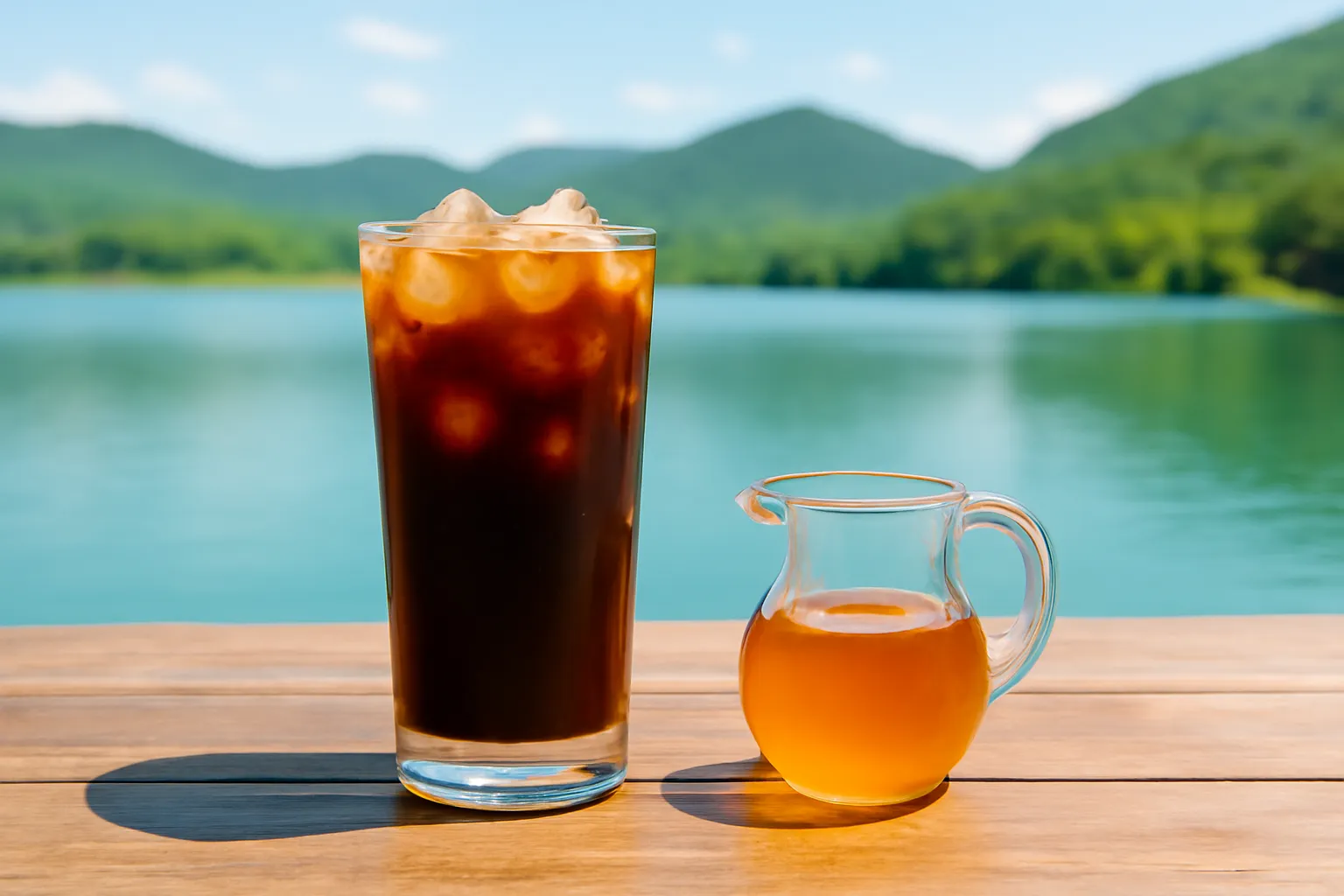
Stingless bee honey in coffee: pairing it with Vietnamese coffee
Stingless bee honey works well in iced black Vietnamese coffee and in light tea, where its tartness brightens the drink. Add it after brewing and go e
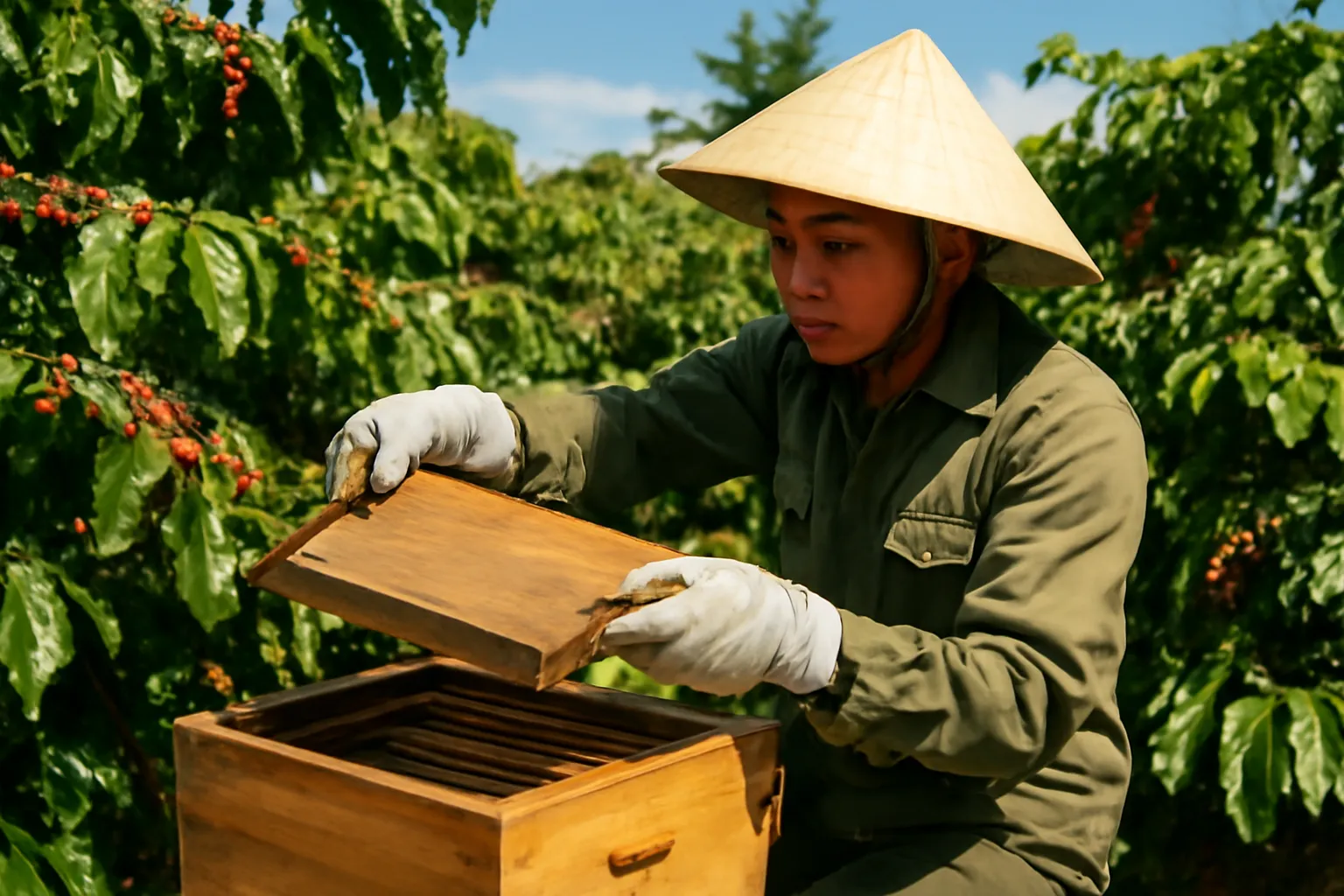
Best time to harvest stingless bee honey in the highlands
In the highlands the best time to harvest stingless bee honey is on dry, bright days after a strong bloom and before the long rains, taking only seale
 ›
×
›
×

MoraBee is the international name of Ong Moc, a stingless bee farm in Ta Dung, Lam Dong, among forest and coffee gardens: unblended honey in clean jars, starter colonies, and farm visits.
Vietnamese stingless bee honey from the highlands
A brand by Tên Miền Đẳng Cấp
© 2026 MoraBee. All rights reserved. · Copyright · OD-3864-C503