
Stingless bee honey in coffee: pairing it with Vietnamese coffee
Stingless bee honey goes best with iced black Vietnamese coffee and with light tea. Its tart, slightly herbal taste lifts the bitterness of strong robusta and gives the drink a fresh edge that white sugar does not. Stir it in after the coffee has dripped and cooled a little, start with a small spoon, and be careful with milk: the honey's sourness does not always sit well with it.
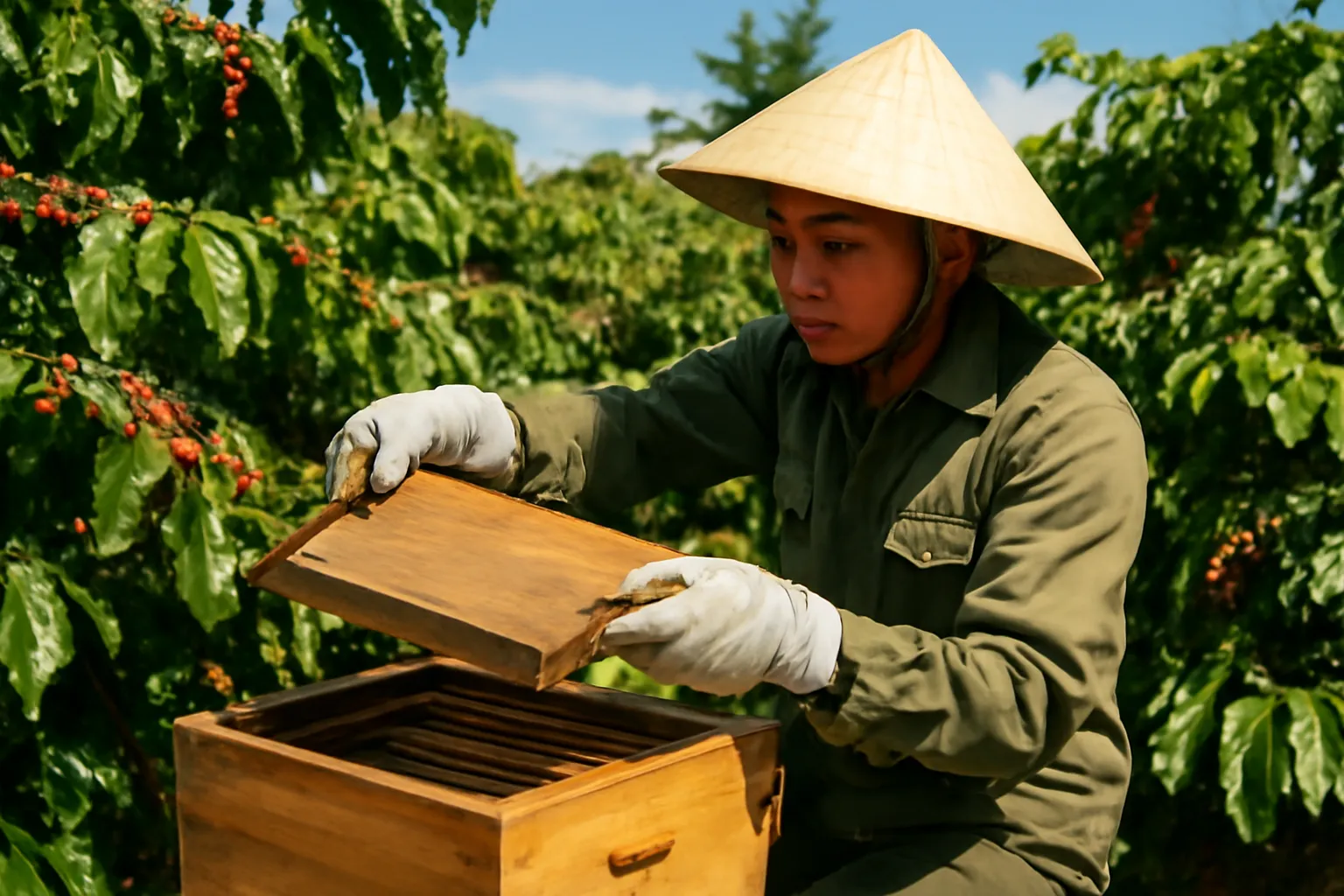
In the highlands around Ta Dung, coffee gardens and stingless bee hives often share the same hillsides, so putting the two together feels natural. But this honey is not a drop-in replacement for sugar or condensed milk. Here is how it behaves in the drinks people actually make in Vietnam, and where it shines or falls flat.
Why stingless bee honey behaves differently in a cup
Most honey people use in drinks is thick and simply sweet. Stingless bee honey, made by the small dark bees of the tribe Meliponini, is runny and tart. It dissolves almost instantly even in cold drinks, which is a real advantage for iced coffee, where thick honey tends to sink and clump.
Its sweetness is also lighter. To get the same sweetness as a spoon of sugar you may need more honey than you expect, and by then the sour note becomes noticeable. Many people end up liking a drink that is less sweet and more lively rather than chasing the sugar level they are used to.
The flavour of raw honey is easily dulled by heat. Pouring it into a cup of very hot coffee straight from the filter flattens the bright, tart edge that makes it worth using. Letting the coffee cool for a minute, or adding the honey over ice, keeps more of the taste.
Vietnamese coffee itself is strong. Robusta, grown widely in the Central Highlands, is bitter and full-bodied. That bitterness is a good match for sourness, in the same way that a slice of lemon can work in a cold black tea. The pairing makes sense on the tongue, not just on a postcard.
Drinks where it works well
Iced black coffee. Drip the coffee through a phin filter, let it cool briefly, stir in honey, then pour over ice. The honey dissolves cleanly and brightens the bitterness.
Cold brew. A smooth cold brew with a spoon of stingless bee honey becomes fruitier and less heavy. No heat means none of the honey's taste is lost.
Coffee with soda water. A shot of strong coffee, ice, sparkling water and honey gives a light, tart drink for hot afternoons.
Green tea. Light green tea, cooled to warm rather than hot, takes honey well. The herbal notes of forest honey match the leaf.
Oolong and highland teas. Lam Dong is tea country as well as coffee country. A gently roasted oolong with a little honey is balanced and soft.
Iced lemon tea. Here the tartness of the honey and the lemon support each other. Use less lemon than usual.
Ginger drinks. Warm, not boiling, ginger water with honey is a common home drink. Add the honey last.
Coffee tonic style. Tonic water, ice, coffee and a little honey suit people who enjoy bitter, bright flavours.
Plain warm water. A simple glass of warm water with honey shows the taste of a batch more clearly than any other drink.
Iced fruit teas. Passion fruit or kumquat drinks pair naturally with tart honey.
Coffee for guests who avoid white sugar. Offering honey as a sweetener is a nice alternative; just say it will taste a little sour.
Where the tartness can clash
Hot milk. Acidic honey added to hot milk can sometimes cause the milk to split slightly. Add honey to warm, not hot, milk drinks and stir gently.
Condensed milk coffee. Classic iced coffee with condensed milk is already very sweet and creamy. Adding honey on top rarely improves it.
Very milky lattes. The honey's sour note can taste out of place against lots of milk. Try it in a stronger, less milky cup first.
Egg coffee made the traditional way. The whipped topping relies on sugar and condensed milk for its texture. Honey can replace a little of the sweetness, but replacing all of it changes the foam.
Boiling-hot drinks. Heat dulls the flavour, so you pay for a honey you can barely taste.
Already sour drinks. Very tart juices plus tart honey can be too much. Taste before adding a second spoon.
Flavoured syrups. Vanilla or caramel syrups cover the honey completely. Use one or the other.
Darker roasts with burnt notes. Very dark roasts can make the honey taste oddly metallic to some people. Medium roasts are friendlier.
Big batches made in advance. Honey in coffee left standing for hours can start to taste flat or slightly fermented. Mix fresh.
Expecting sugar-level sweetness. If you want a very sweet coffee, sugar or condensed milk is simply the better tool.
Serving small children. Coffee is not for small children anyway, and children under one year old must not have honey at all.
A simple highland iced coffee with honey
Here is a simple way to try it. Brew a strong cup of coffee with a phin filter, the small metal drip filter used across Vietnam. Medium-roasted robusta or a robusta and arabica mix both work. Let it drip fully.
While it is still warm but no longer steaming, stir in one teaspoon of stingless bee honey. Taste. If you want it sweeter, add half a teaspoon more, not a whole spoon at once, because the sourness grows faster than the sweetness.
Fill a tall glass with ice and pour the coffee over it. Stir once more. The drink should taste bitter first, then bright, with only a light sweetness at the end. Some people like a thin slice of lime on the rim; others find that too much.
If you prefer milk, add a splash of cold fresh milk after the ice rather than condensed milk, and keep the honey to a small amount. That way the honey and milk meet cold, and the cup stays smooth.
It is a drink rather than a remedy. We do not make health claims about honey in coffee; if you are watching sugar for medical reasons, talk to your doctor about what suits you.
Small tips that make a difference
Measure with a dry spoon. A wet spoon dipped back into the jar adds water and speeds fermentation.
Keep the honey jar out of the steam. Do not leave it open next to the kettle or espresso machine.
Pre-mix for iced drinks. Stirring honey into a little warm coffee before adding ice spreads it more evenly.
Use a light hand at first. Start with one teaspoon per glass and adjust.
Match honey to roast. Paler, floral batches suit lighter coffee; darker, woody batches stand up to stronger cups.
Try honey in the coffee, not on top. Drizzling it on ice cubes looks nice but it sinks and pools.
Serve honey on the side for guests. A small jug lets each person choose.
Store the jar in the fridge afterwards. Raw stingless bee honey keeps its taste best cold.
Do not cook it into syrup. Boiling honey with water to make a coffee syrup destroys what makes it special.
Write down combinations you like. Coffee, honey batch and ratio; it is easy to forget what worked.
Respect the coffee. Good coffee from the highlands does not need much. Honey should add a note, not cover the cup.
Frequently asked questions
Can you put stingless bee honey in hot coffee?
You can, but very hot coffee dulls the honey's tart, fresh taste. Let the coffee cool slightly or add the honey to iced coffee to keep more of the flavour.
Does stingless bee honey go with milk coffee?
It can, but its sourness sometimes clashes with lots of milk, and in hot milk it may cause slight splitting. A small amount in a strong coffee with a splash of cold milk works best.
How much stingless bee honey should I put in iced coffee?
Start with about one teaspoon per glass and taste. It is less sweet than sugar, and adding more quickly makes the drink sour rather than sweeter.
Is stingless bee honey a healthier coffee sweetener?
We do not make health claims about honey. It is a food with a different taste from sugar. If you are watching sugar for medical reasons, ask your doctor.
Can I use stingless bee honey in egg coffee?
It can replace a little of the sugar for a lighter, tart note, but the whipped topping depends on sugar and condensed milk for its texture. Replacing all of it changes the foam.
Which tea goes best with stingless bee honey?
Light green tea and gently roasted oolong, served warm rather than hot, pair well with forest honey. Iced lemon or fruit teas also suit its tartness.
Written by the team behind a working stingless bee farm about 40 km from Ho Chi Minh City, Vietnam. Articles come from day-to-day work at the farm; technical figures are stated as ranges, not promises.
About the team →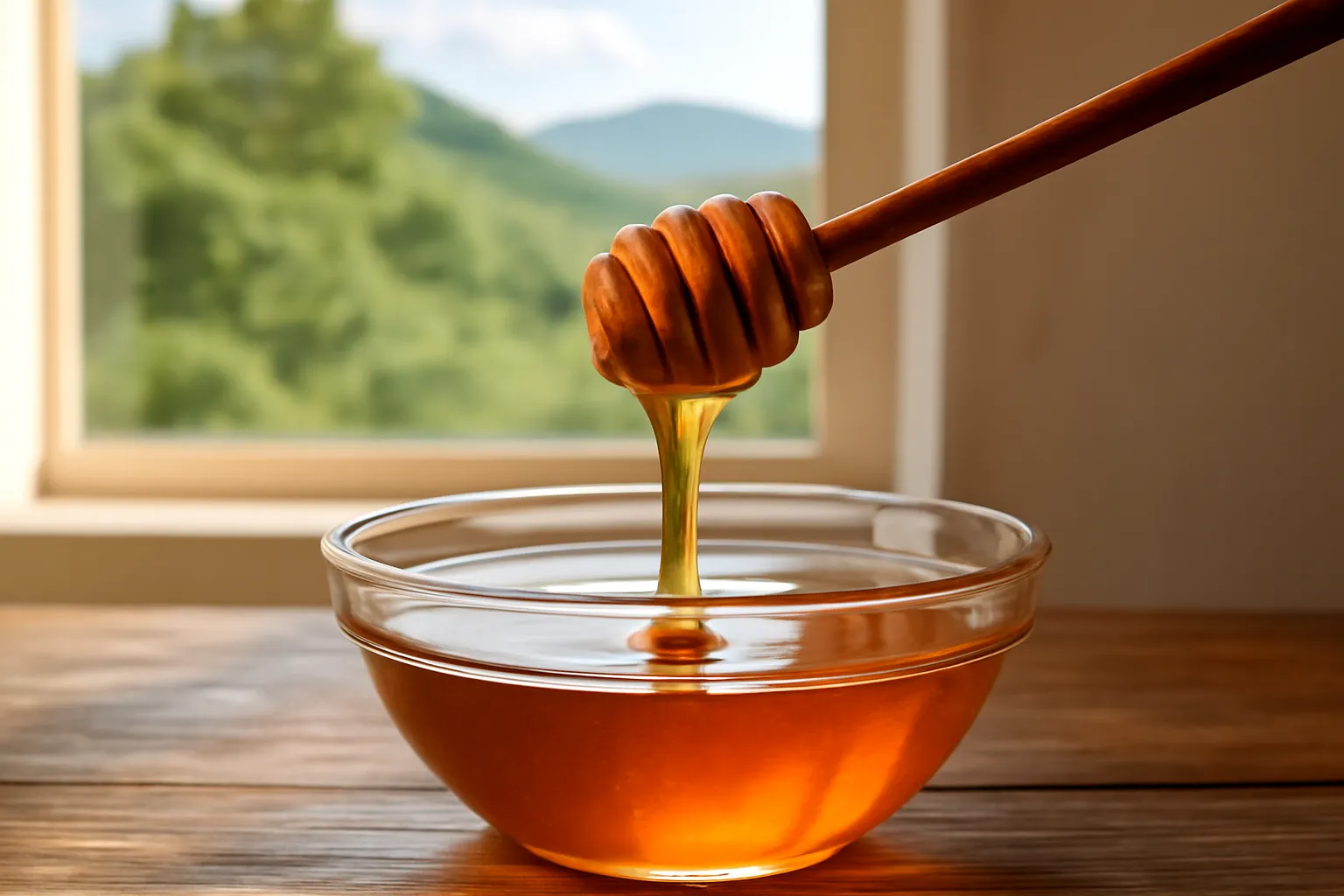
Raw unprocessed stingless bee honey: what "raw" really means
Raw stingless bee honey is honey drained from the wax pots, strained and bottled without heating, drying or blending. In Vietnamese the word for it is
Forest stingless bee honey taste: highland flavour notes
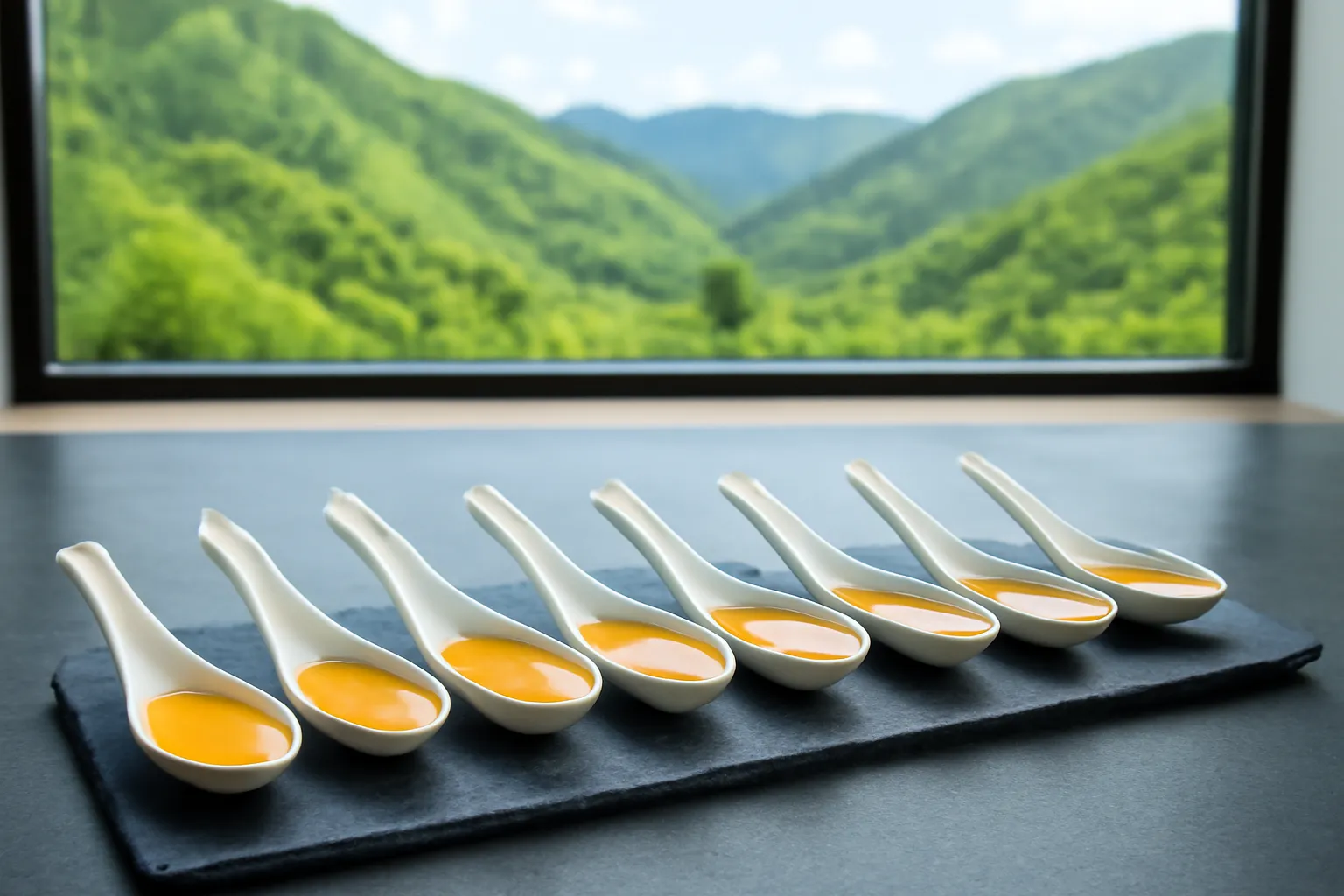
Highland stingless bee honey tastes tart first, then sweet, with herbal, woody or resin notes from forest and coffee garden forage. It is usually shar
Stingless bee honey colour: why one jar is pale, the next dark
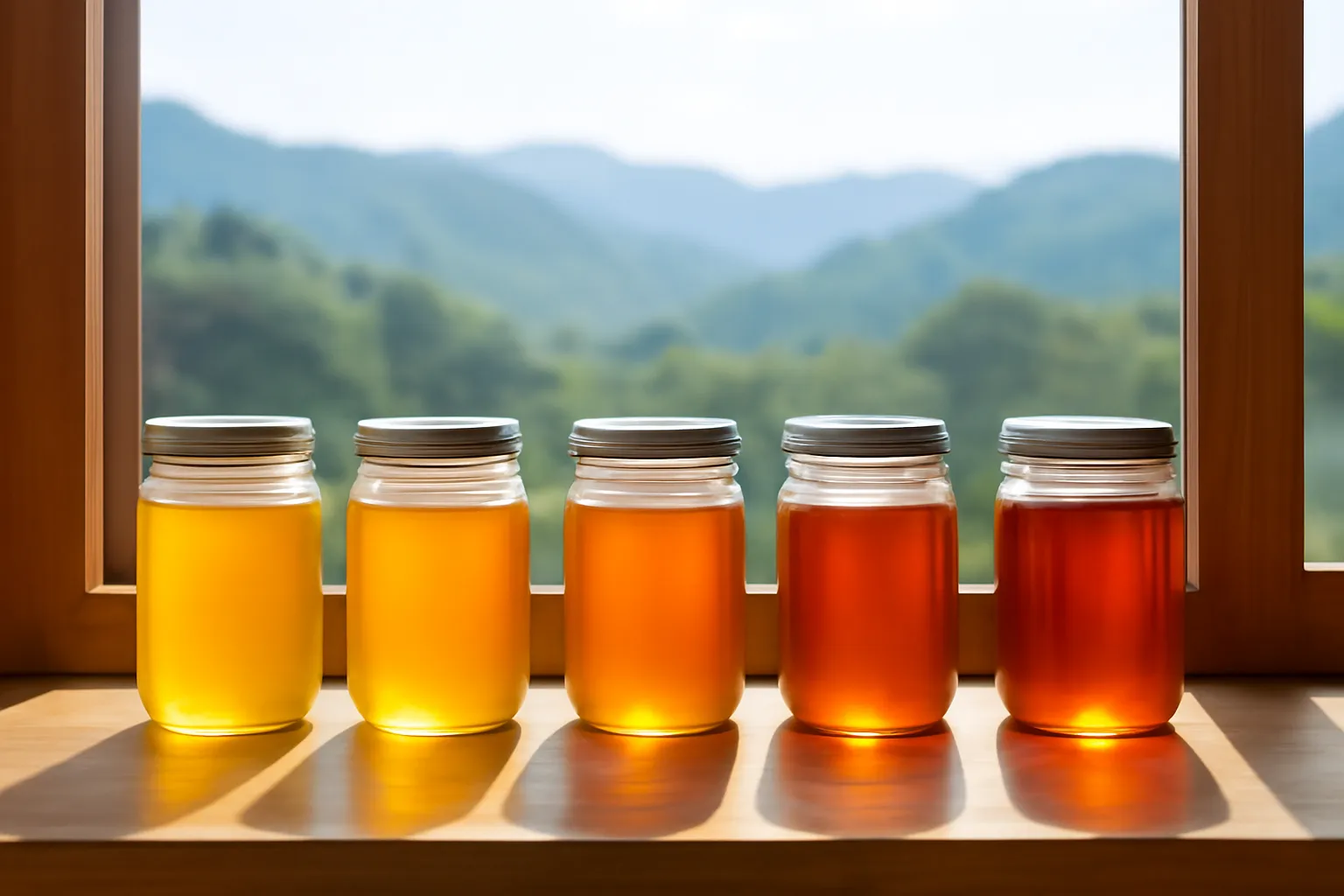
Stingless bee honey changes colour because of the flowers the bees fed on, the season, the resin of the pots and how long the honey was stored. Colour
Buy stingless bee honey in Vietnam: unblended highland jars
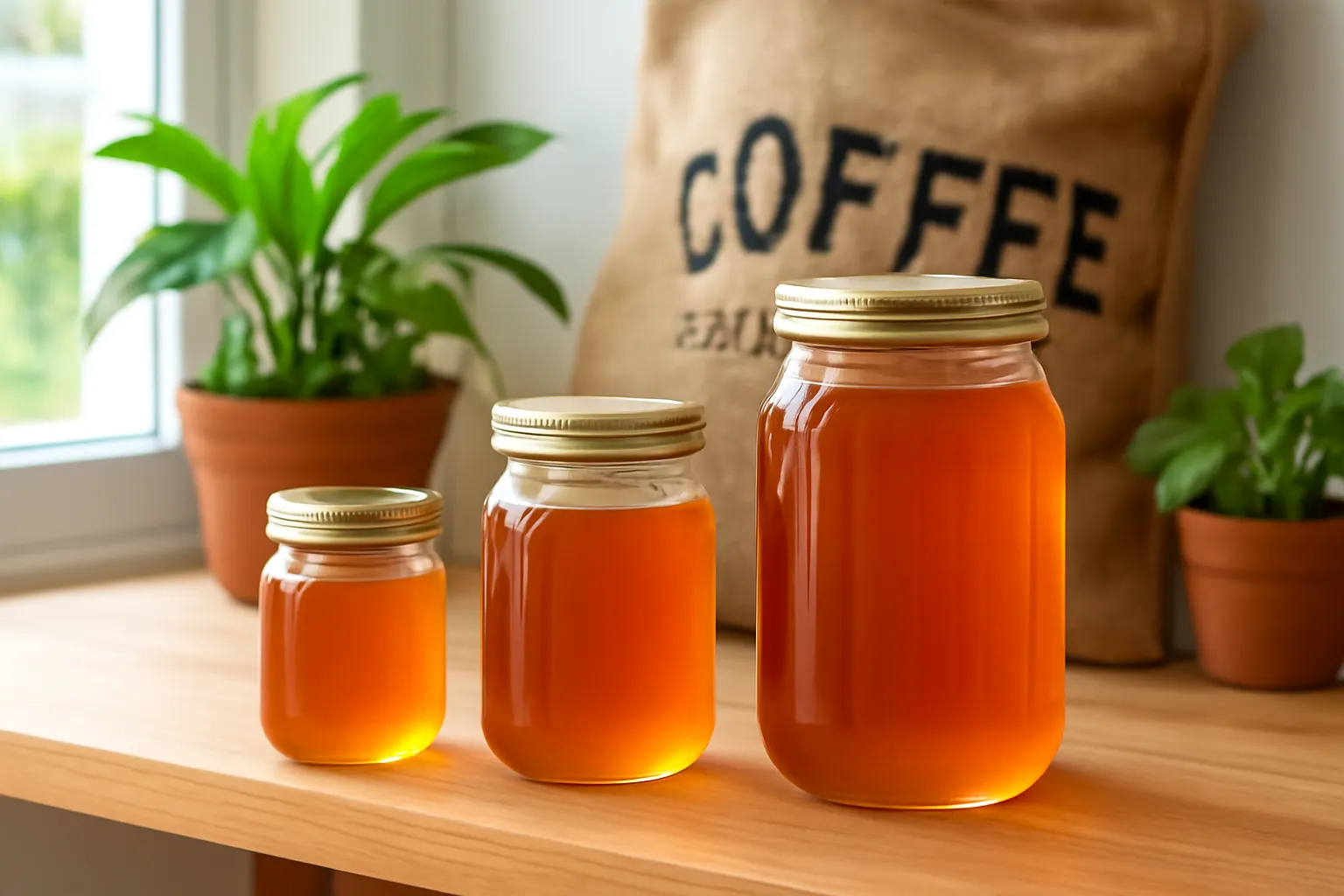
You can buy unblended highland stingless bee honey from Ong Moc (MoraBee) in Ta Dung, Lam Dong, in 100 ml, 200 ml and 500 ml jars at 290.000₫, 580.000
Best time to harvest stingless bee honey in the highlands
In the highlands the best time to harvest stingless bee honey is on dry, bright days after a strong bloom and before the long rains, taking only seale
 ›
×
›
×

MoraBee is the international name of Ong Moc, a stingless bee farm in Ta Dung, Lam Dong, among forest and coffee gardens: unblended honey in clean jars, starter colonies, and farm visits.
Vietnamese stingless bee honey from the highlands
A brand by Tên Miền Đẳng Cấp
© 2026 MoraBee. All rights reserved. · Copyright · OD-3864-C503