Why Not Take a Wild Stingless Bee Colony From the Forest
You should not take a wild stingless bee colony from the forest because doing so usually means cutting into or felling a living tree, the colony often dies within weeks of the move, and the forest loses a nest it cannot quickly replace. Colonies propagated from existing boxes give a keeper bees without any of that damage.
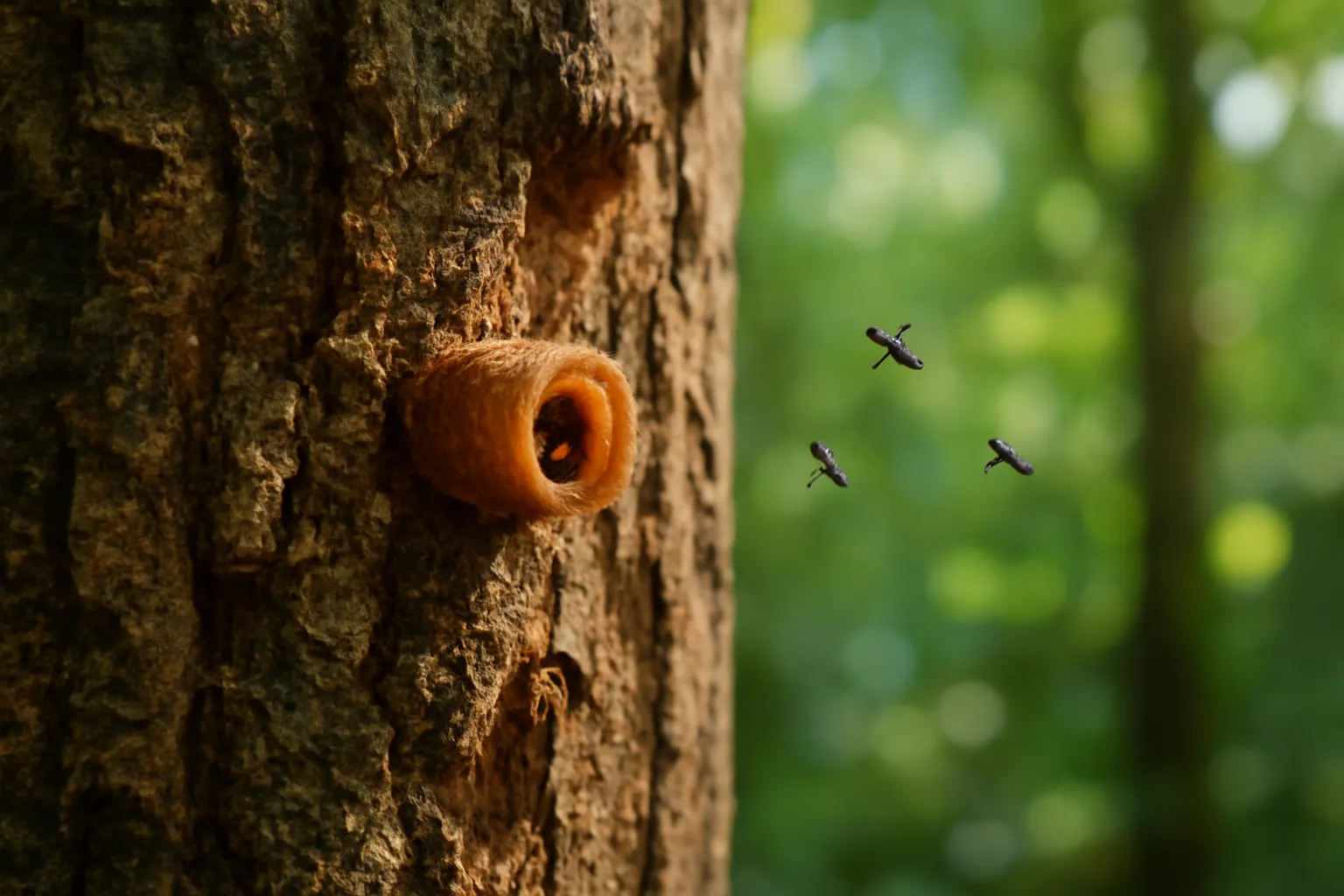
In the highlands around Ta Dung, wild nests of ong dú (stingless bees) live in hollow trunks, old branches and sometimes rock crevices. Walk long enough at the forest edge and you may notice a small resin tube poking out of a tree. This article explains why we leave those tubes alone, and what to do instead.
What a wild nest really is
A wild stingless bee nest is not a hive sitting inside a tree; it is built into the tree. The colony chooses a cavity, often one that took the tree decades to form as heartwood rotted away, and lines it with batumen, a hard layer of resin and wax that seals the hollow from rain and intruders. Inside sit the brood cluster and the honey and pollen pots, all moulded to the shape of that particular hollow.
Because the nest is shaped to the cavity, there is no clean way to lift it out. Getting to it means sawing the trunk above and below, or splitting it open. The brood is crushed, pots burst, and honey runs over everything. The bees that survive are packed into a box together with broken pieces of their home and asked to start over.
Stingless bees also cannot do what honey bees do when their home is destroyed. A honey bee swarm can fly off with its queen and settle somewhere new within a day or two. A stingless bee queen, once she is mated and laying, becomes too heavy to fly. If she is injured or lost in the cutting, the colony has to raise a new queen from young brood that may itself have been damaged.
For all these reasons, many colonies taken from trees look busy for a week or two and then fade. The entrance gets quieter, small flies appear, and one morning there is nothing left but an empty box that smells of fermented honey.
What is lost when a wild colony is taken
The tree is damaged or killed. Cutting out a section of trunk wounds a living tree, and felling it ends it. Old hollow trees are precisely the ones that take longest to replace.
The cavity is gone for good. Wild colonies depend on hollows. Every hollow destroyed is one fewer place where a future colony could have settled.
The colony often does not survive. Broken brood, a damaged queen and a sticky mess inside the box are a hard start, and many transfers fail.
Pollination at the forest edge drops. A wild colony works the flowers around it every day. Removing it takes that work away from the trees, shrubs and nearby gardens.
The local population shrinks. Wild colonies are the reservoir that all kept colonies ultimately came from. Each one taken makes the remaining population smaller.
Pests get a feast. Spilled honey and crushed brood attract ants and phorid flies (small scuttling flies that lay eggs in damaged nests), which can then move on to other colonies.
Other animals lose a food source. Some birds, lizards and insects live alongside or feed around bee nests. Their place in the forest is disturbed too.
The rules may be broken. Many forests in the highlands are protected, and cutting trees or taking animals from them can be against the law. The details vary by area, so the safe assumption is that you need permission and almost certainly will not get it for this.
Local trust suffers. In highland villages people often know where wild nests are. Outsiders cutting them out is noticed and remembered.
It sets a poor example. If buyers ask for colonies “from the forest” because they sound more natural, more trees get cut to meet the demand.
It is simply unnecessary. Propagated colonies already exist in boxes on farms. The bees are the same kind; only the damage is missing.
What propagated colonies offer instead
A propagated colony is made by splitting a strong colony that already lives in a box. The keeper divides the brood and food between two boxes, making sure one side has the queen and the other has young brood from which the bees can raise a new queen. Done at the right season and with patience, both halves rebuild and the keeper ends up with two colonies where there was one.
Nothing is cut from the forest in this process. The wild nests stay where they are, the trees keep standing, and the kept colonies are grown out of each other rather than taken. Over time a farm can supply new keepers from its own boxes without drawing on wild colonies at all.
For the buyer, a propagated colony has practical advantages too. It has a whole, undamaged brood cluster, an established queen or a clear path to a new one, and it is already used to living in a box that can be opened and inspected. It is also sold by someone who can tell you its history, which a log cut from a tree cannot.
Splitting is not risk free, and we are not pretending otherwise. A split made too early, or in a lean month, can leave both halves weak. That is part of why keepers who split colonies tend to take the timing seriously, and why we prefer to tell buyers when a colony was last split.
If you do find a wild nest
Leave it where it is. Enjoy it, photograph it from a distance, and walk on. The colony is doing exactly what it should.
Do not block or poke the entrance tube. The soft resin tube is the colony’s front door and its defence. Damaging it lets pests in.
Keep children from pulling at it. Stingless bees will not sting, but disturbing the entrance can bring out biting guards and hurt the nest.
Do not burn or smoke the tree. Smoke and fire are sometimes used to drive bees out for honey. That kills the colony and can start a forest fire.
Do not harvest honey from it. Breaking into the cavity for a few spoonfuls destroys far more than it gains, and leaves the colony open to flies.
Mark it in your memory, not on the tree. Nails, paint and ribbons damage bark and draw attention from people who may not share your view.
If a tree has already fallen, ask for help. Storms and land clearing sometimes bring down trees with nests inside. In that case an experienced local keeper may be able to rescue the colony, so seek one out rather than attempting it yourself.
Check who the land belongs to. Even a fallen tree may be on protected or private land. Ask the landowner or local authorities before anything is moved.
Share the location carefully. Telling a friend who will protect it is fine. Posting exact locations online can lead to the nest being taken.
Plant around the forest edge if you live nearby. Flowering shrubs and trees at the edge of your own land give wild colonies more forage and make them more likely to thrive.
Buy your own bees from a box, not a tree. If the nest has made you want to keep bees, the best tribute you can pay it is to start with a propagated colony.
Questions to ask a seller about where colonies come from
Was this colony split from one of your boxes? A straightforward yes, with a rough idea of when, is what you want to hear.
Can I see the parent colonies? A farm that propagates its own colonies will have rows of boxes. A seller with only one or two boxes and many to sell deserves more questions.
Why is the box shaped like a log? Some sellers cut a section of trunk and sell it whole. If what you are offered looks like a piece of tree, it probably was one.
Is there fresh saw dust or broken resin inside? Signs of recent cutting suggest a forest transfer, not a split.
How long has the colony been in this box? A colony that has lived in its box for some time is more settled and easier to judge.
Do you take colonies from the forest at all? Ask directly. Many keepers are happy to explain their practice, and the way they answer tells you a lot.
What happens to colonies that do not sell? Responsible sellers keep them as part of their own apiary, rather than releasing or abandoning them.
Can you show me the entrance working? Busy traffic with pollen coming in is the best sign that the colony is healthy, however it was made.
Will you take questions after I buy? A seller who stands behind a propagated colony will usually answer a message weeks later.
What is the species? A seller who knows whether the bees are Tetragonula or something else probably knows where they came from too.
Is “from the forest” being sold as a feature? If colonies are promoted as special because they were taken from old forest trees, that is demand you do not want to feed. Walk away politely.
Frequently asked questions
Is it illegal to take stingless bees from the forest in Vietnam?
Many forests are protected areas where cutting trees and removing animals is not allowed, and the exact rules vary by place. If you are not certain, assume you need permission and ask the local forest authority before touching anything.
Are wild colonies stronger than kept ones?
Not in any way that survives the move. A wild colony may be strong where it lives, but cutting it out breaks its nest, and it often arrives in the box weaker than a propagated colony.
Can a wild nest be moved without cutting the tree?
Rarely. The nest is built to fit the hollow and sealed into it, so there is usually no way to reach it without opening the trunk.
What should I do if I find a stingless bee nest in my house wall?
Leave it if you can live with it, since these bees do not sting. If it must go, ask an experienced keeper to look at it before anyone breaks into the wall.
How are propagated colonies made?
A keeper divides a strong boxed colony into two, sharing brood and food so both halves can rebuild. One half keeps the queen and the other raises a new one.
Written by the team behind a working stingless bee farm about 40 km from Ho Chi Minh City, Vietnam. Articles come from day-to-day work at the farm; technical figures are stated as ranges, not promises.
About the team →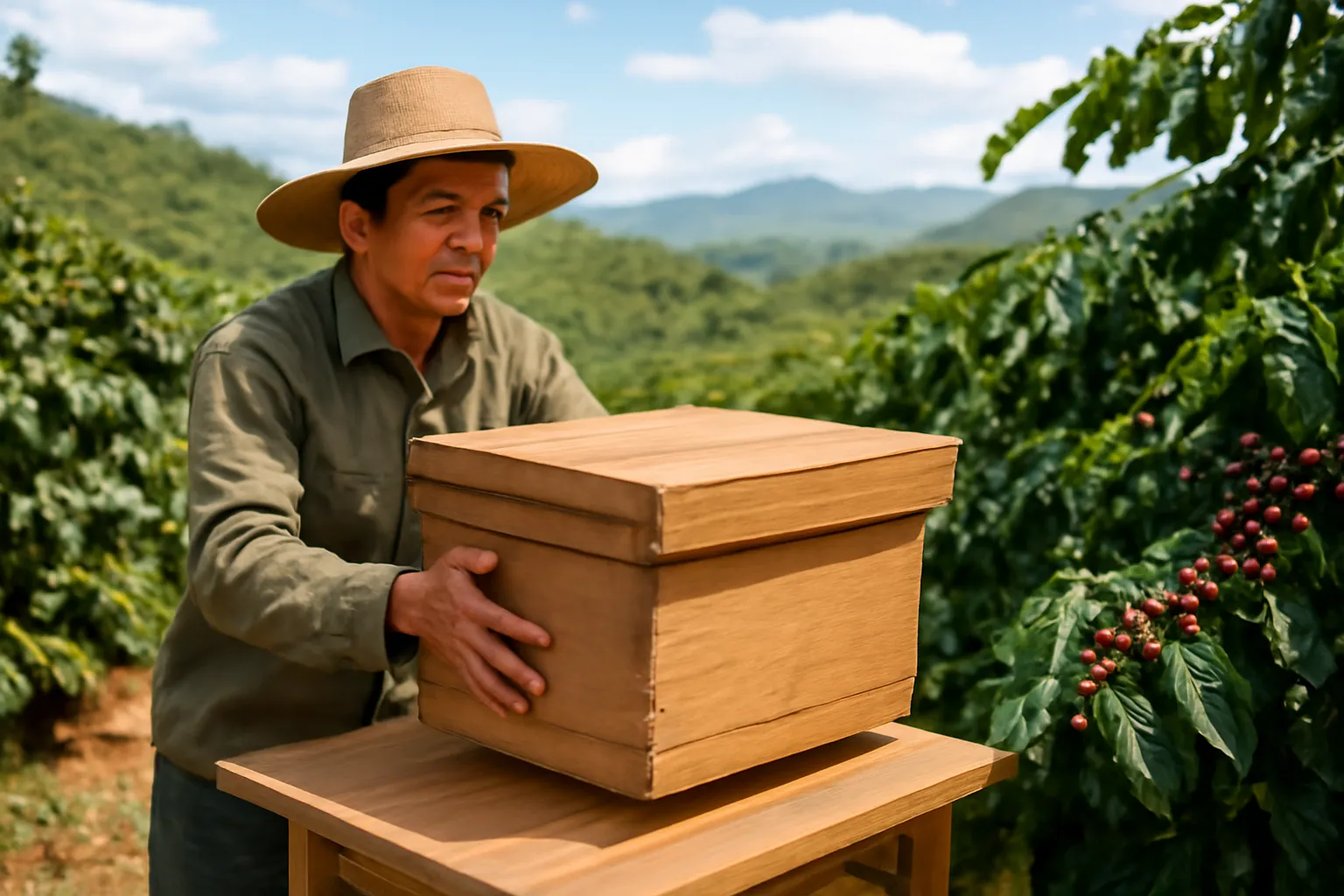
Buy a Stingless Bee Colony in Lam Dong: Price and Pickup
A starter stingless bee colony from Ong Moc, our farm in Ta Dung, Lam Dong, costs 2.900.000₫. You collect it in its closed box at the farm, ideally on
Can a Highland Stingless Bee Colony Live in the Lowlands?
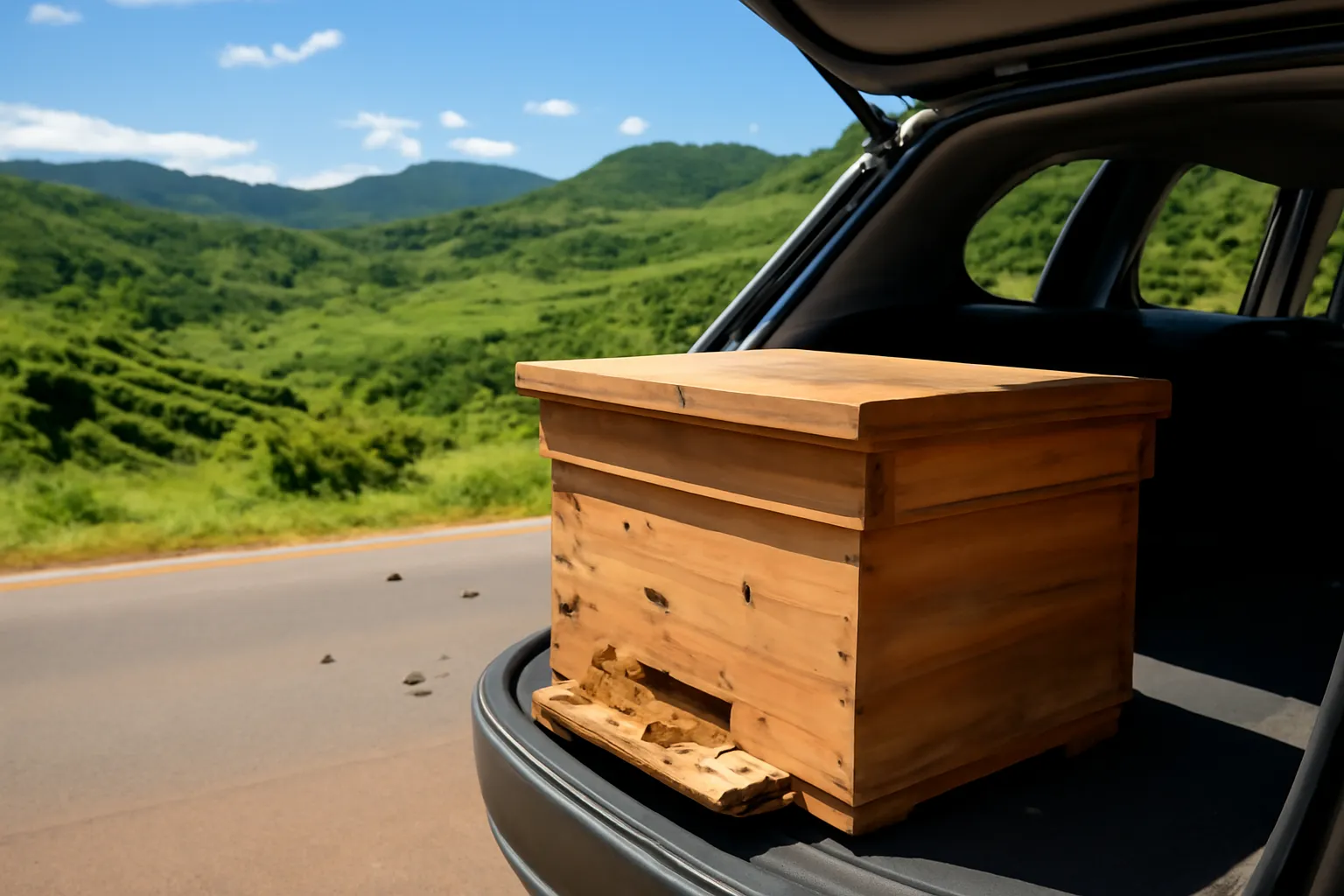
Yes, a stingless bee colony from the cool Lam Dong highlands can live in Saigon or on the coast, because the same kinds of bees also live in the lowla
Stingless Bees for a Coffee Farm: Is It Worth It?
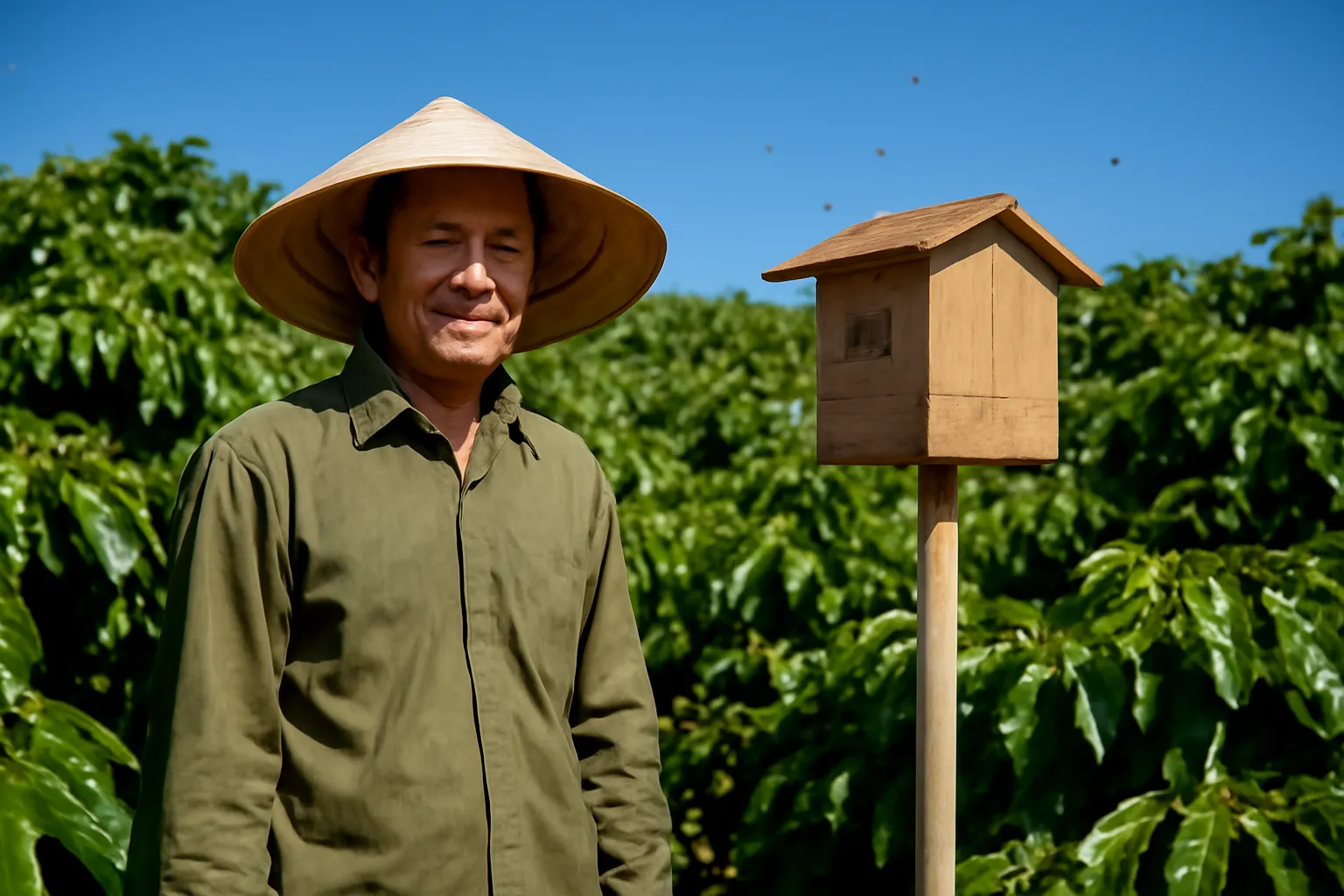
A few stingless bee colonies can sit happily on a coffee farm and work the blossom, but only if the farm’s spraying habits change to protect them. Whe
Lisotrigona: The Smallest Stingless Bee, Explained
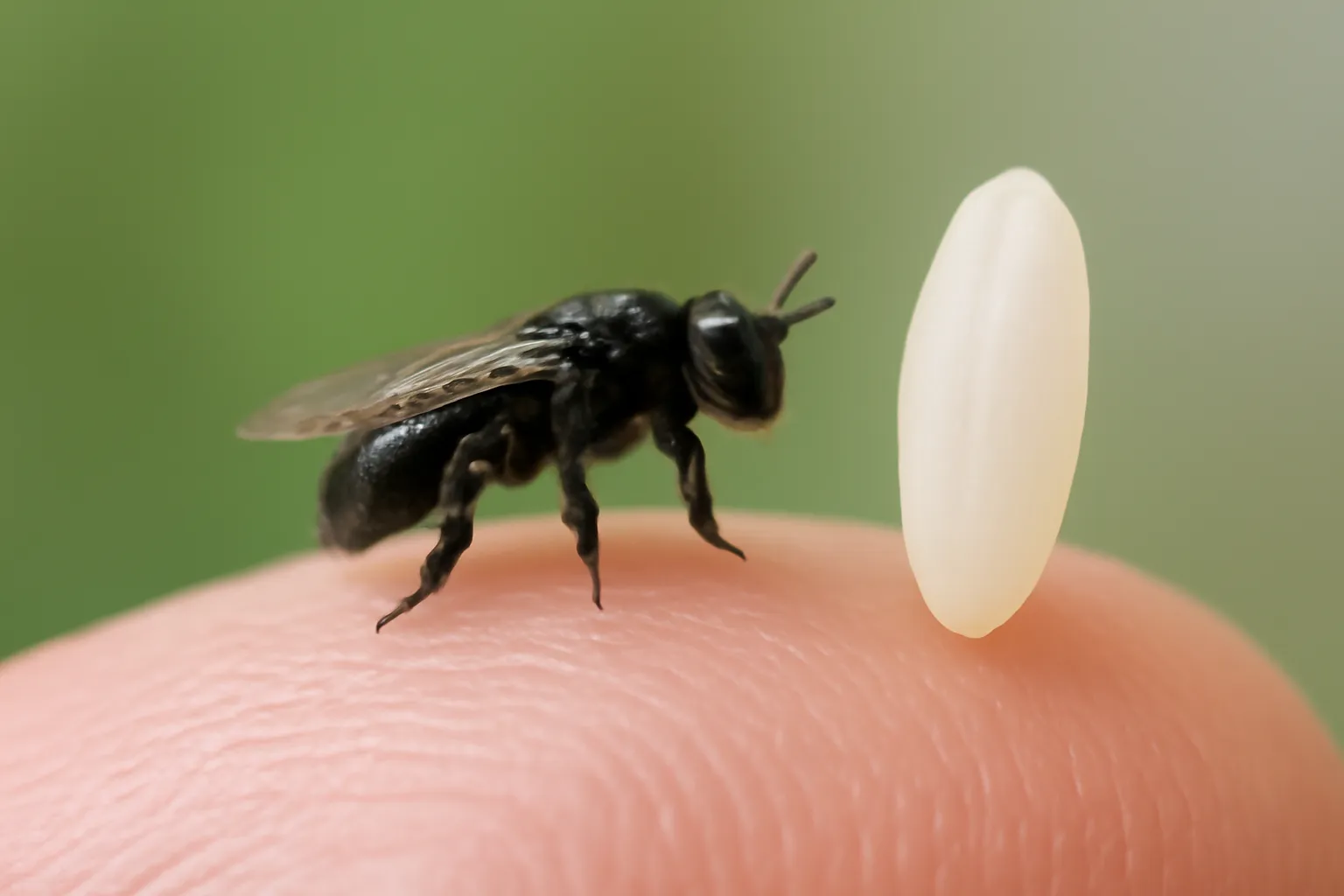
Lisotrigona is a genus of stingless bees so small that a worker is shorter than a grain of rice. They live in small colonies, store very little honey
Settling a Stingless Bee Colony in the Rainy Season
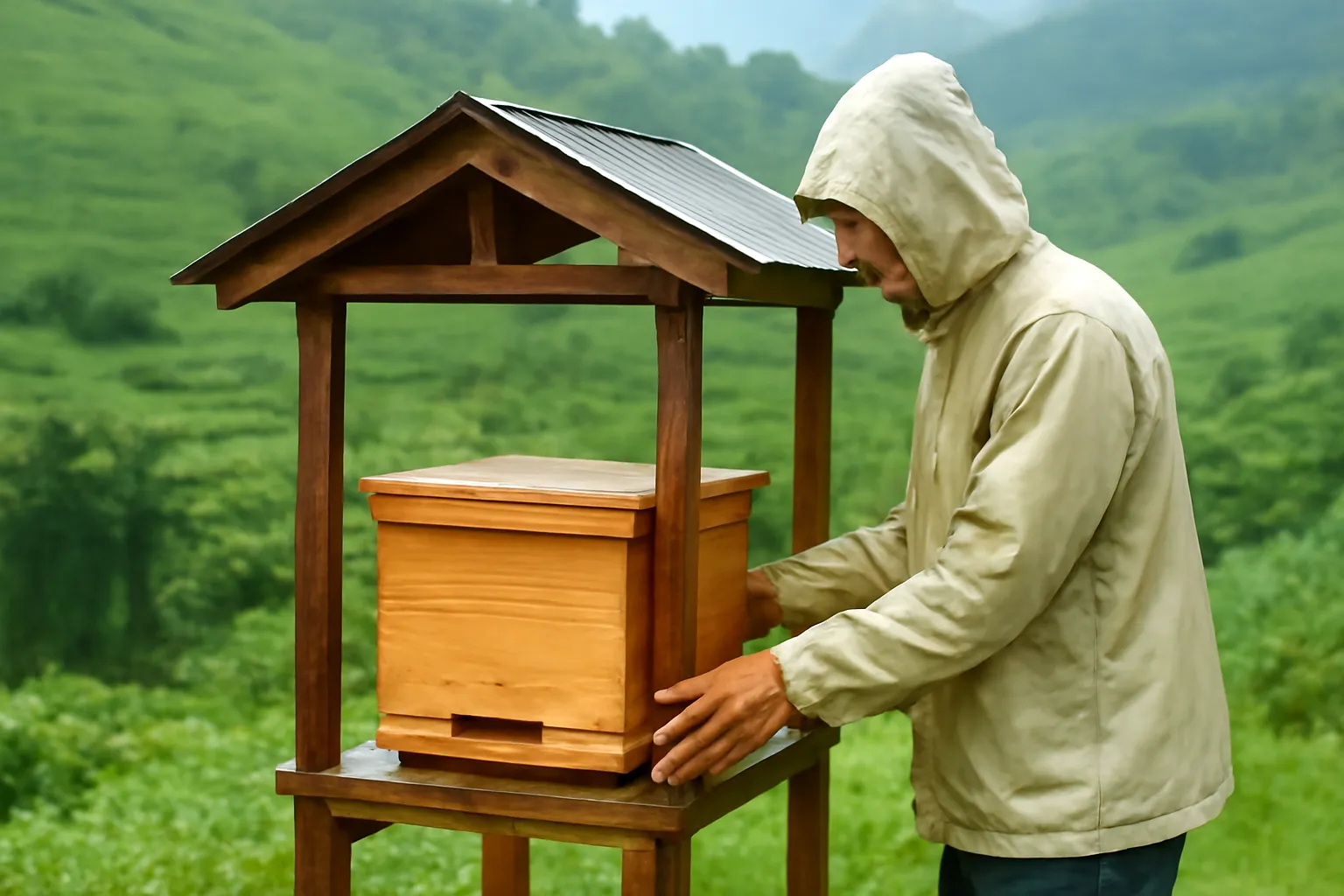
You can settle a new stingless bee colony during the rainy season, but the risks are real: a wet box, little forage and a colony living on its stores.
 ›
×
›
×

MoraBee is the international name of Ong Moc, a stingless bee farm in Ta Dung, Lam Dong, among forest and coffee gardens: unblended honey in clean jars, starter colonies, and farm visits.
Vietnamese stingless bee honey from the highlands
A brand by Tên Miền Đẳng Cấp
© 2026 MoraBee. All rights reserved. · Copyright · OD-3864-C503