Settling a Stingless Bee Colony in the Rainy Season
You can settle a stingless bee colony in the rainy season, and in the Lam Dong highlands, where the long rains cover a large part of the year, many people have no choice. The risks are a damp box, few flying days and a colony that eats into its stores, so the work is to keep the box dry, choose a dry spell for the move and then leave it closed.
This article walks through why the rains are hard on a new colony, how to choose and prepare a spot, how to time the installation between showers, and what to look for in the first fortnight. Much of it applies to the wet season anywhere in Vietnam, though the highlands add cold to the wet.
Why the rains are hard on a new colony
In Ta Dung the rainy season usually sets in around May and lasts into the later months of the year. It is not constant downpour; there are bright mornings, heavy afternoon storms and stretches of grey drizzle that can last for days. For a colony, what matters is the number of hours dry and warm enough to fly. In a long grey spell, that number can drop close to zero.
A colony that has just been moved has not yet learned the land around it. On the few good flying days it has to orient, find forage and bring it home. If those days are scarce, the colony lives on the honey and pollen it carried in its pots. A colony with good stores can wait out a wet spell; a colony that was split recently or arrived light may not.
Water is the second problem. Stingless bees seal their nest with resin and wax, and a dry box helps them do it. A box that leaks at the joints, sits in splash or has rain driven against its entrance stays damp inside. Dampness chills the brood, softens cerumen and encourages mould. Damp, damaged pots also attract phorid flies, small flies that lay eggs in a weak nest and can overwhelm it.
The move itself adds a third risk. Carrying a box on wet, winding roads means bumps, and bumps can crack honey pots. In dry weather a cracked pot is a sticky inconvenience; in wet weather, with the colony shut in and flies about, it can be the start of a collapse.
Choosing and preparing a dry spot
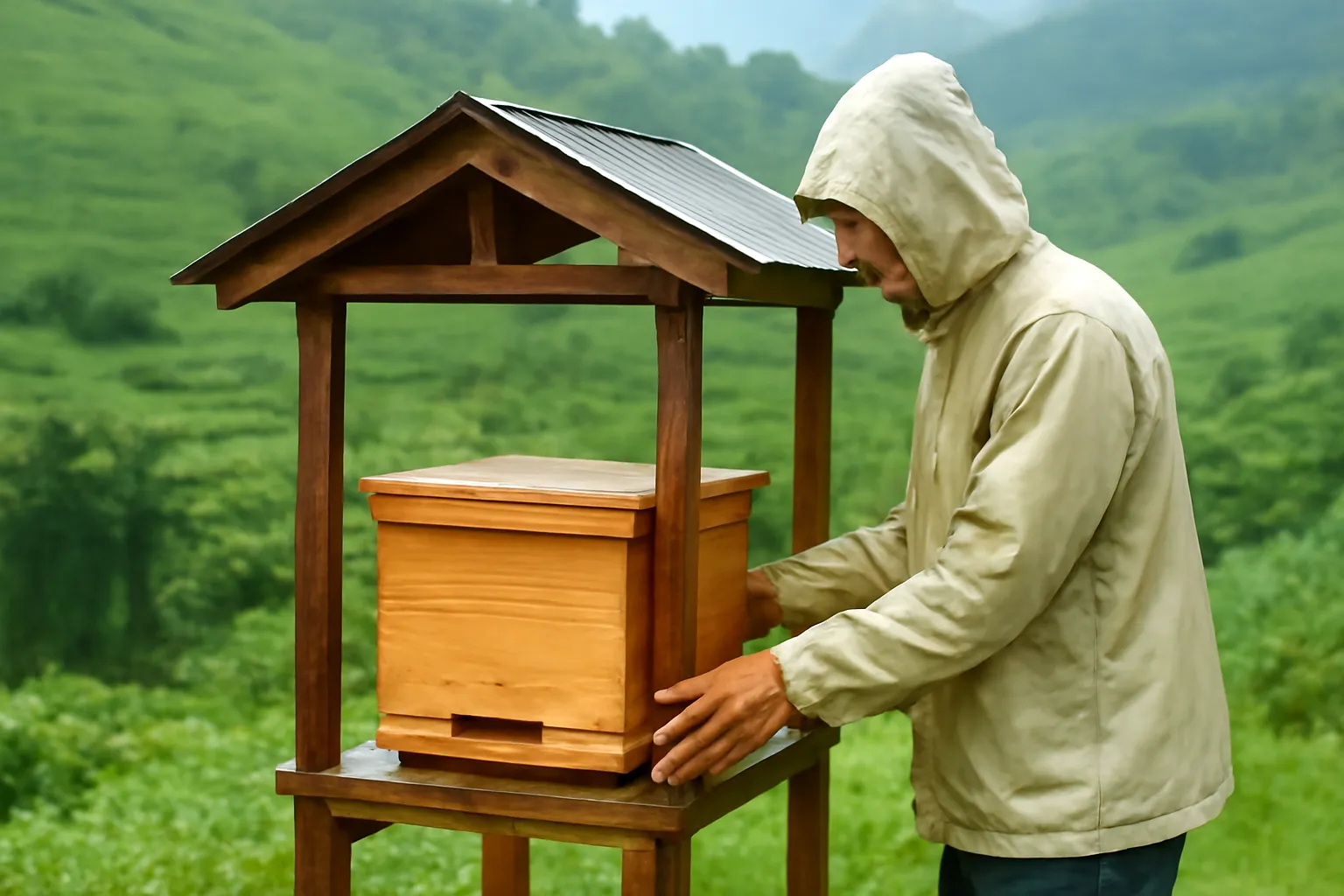
A roof over the box. A simple wooden or tiled roof, wider than the box on all sides, keeps rain off the lid and away from the walls.
An overhang at the front. Make sure the roof extends past the entrance so wind-driven rain does not hit the tube directly.
Off the ground. Raise the box on a stand so it is clear of splash, mud and standing water.
On firm footing. Wet soil softens. Set stand legs on stones or a slab so the box stays level through the season.
Ant guards that cope with rain. Water cups overflow and sticky bands wash off. Check and refresh them after every heavy rain.
Shelter from the prevailing wind. Storms come with wind. A hedge, wall or bank on the windward side keeps both rain and cold off the box.
Morning light. In the highlands a box that catches early sun warms up sooner and gets more flying hours from short dry spells.
Not under dripping trees. Trees give shade but drip long after rain stops. A roof under a tree still needs to be wider than the drip.
Some airflow around the box. Air moving around the walls helps them dry. Do not box the hive into a sealed shed.
Check the box joints. Look for gaps where the lid meets the walls. A strip of tape outside the joints can stop leaks without blocking ventilation holes.
Somewhere you can see from the house. In the wet season you will check more often. A box you can see from a window is a box you actually check.
Prepare everything before collection day. The stand, roof and ant guards should be ready before the colony arrives, so the box goes straight into place.
Timing the installation between showers
Watch the weather for a few days before you collect the colony. You are looking for a dry morning, ideally after a day or two without heavy rain, so roads are firmer and the box will not be carried through a storm. In the highlands, mornings are often clearer than afternoons in the wet season, which makes an early pickup sensible.
Talk to the seller about the day. A keeper will usually close the entrance the evening before, when foragers are home, and hand the box over in the morning. If heavy rain is forecast for the whole week, it is often better for everyone to wait. A colony left in its familiar spot at the farm is under less stress than a colony moved into a downpour.
Once you are home, put the box on its stand under its roof straight away and let it rest. Open the entrance when the bees have calmed and, if possible, when the sky is dry. Bees that leave in a dry spell can make their orientation flights and learn the new location before the next shower.
If rain starts as you arrive, place the box under its roof anyway and open the entrance once the shower passes. Bees will not fly in heavy rain, so there is no harm in the entrance being open; the colony simply stays inside until it clears.
What to watch in the first fortnight
Flights on dry mornings. On the first good morning after installation you should see bees hovering in front of the box in widening loops. That is orientation.
Pollen coming in. Within a week or so of reasonable weather, some foragers should return with pollen. It shows the colony is finding forage.
A dry entrance tube. The tube should look dry and slightly sticky, not wet or mouldy.
No honey at the entrance. Honey running from the tube after a move can mean cracked pots inside. A little shine may clear; a steady drip needs advice.
No small flies hovering. Phorid flies around the box in wet weather are a warning. Check for damage and ask the seller what to do.
Dry wood after rain. Feel the box walls after a storm. If they stay wet for hours, the roof needs extending.
Ant guards working. Check them every few days and after every storm. Ants find weak colonies fast in the wet.
No lid opening. Leave the lid closed for at least the first two weeks. Opening it in damp weather breaks seals the colony cannot quickly replace.
Steady or growing traffic. Compare the entrance on dry days. Traffic should hold or rise as the colony learns its new home.
Bees going quiet for days. In long wet spells this is normal. Concern comes only if traffic stays low on good days too.
Ask before feeding. If a long wet spell comes soon after installation and the colony arrived light, ask the seller whether and how to feed. Do not improvise with sugar syrup in the box.
Common mistakes in the wet season
Installing on a stormy day because it was the day off. A week’s delay costs nothing. A colony carried through a storm can cost everything.
Relying on the box lid as the roof. Lids keep rain out for a while, but water soaks in over a season. A separate roof is far better.
Wrapping the whole box in plastic. Plastic traps moisture inside. Use a roof and leave the walls able to breathe.
Putting the box under a dripping eave. Eaves concentrate runoff. Check where water actually falls in a storm.
Opening to check stores. It is tempting when the weather has been bad, but opening lets cold, damp air in and breaks the seals.
Moving the box after it has settled. Even a short move confuses foragers, and on rare flying days they cannot afford to get lost.
Ignoring the ant guards. In wet weather they fail more often. A failed guard can let ants in within a single night.
Placing the box in a closed shed. Sheds stay damp and dark. The colony needs outside air and light at the entrance.
Feeding without advice. Sugar syrup spilled in a box can ferment and attract pests. Ask an experienced keeper first.
Panicking over quiet days. Quiet days in rain are expected. Judge the colony on how it behaves when the sun comes out.
Splitting your own colony in the rains. If you already keep bees, do not divide a colony in a long wet spell. Wait for drier, more flowery weeks.
Frequently asked questions
Is the rainy season a bad time to buy a stingless bee colony?
It is a harder time, not an impossible one. With a dry, roofed spot and a dry day for the move, many colonies settle well, but a colony from the farm can also wait for better weather.
Do stingless bees fly in the rain?
They avoid flying in rain and heavy cloud. They come out again in dry spells, often on bright mornings between showers.
How do I stop rain getting into the hive?
Use a separate roof wider than the box, with an overhang over the entrance, and raise the box off the ground. Check joints for gaps where water can enter.
What does a wet hive smell like?
A damp or sour, fermented smell from the entrance can mean wet or damaged pots inside. It is worth asking an experienced keeper to look.
How long should I wait before opening a new colony?
Leave the lid closed for at least two weeks, longer if the weather has been wet. Watch the entrance instead.
Can a colony starve in the rainy season?
A colony with low stores can run short during long wet spells when the bees cannot forage. Ask the seller how strong the colony is before buying in the rains.
Written by the team behind a working stingless bee farm about 40 km from Ho Chi Minh City, Vietnam. Articles come from day-to-day work at the farm; technical figures are stated as ranges, not promises.
About the team →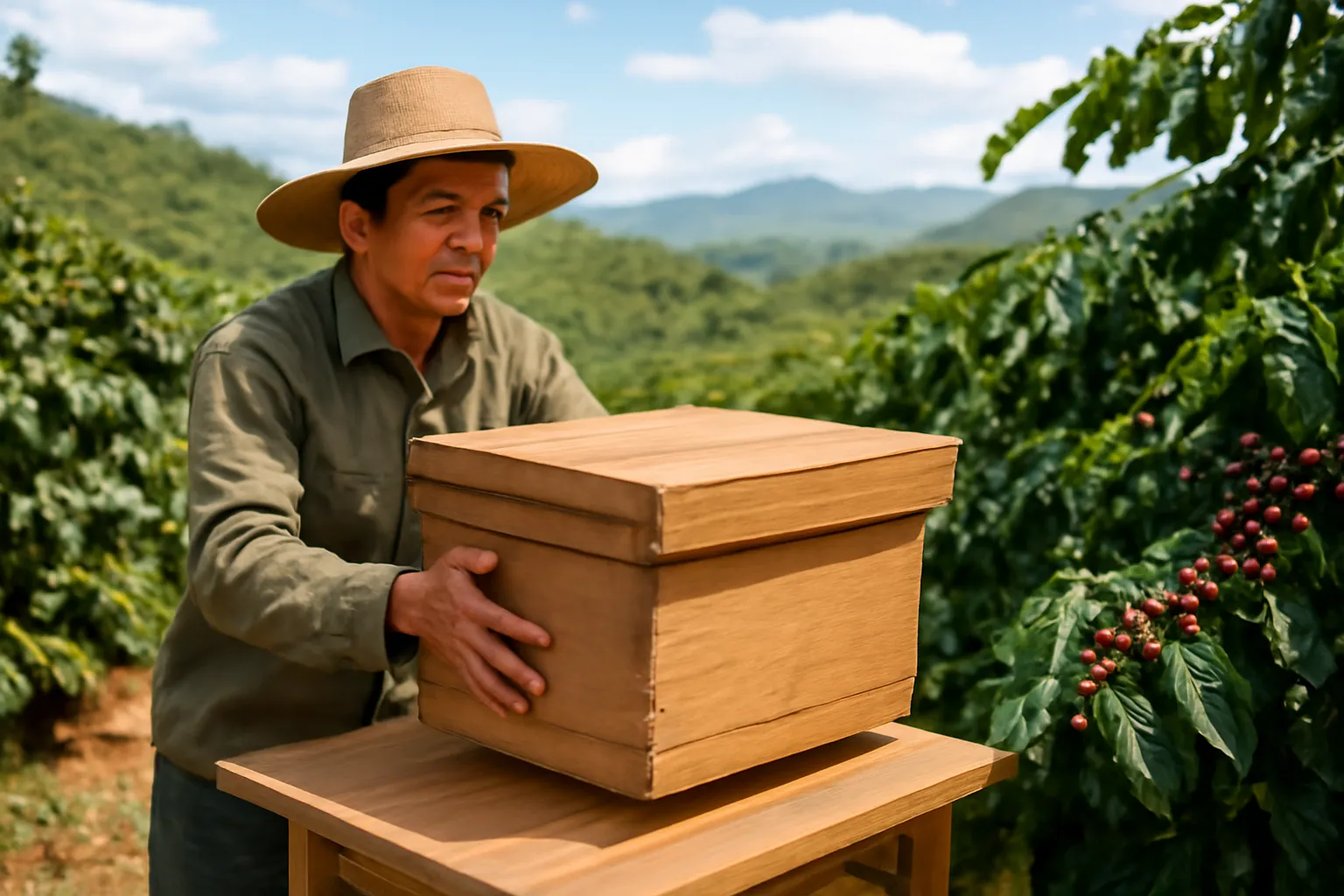
Buy a Stingless Bee Colony in Lam Dong: Price and Pickup
A starter stingless bee colony from Ong Moc, our farm in Ta Dung, Lam Dong, costs 2.900.000₫. You collect it in its closed box at the farm, ideally on
Why Not Take a Wild Stingless Bee Colony From the Forest
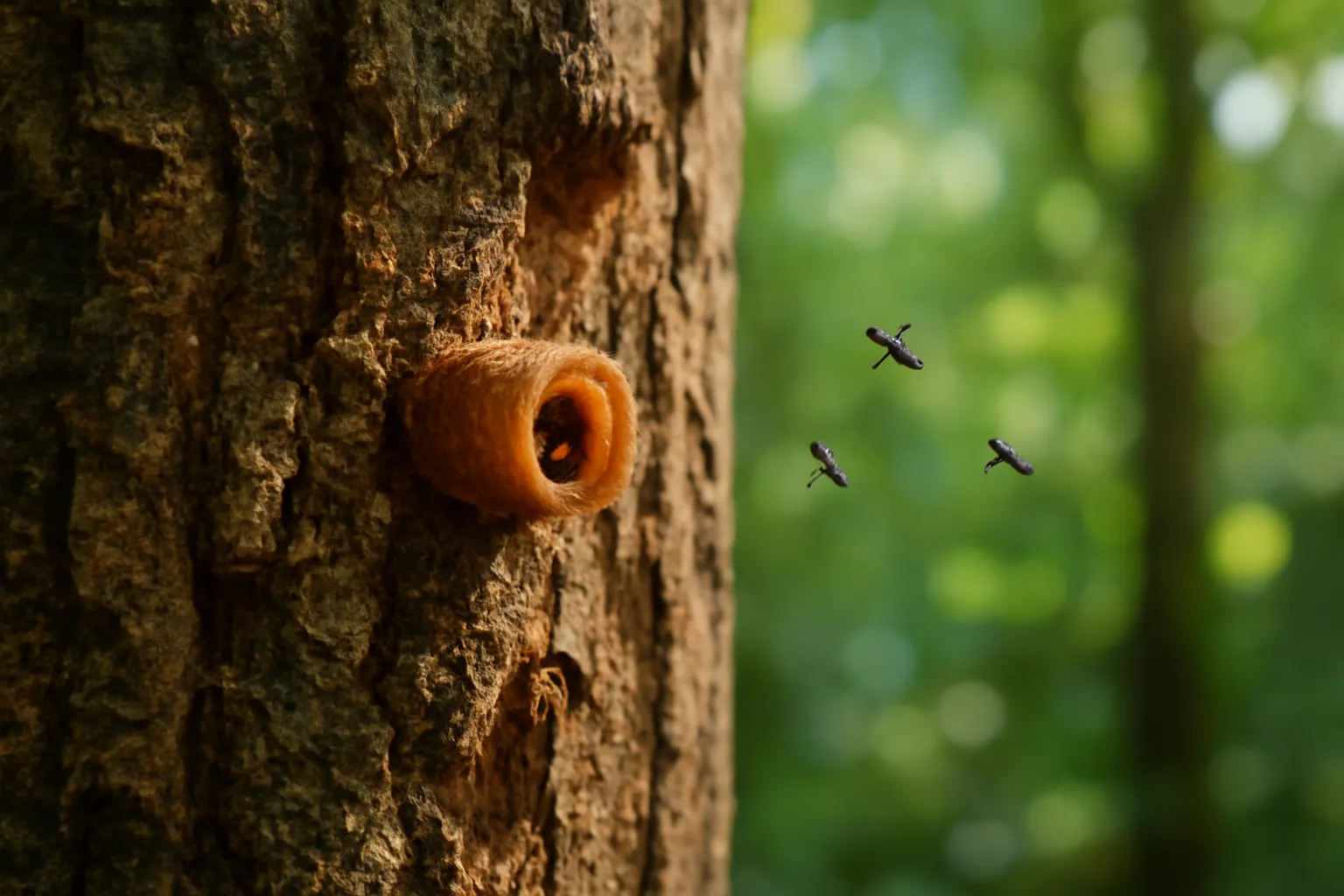
Cutting a wild stingless bee nest out of a forest tree usually kills the tree section, often kills the colony, and removes one of the forest’s own pol
Can a Highland Stingless Bee Colony Live in the Lowlands?
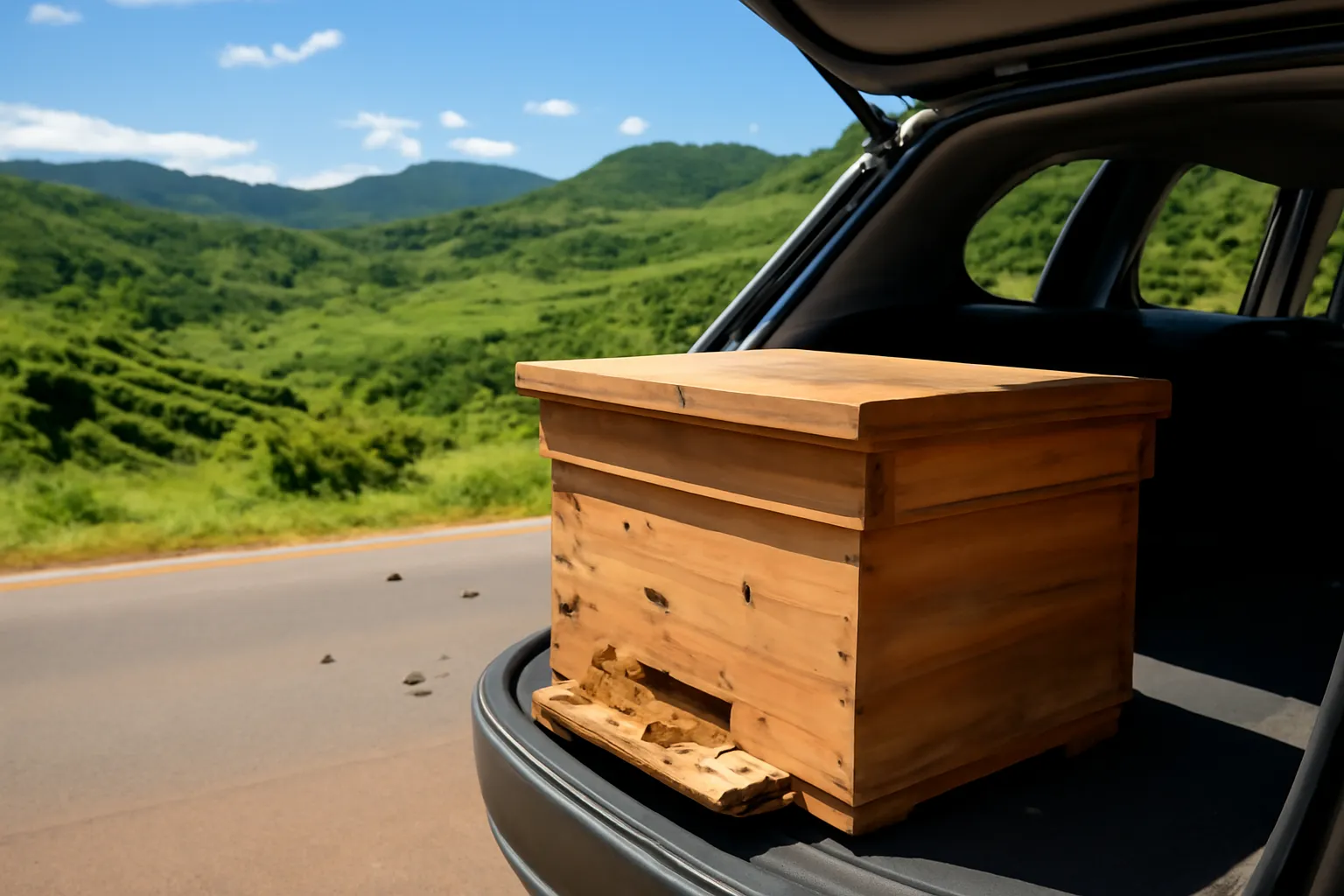
Yes, a stingless bee colony from the cool Lam Dong highlands can live in Saigon or on the coast, because the same kinds of bees also live in the lowla
Stingless Bees for a Coffee Farm: Is It Worth It?
A few stingless bee colonies can sit happily on a coffee farm and work the blossom, but only if the farm’s spraying habits change to protect them. Whe
Lisotrigona: The Smallest Stingless Bee, Explained
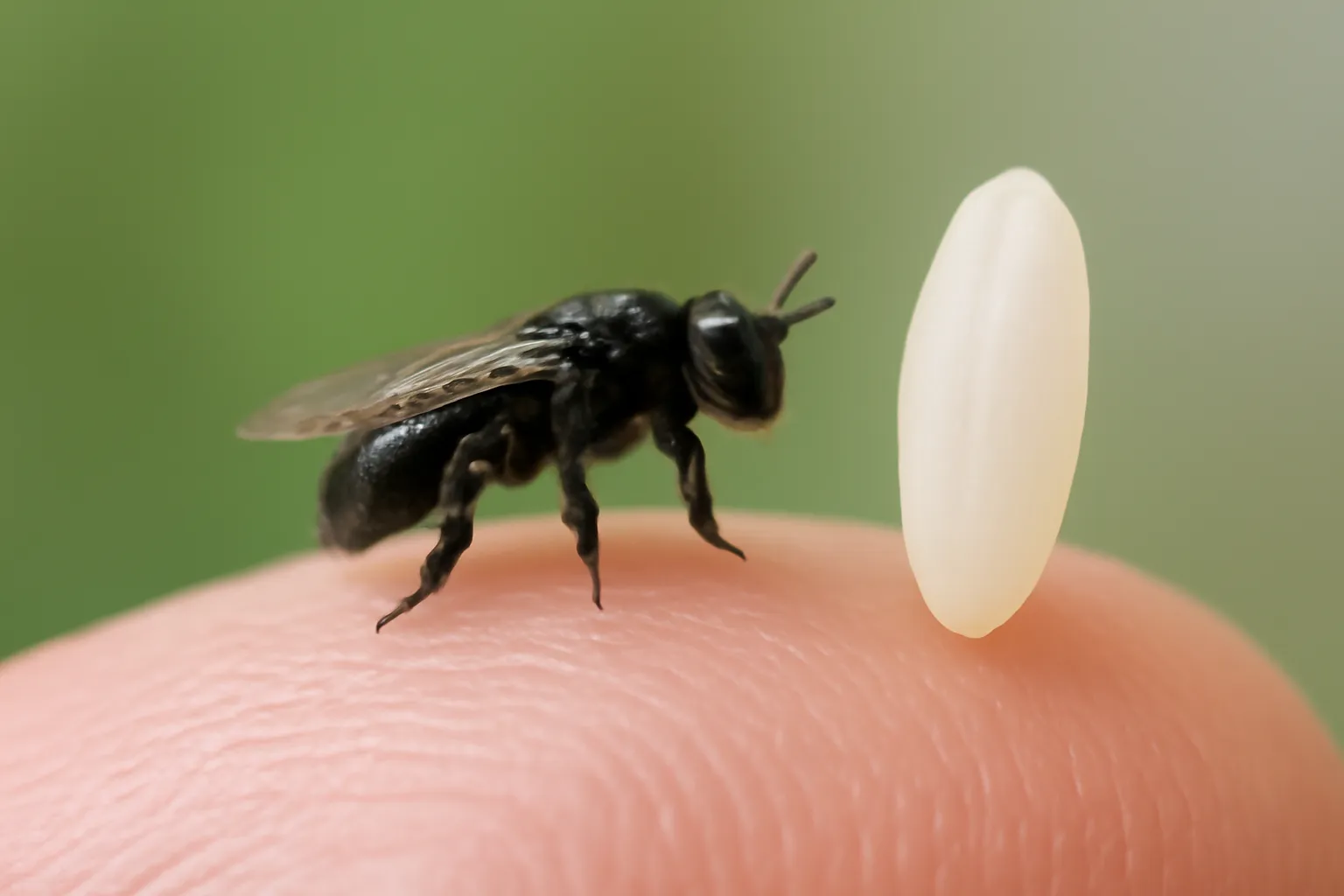
Lisotrigona is a genus of stingless bees so small that a worker is shorter than a grain of rice. They live in small colonies, store very little honey
 ›
×
›
×

MoraBee is the international name of Ong Moc, a stingless bee farm in Ta Dung, Lam Dong, among forest and coffee gardens: unblended honey in clean jars, starter colonies, and farm visits.
Vietnamese stingless bee honey from the highlands
A brand by Tên Miền Đẳng Cấp
© 2026 MoraBee. All rights reserved. · Copyright · OD-3864-C503