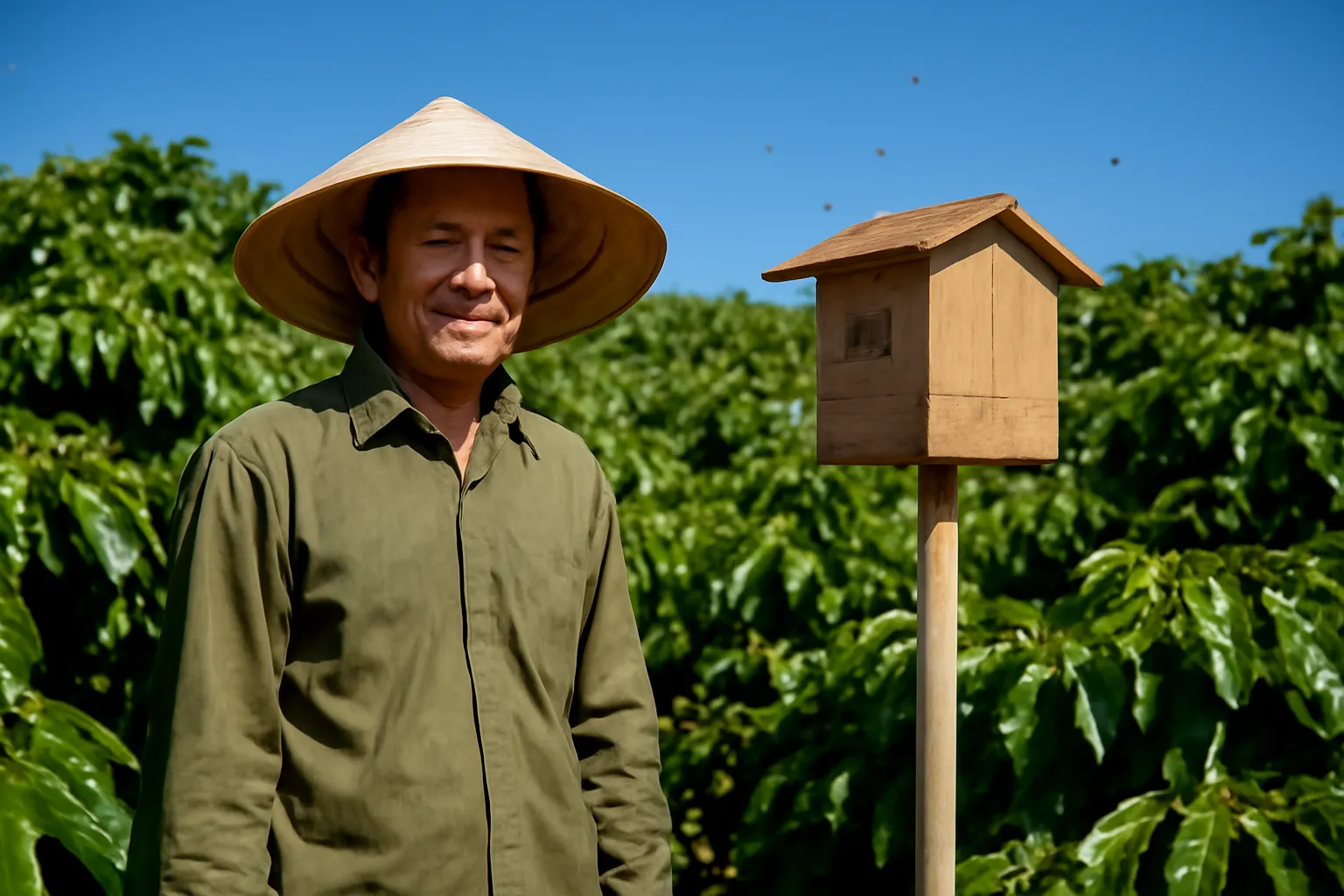
Stingless Bees for a Coffee Farm: Is It Worth It?
Adding stingless bees to a coffee farm can be worth it if you already enjoy bees and are willing to change how and when you spray. The bees will work the coffee blossom when it opens and the rest of the farm the rest of the year, but nobody can promise how much they will change your harvest, so do not buy colonies as a yield plan.
Coffee is everywhere in Lam Dong, and the forest edge around Ta Dung is fringed with it. Growers who visit the farm often ask the same thing: would a few boxes among the rows help? Here is an honest answer, along with the practical side of placing hives and living with them through a coffee year.
What the bees actually do on a coffee farm
The coffee year in the Central Highlands turns on a few days of blossom. After the dry months, irrigation or the first rains trigger the bushes to flower almost together, and for a short window the rows turn white and the air smells of jasmine. Robusta, the coffee most planted across the region, is largely self-incompatible, meaning a flower usually needs pollen from a different plant to set fruit well. Wind moves some of that pollen; insects move more.
Stingless bees visit coffee flowers readily, and on a blossom morning they will be among the many insects in the rows. Research in coffee regions of several countries has linked more bee visits to better fruit set. What that means on your farm, with your bushes, your neighbours’ trees and the wild insects already present, is something nobody can tell you in advance. We do not quote yield figures because we do not have honest ones for your situation.
The blossom is short. For most of the year your colonies are not living on coffee at all; they are working shade trees, hedges, weeds in the inter-row and the forest edge. A farm with nothing flowering outside the coffee window is a lean place for bees, and colonies there will struggle to stay strong enough to matter when the blossom arrives.
So the better question is not whether bees will raise your yield, but whether your farm can be a good home for bees all year. If it can, the blossom is a bonus for both sides.
Where to put hives among the coffee rows
At the edge, not the middle. Boxes at the edge of a block, near a shade tree or hedge, are easier to reach and further from the heaviest spraying traffic.
Under shade. Coffee rows in full sun get hot by afternoon. A box under a shade tree or a simple roof is much safer.
On a post or stand. Raising the box keeps it out of splash from irrigation and mud, and makes ant guards possible.
With ant guards on every leg or post. Coffee farms have plenty of ants. A cup of water or sticky band around each support is essential.
Entrance facing away from the work path. People with sprayers, hoses and baskets pass along the rows. Turn the entrance so bees do not fly straight into them.
Away from irrigation sprinklers. A sprinkler hitting the box daily soaks the wood and chills the brood. Check where the water lands.
Spread across the farm rather than in one cluster. A few boxes at different edges cover more of the blossom than a single row of hives in one corner.
Close to other forage. A box near a flowering hedge, a fruit tree or the forest edge has food beyond the coffee window.
Easy to close in an emergency. Place boxes where you can reach them quickly in the evening if a neighbour announces spraying.
Out of the path of machines. Tractors, grass cutters and pruning crews can knock a stand. Leave a clear margin.
Somewhere you walk past daily. A box you see every day is a box you notice when something changes.
How spraying has to change
This is the part that decides whether bees and coffee can share a farm. Many insecticides used in coffee are toxic to bees, and some fungicides and herbicides can also harm them or their brood when used carelessly. The principles are simple even if following them takes discipline: read every label, check whether the product is marked as harmful to bees, and follow the instructions exactly, including the withholding period before harvest.
Timing matters as much as the product. Stingless bees forage in daylight and are most active from mid morning into the afternoon. If spraying must happen, it should be done when bees are not flying, typically in the early evening once foragers are home, and never on open flowers during blossom. Spraying a block in full flower is the single most damaging thing a coffee farm can do to its bees.
Drift is the hidden problem. A fine mist carried by wind can land on hives, water dishes and flowering weeds well beyond the target rows. Spray on still days, keep a buffer around boxes, and do not wash spray equipment near them. If your farm uses contract sprayers, tell them where the boxes are and why it matters.
Neighbours count too. Your bees forage across the boundary, and a neighbour spraying blossom at midday can undo all your care. A friendly conversation before the flowering season, and a request to be warned when spraying is planned, is worth more than any piece of equipment.
Weed control between rows is worth a second look. Flowering weeds in the inter-row feed bees in the lean months. Mowing rather than spraying, or leaving some strips uncut, keeps forage available without harming the coffee.
What not to expect, and what you can
Do not expect a measured yield increase. Many things decide a coffee harvest: rain, nutrition, pruning, variety and age of the bushes. Bees are one small part.
Do not expect coffee honey in quantity. Stingless bees make small amounts of honey, and coffee blossom lasts only days. A jar labelled as pure coffee honey from a few boxes would be unusual.
Do not expect bees to fix a poorly managed block. Bees add to good practice; they do not replace it.
Do not expect zero work. Boxes need checking, ant guards need refilling, and spraying plans need coordinating.
Do expect to notice more about your farm. Many growers who keep bees start paying attention to which plants flower when, simply because they watch the hives.
Do expect visitors to be interested. Coffee farms that welcome visitors find a working hive is something people enjoy seeing.
Do expect colonies to vary. Some boxes will thrive, others will be slower. That is normal, even on the same farm.
Do expect to adjust your calendar. Blossom, spraying and harvest timing all become things you plan with the bees in mind.
Do expect a learning year. Your first full coffee cycle with bees will teach you where boxes do best on your land.
Do expect to need advice now and then. Keep the number of whoever sold you the colonies, and ask before trying something new.
Do expect the forest edge to matter. Farms near forest tend to have more forage outside the blossom, which helps colonies stay strong.
A coffee year with bees, step by step
After harvest, prune with the boxes in mind. Pruning crews and piles of cut branches can bump or shade boxes unexpectedly. Walk the rows with them first.
In the dry months, watch for water. Bees need water in the driest weeks. Irrigation puddles help, but not if they are laced with fertiliser or spray residue.
Before blossom, talk to the neighbours. Agree on warning each other about spraying during the short flowering window.
Check ant guards before irrigation starts. Watering brings ants up and out. Refill or renew guards before the first big irrigation round.
During blossom, keep sprayers away from flowers. This is the window when bees and coffee meet. Protect it above everything else.
During blossom, leave the boxes alone. A colony working hard on a short bloom does not need opening. Watch the entrance instead.
After blossom, expect a lean spell. Once coffee flowers drop, forage depends on what else grows nearby. This is when hedges and weeds earn their place.
As rains arrive, check roofs and stands. Highland rains are long. Make sure lids shed water and stands stay firm in soft ground.
Through the wet season, keep spraying disciplined. Fungal pressure rises in the rains and spraying often increases. The same rules about labels, timing and drift still apply.
Before harvest, plan the picking routes. Pickers move fast with bags and ladders. Make sure they know where boxes are so nobody knocks one over.
At harvest, give pickers a short briefing. Tell them the bees do not sting but may bite or tangle in hair if disturbed. People who know what to expect stay calm.
Once a year, review where boxes did best. Move nothing during the season, but note which spots worked so you can place the next colony better.
Frequently asked questions
Do stingless bees pollinate coffee?
Stingless bees do visit coffee flowers and carry pollen between them. How much difference they make on a particular farm depends on many other factors, so it is best treated as uncertain.
How many colonies does a coffee farm need?
There is no reliable number to recommend. Start with one or two, learn where they do well on your land, and add more only if they thrive.
When does coffee flower in Lam Dong?
Coffee in the region usually flowers after the dry months, once irrigation or early rain triggers the bushes. The blossom is short, often lasting only a few days per flowering.
Can I spray my coffee if I keep bees?
Yes, but choose products carefully, read the label for bee warnings, spray when bees are not flying, avoid open flowers and respect withholding periods. Warn anyone spraying nearby where the boxes are.
Is honey from bees on a coffee farm safe to eat?
Honey is a food, and it is safe when the farm follows label instructions and withholding periods for any sprays. As with all honey, never give it to children under one year old.
Should the hives be moved during spraying?
Moving boxes confuses foragers, so it is better to close entrances the evening before and keep them shaded and ventilated while closed. Bees cannot stay shut in for long, so ask an experienced keeper how to time it for the product you are using.
Written by the team behind a working stingless bee farm about 40 km from Ho Chi Minh City, Vietnam. Articles come from day-to-day work at the farm; technical figures are stated as ranges, not promises.
About the team →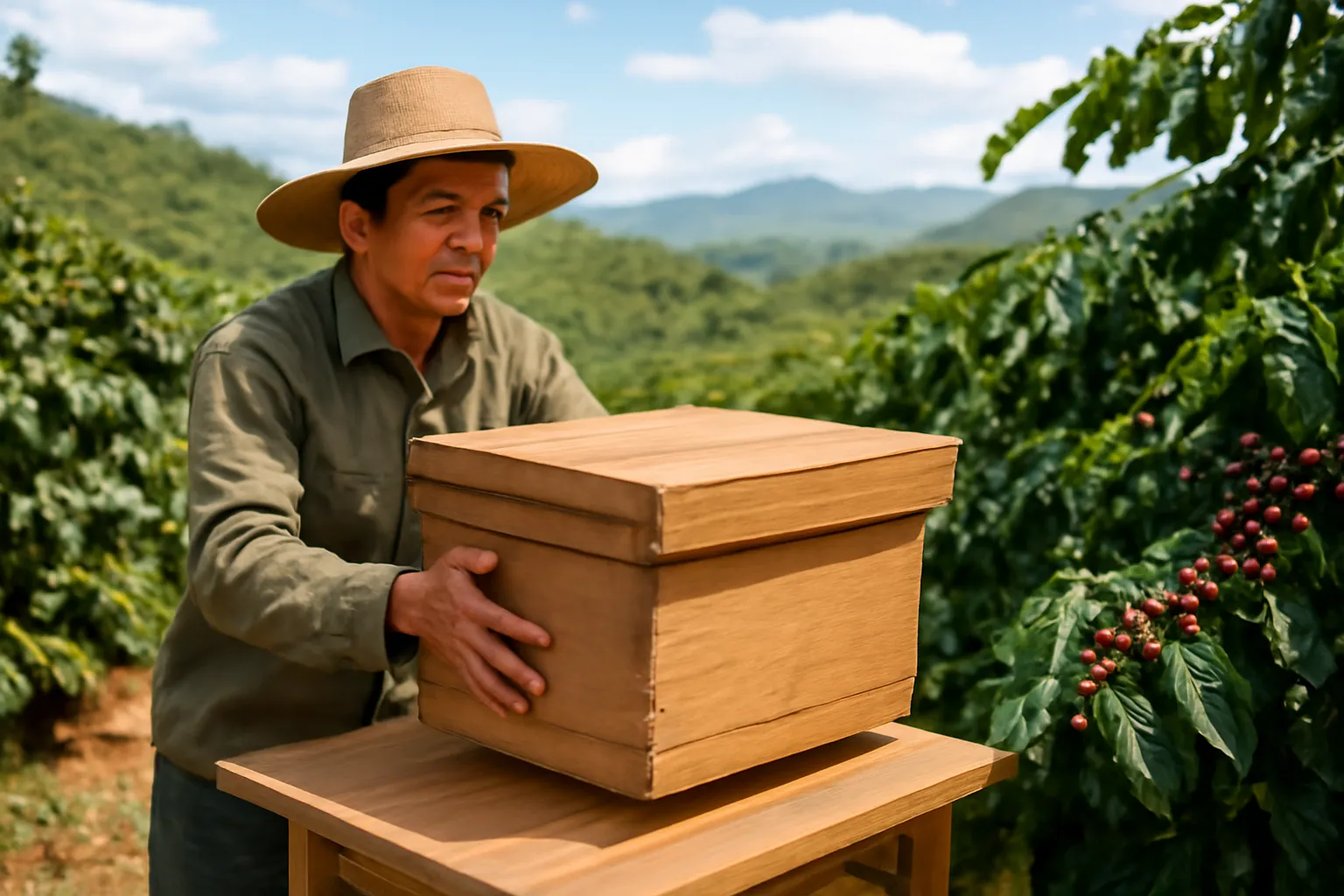
Buy a Stingless Bee Colony in Lam Dong: Price and Pickup
A starter stingless bee colony from Ong Moc, our farm in Ta Dung, Lam Dong, costs 2.900.000₫. You collect it in its closed box at the farm, ideally on
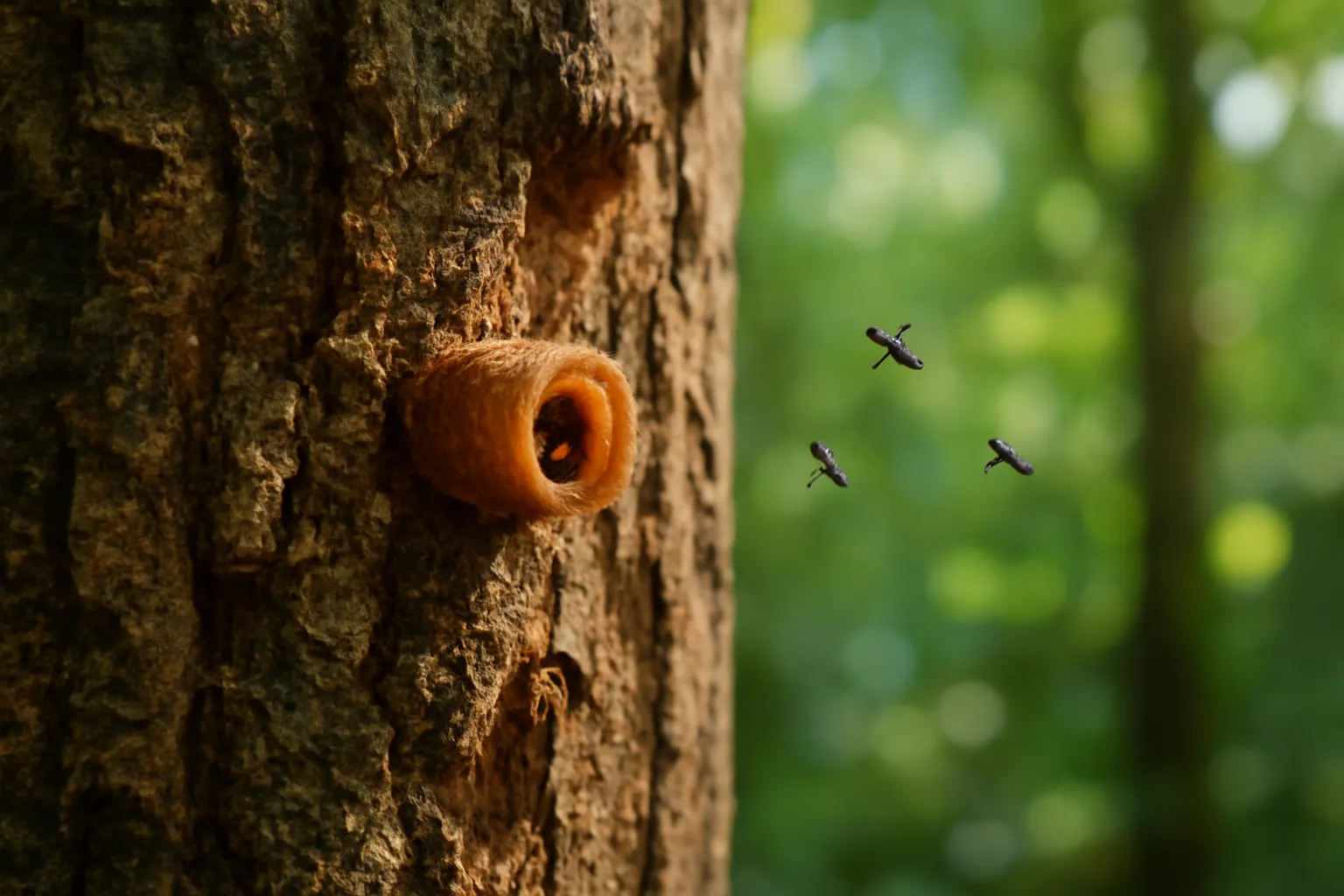
Why Not Take a Wild Stingless Bee Colony From the Forest
Cutting a wild stingless bee nest out of a forest tree usually kills the tree section, often kills the colony, and removes one of the forest’s own pol
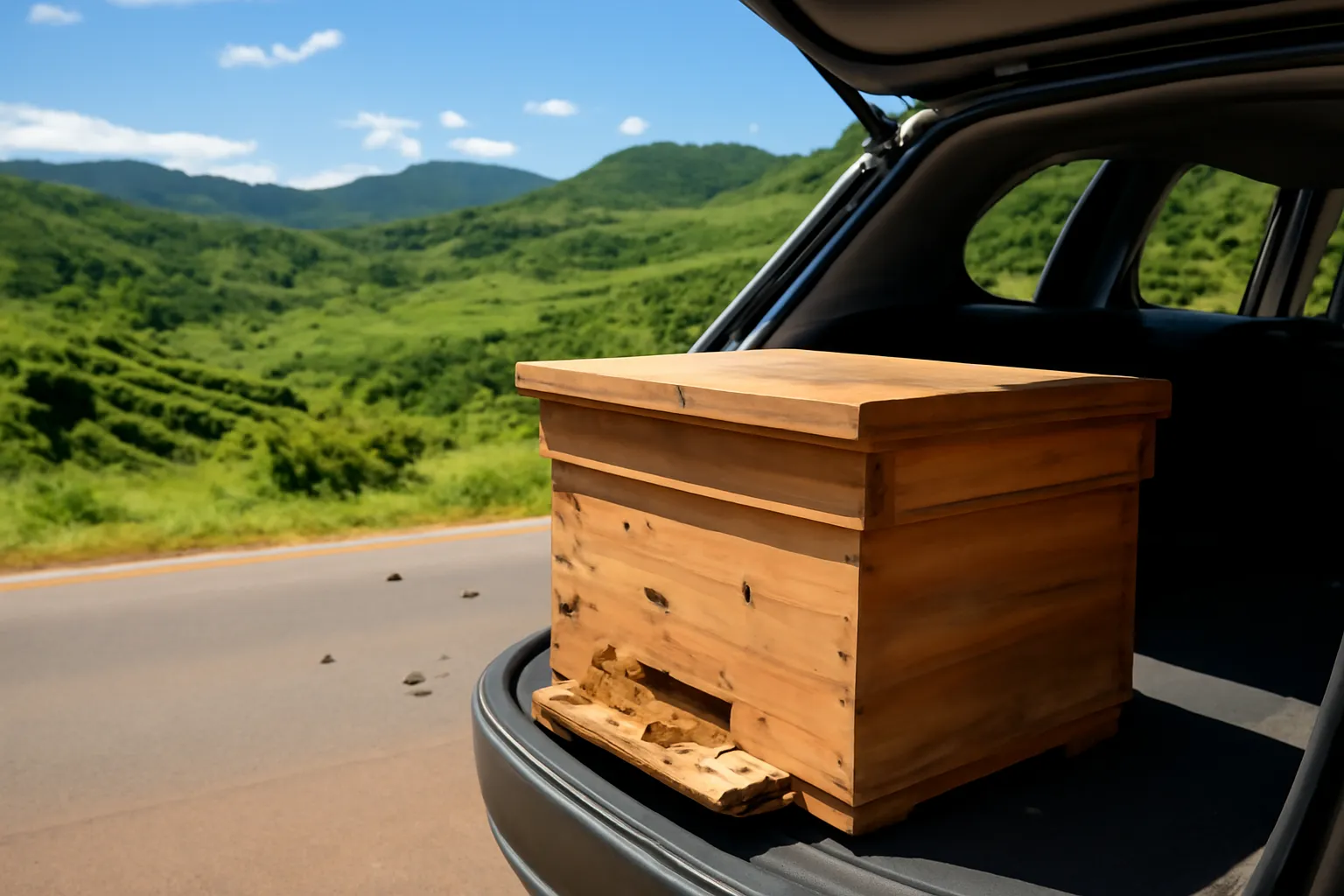
Can a Highland Stingless Bee Colony Live in the Lowlands?
Yes, a stingless bee colony from the cool Lam Dong highlands can live in Saigon or on the coast, because the same kinds of bees also live in the lowla
Lisotrigona: The Smallest Stingless Bee, Explained
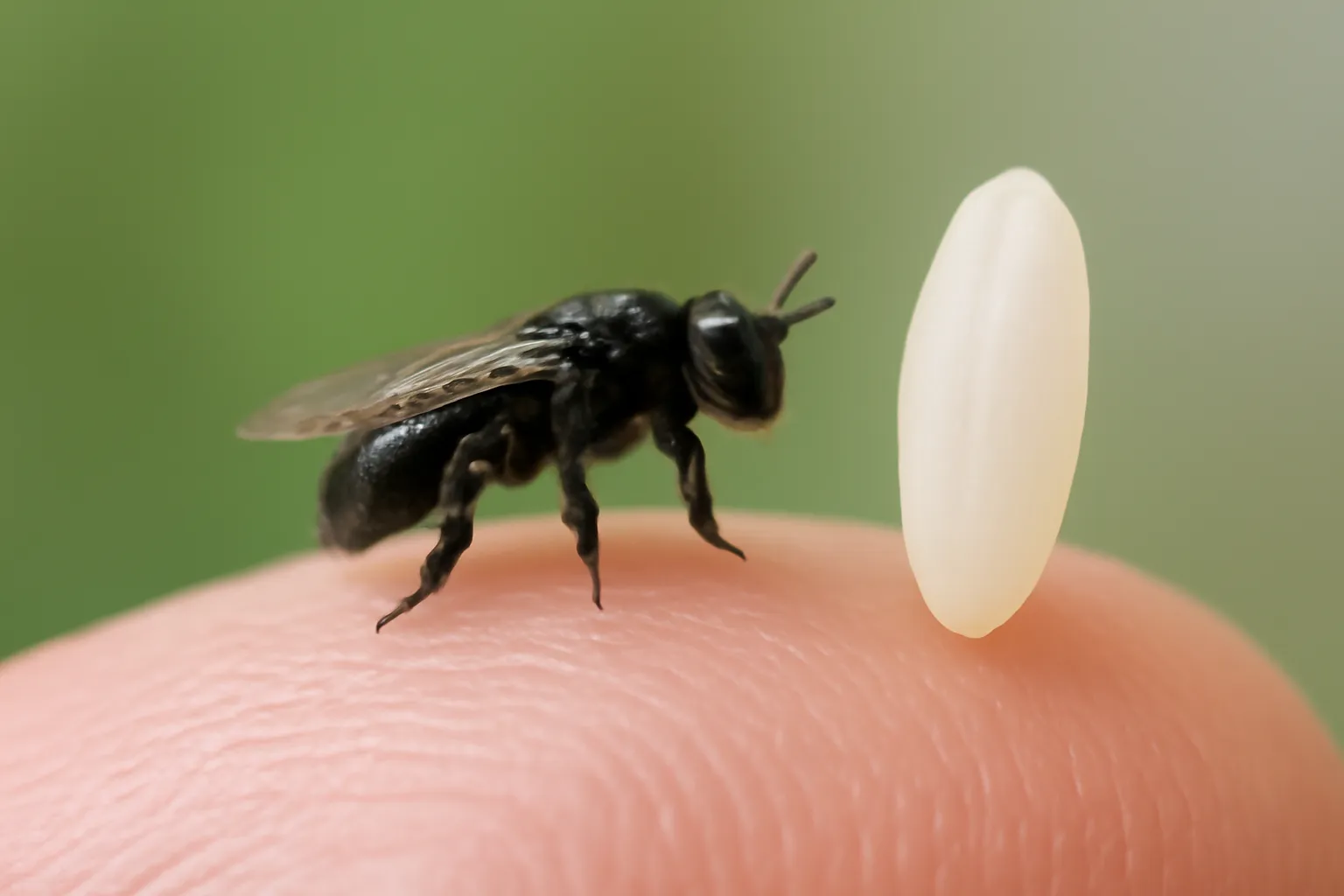
Lisotrigona is a genus of stingless bees so small that a worker is shorter than a grain of rice. They live in small colonies, store very little honey
Settling a Stingless Bee Colony in the Rainy Season
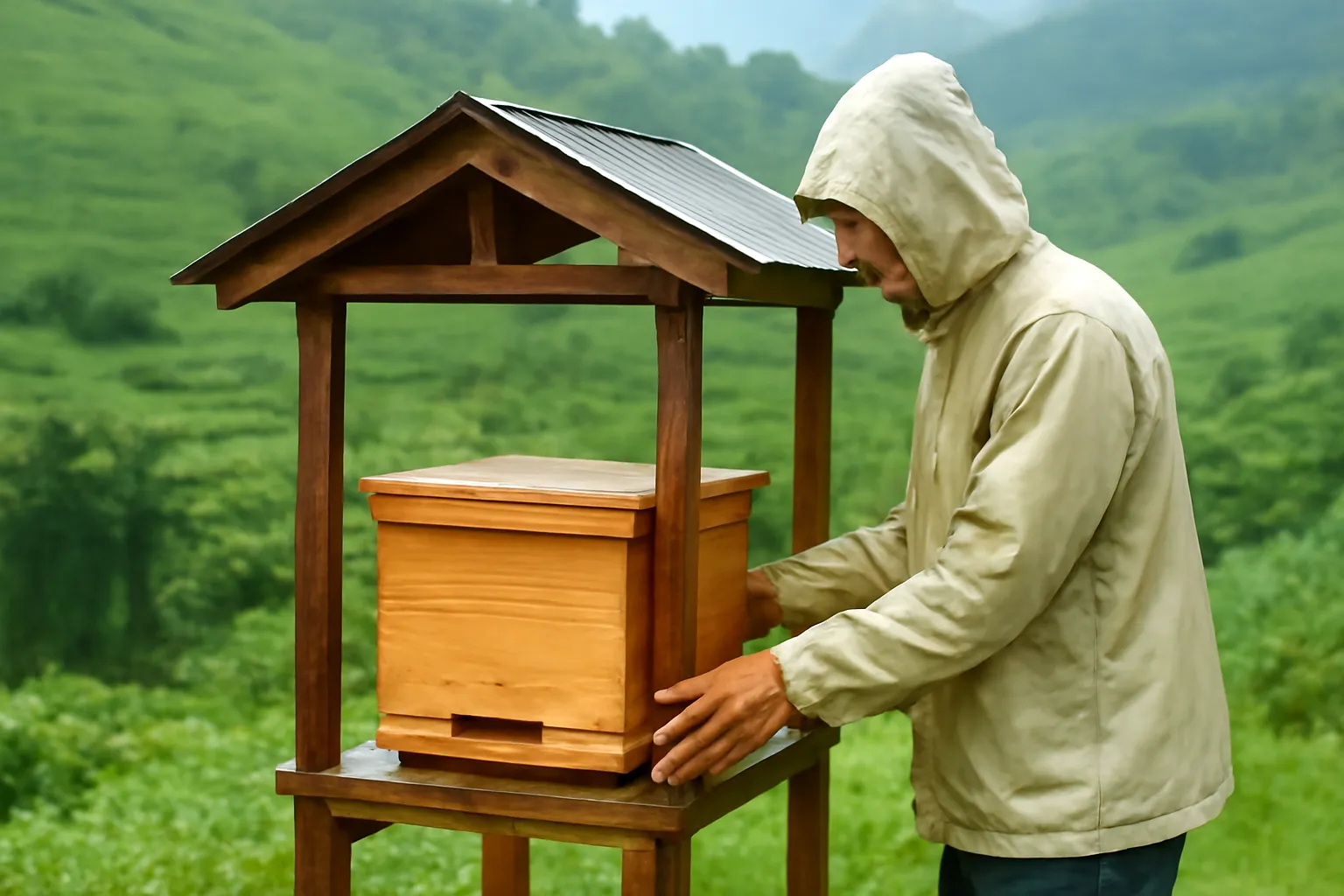
You can settle a new stingless bee colony during the rainy season, but the risks are real: a wet box, little forage and a colony living on its stores.
 ›
×
›
×

MoraBee is the international name of Ong Moc, a stingless bee farm in Ta Dung, Lam Dong, among forest and coffee gardens: unblended honey in clean jars, starter colonies, and farm visits.
Vietnamese stingless bee honey from the highlands
A brand by Tên Miền Đẳng Cấp
© 2026 MoraBee. All rights reserved. · Copyright · OD-3864-C503