Can a Highland Stingless Bee Colony Live in the Lowlands?
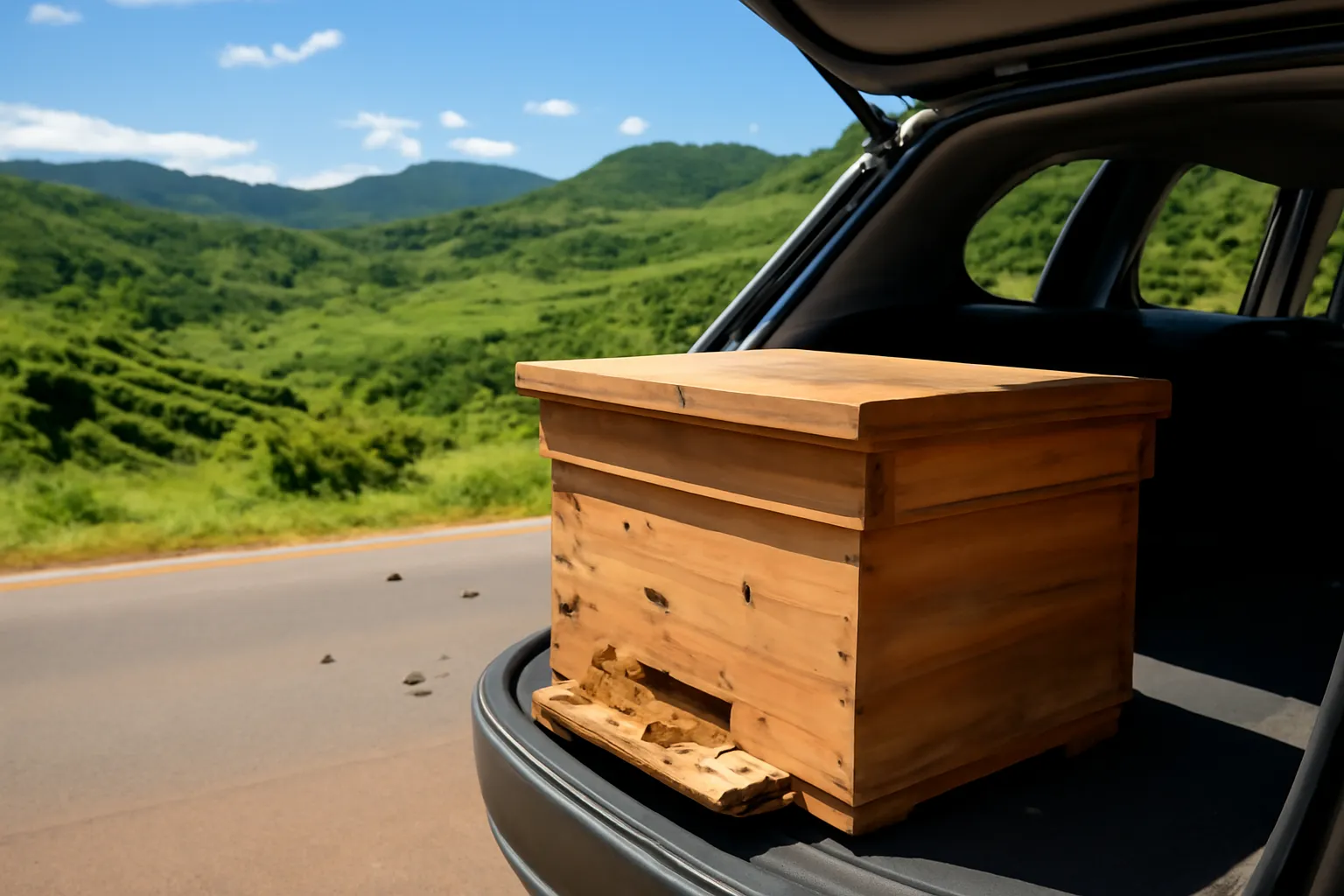
A highland stingless bee colony can live in the lowlands. The Tetragonula bees we keep in Ta Dung belong to a group that is also kept in Saigon, the Mekong Delta and the coast, so heat itself is not foreign to them. What hurts colonies is a sudden jump into heat they have no way to escape: a hot car, a box in full sun, a metal roof above a balcony.
Most of the people who collect colonies from the farm and drive them down the mountain are heading somewhere warmer. This article explains what changes for the bees on the way down, the mistakes that cost colonies, and a practical plan for the first weeks after arrival.
What actually changes for the colony
The Ta Dung hills are cool and often damp. Mornings start in mist, afternoons are mild, and the long rainy season brings weeks of cloud. A colony living there spends a good part of its effort keeping its brood warm enough on cold nights and dry enough in drizzle. Down in Saigon or along the coast the problem flips: the colony has to keep the brood from getting too hot.
Stingless bees manage temperature with very small tools. They cannot fan in large numbers the way honey bees do, so they rely mostly on the nest itself: layers of involucrum (thin sheets of cerumen wrapped around the brood like an onion skin), the thickness of the box walls, and where the keeper chose to put the box. Their honey pots are made of cerumen, which softens as it warms. In serious heat pots can sag, leak and collapse onto the brood.
Forage changes too. Around the farm the bees work forest trees, coffee blossom in season and the weeds and shrubs of the hills. In a lowland garden they meet different plants flowering at different times. Bees are flexible about this, but a colony that arrives at a time when little is flowering nearby will lean on its stores until it finds new sources.
Is there any lasting difference between a colony raised in the hills and one raised in the lowlands? We are not aware of good evidence either way for the populations we keep, and we would rather say so than guess. What we can say from experience is that colonies which are moved carefully and given shade settle in the heat far better than colonies that are moved roughly into the sun.
Mistakes that cost colonies on the way down
Leaving the box in a parked car. A closed car in the lowland sun becomes an oven within minutes. If you stop for lunch, the box comes out with you into the shade.
Putting the box in the boot. Boots trap heat and get no airflow. The cabin floor, wedged with soft bags, is cooler and steadier.
Driving through the hottest hours. The road from Lam Dong to Saigon takes several hours. Leaving early means most of the drive happens before the lowland heat builds.
Carrying it on a motorbike seat in full sun. Sun, vibration and wind together are hard on a closed box. If a motorbike is the only option, shade the box and ride gently.
Tipping the box sideways. Honey pots are built to stand upright. A box on its side can lose honey across the brood.
Wrapping it in plastic. Plastic keeps rain off but also traps heat and moisture. A cotton cloth over the box is better.
Sealing every gap with tape. The entrance needs closing, but the bees still need some air. Ask the keeper how the box was closed and leave it that way.
Opening it as soon as you arrive. Agitated, hot bees need time. Place the box, let it rest, then open the entrance.
Choosing a spot at noon. A place that looks shady at midday may be in full sun at three in the afternoon. Look at your spot at several times of day before the trip.
Forgetting about roofs and walls. Concrete walls and tin roofs radiate heat long after sunset. A box against a west-facing wall is in trouble even in shade.
Assuming the highland honey will feed it for months. Stores help, but a colony still needs forage within flying range of its new home.
Moving it again in the first week. Every move confuses foragers. Choose carefully once and leave it.
A plan for the first weeks in the heat
Start before you buy. Pick the place where the box will live and watch it on a hot afternoon. You want shade from late morning until late afternoon, a dry floor or stand, and some moving air without a constant draught straight into the entrance. Under a tree or a deep eave is often better than inside a covered room, where heat builds up.
Think about the box itself. Thick wooden walls buffer heat far better than thin plywood. Some lowland keepers add a second roof raised a few centimetres above the lid, so air moves between the two and the sun never touches the real lid directly. A light-coloured top board reflects more heat than a dark one.
For the first fortnight, check the entrance in the coolest and the hottest part of the day. A colony that is coping will have steady traffic in the morning, a quieter period in the hottest hours, and pick up again later. Bees clustering outside the entrance in the afternoon, honey running from the tube, or a smell of fermentation are signs to act on: improve the shade immediately and send a photo to whoever sold you the colony.
Do not open the lid just to check in this period. Each opening breaks the seals the bees are making with resin, and in heat the colony has less margin to repair them. Watching from outside tells you most of what you need to know.
After a month, most colonies that made it through the move are behaving like local colonies. The highland origin stops being the story; the story becomes the forage and shade around your home.
Signs your colony is settling, and signs it is not
Pollen coming in. Foragers returning with yellow, orange or white loads on their back legs mean the colony is raising brood. This is the best single sign.
Resin being carried. Bees bringing sticky resin back to the entrance are building and sealing. That is a colony investing in its new home.
An entrance tube that grows. A fresh, slightly sticky lip on the entrance tube shows the colony is active and confident.
Guards standing at the entrance. A few bees sitting at the mouth of the tube, facing outward, are doing their job.
Calm behaviour in the evening. In the evening a settled colony goes quiet, with only a few bees at the entrance.
Honey dripping from the entrance. This is a warning sign. It usually means pots inside have been damaged by heat or jolting.
Many dead bees on the stand. A few dead bees are normal. A pile after a hot day suggests the box got too hot.
Small flies hovering around the box. Phorid flies are drawn to damaged pots and weak colonies. Their presence means something inside is broken.
Ants on the stand. Ants find weak colonies quickly. Check that ant guards are full and working.
Traffic that keeps falling. If activity drops week after week, the colony may be short of forage or have lost its queen. Ask for advice.
Bees clustered outside on hot afternoons. This is the colony trying to cool down. Add shade and airflow straight away.
Questions people ask before buying for a lowland home
Should I buy in a particular season? Avoid the hottest weeks of the lowland dry season if you can. A move into milder weather gives the colony more room for error.
Is a highland colony better than buying from a lowland farm? Not necessarily. Buy from the farm you trust and can reach. If you live in Saigon, a nearby farm means a shorter, cooler journey.
Can I keep the box indoors to keep it cool? Bees need to fly freely in and out, so the entrance must face outdoors. A box inside a closed room cut off from the outside will not work.
Does air conditioning near the box help? Not much. Hot exhaust from outdoor air-conditioning units can make things worse, so keep boxes away from them.
Do I need to give water? Bees collect water from damp ground and plants. A shallow dish with stones near the box does no harm in a very dry spot.
Should I feed the colony after the trip? Usually not. Ask the seller first if you think it is short of stores.
Can I put it on a balcony? Often yes, if the balcony gets afternoon shade and there are flowers within flying distance. A high balcony in full western sun is a poor choice.
Will the honey taste different? Yes, eventually. Honey reflects whatever the bees forage, so a colony in a lowland garden will make honey that tastes of that garden.
How far do the bees fly? Stingless bees forage fairly close to home compared with honey bees, so what grows near you matters more than what grows across town.
Can I bring it back to the highlands later? You can, with the same care in reverse, but every move costs the colony. Try to choose a home it can stay in.
What if I cannot provide shade? Then wait. A colony is better left at the farm until you have a suitable spot than moved into a place where it will struggle.
Frequently asked questions
Do stingless bees die in hot weather?
Colonies can die if the nest overheats, especially in a box exposed to direct sun or trapped in a hot car. Good shade, thick box walls and airflow prevent most heat losses.
What temperature is too hot for stingless bees?
There is no single safe number to quote, because box design, shade and colony strength all change how a nest handles heat. Watch the colony: bees clustering outside or honey leaking from the entrance mean it is struggling.
Is Tetragonula found in southern Vietnam?
Yes. Tetragonula stingless bees are kept in many lowland provinces as well as in the highlands, which is why highland colonies can adapt to the south.
How long does a new colony take to settle?
Most colonies show steady pollen traffic within a couple of weeks if the move went well. The first month is the period to watch most closely.
Can I drive a colony from Lam Dong to Saigon in one day?
Yes, many people do. Leave early, keep the box upright on the cabin floor, take it with you into shade at every stop, and place it as soon as you arrive.
Written by the team behind a working stingless bee farm about 40 km from Ho Chi Minh City, Vietnam. Articles come from day-to-day work at the farm; technical figures are stated as ranges, not promises.
About the team →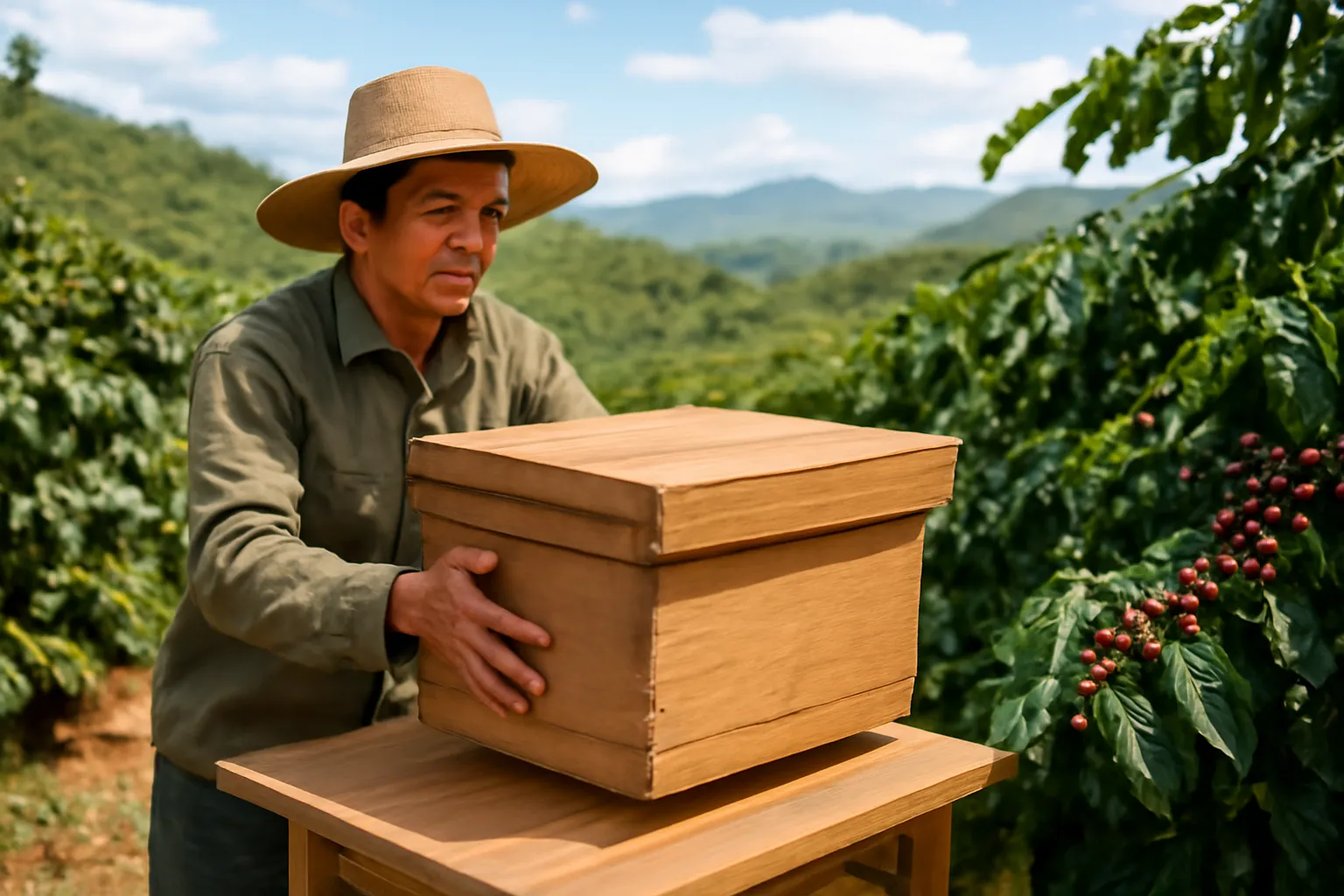
Buy a Stingless Bee Colony in Lam Dong: Price and Pickup
A starter stingless bee colony from Ong Moc, our farm in Ta Dung, Lam Dong, costs 2.900.000₫. You collect it in its closed box at the farm, ideally on
Why Not Take a Wild Stingless Bee Colony From the Forest
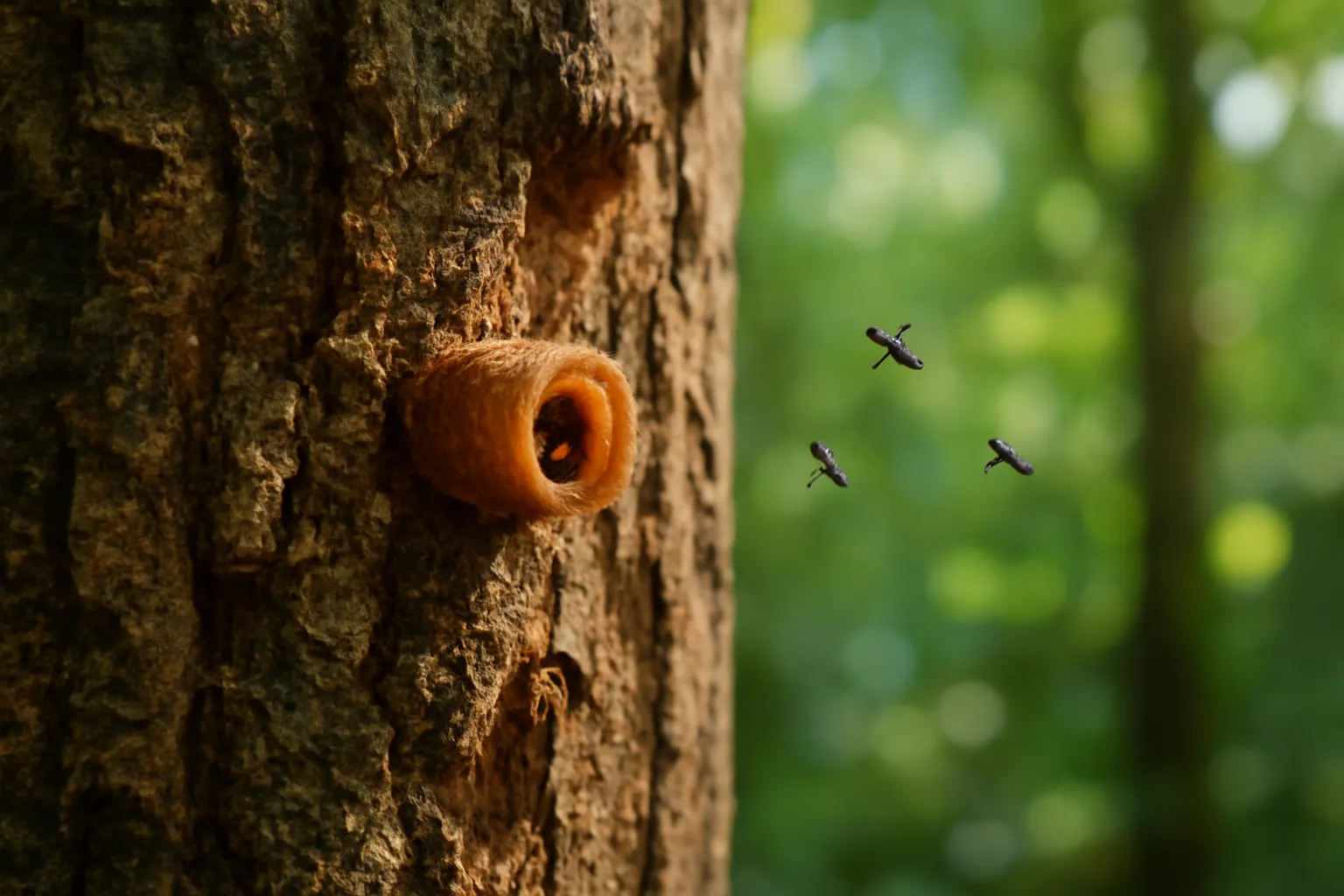
Cutting a wild stingless bee nest out of a forest tree usually kills the tree section, often kills the colony, and removes one of the forest’s own pol
Stingless Bees for a Coffee Farm: Is It Worth It?
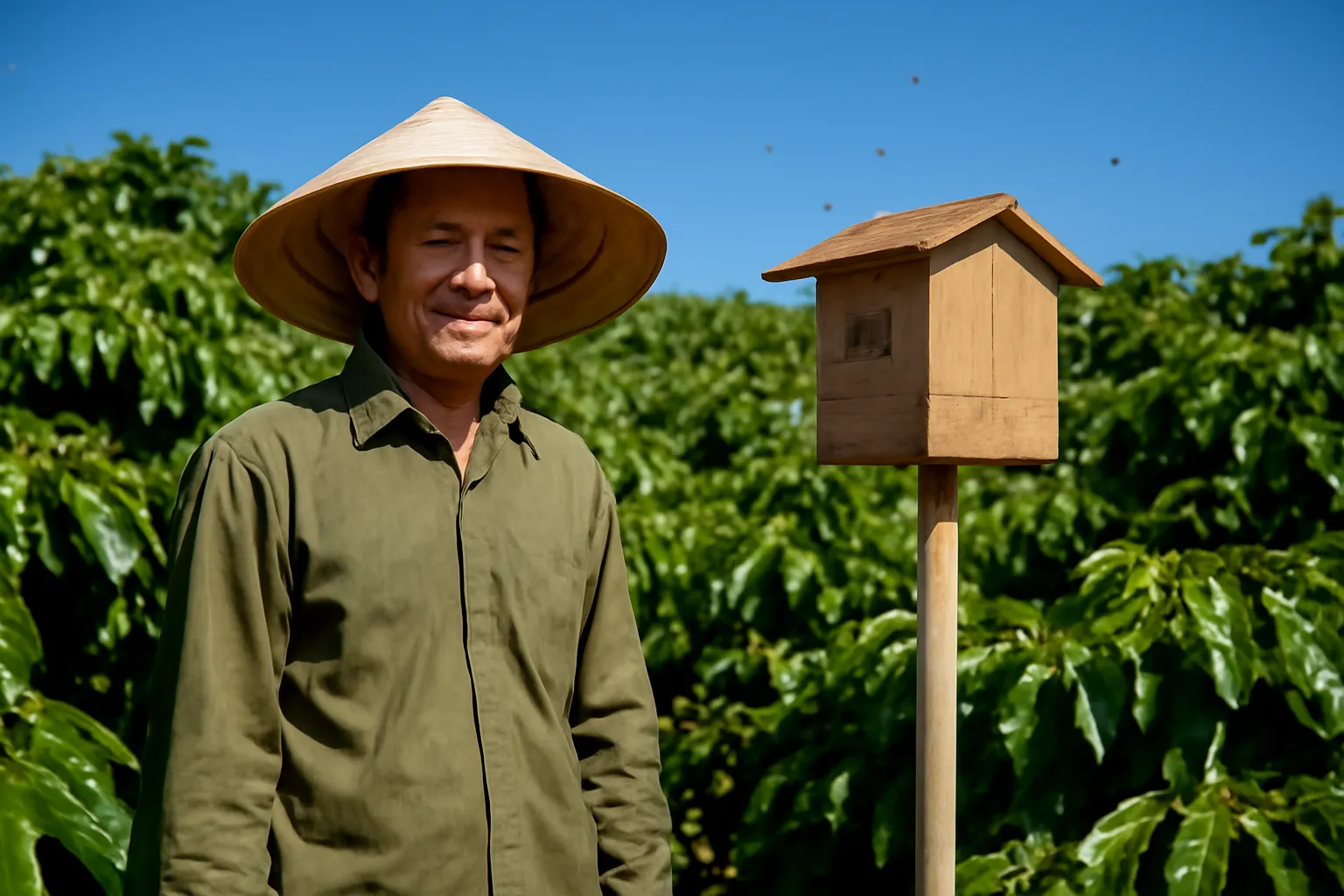
A few stingless bee colonies can sit happily on a coffee farm and work the blossom, but only if the farm’s spraying habits change to protect them. Whe
Lisotrigona: The Smallest Stingless Bee, Explained
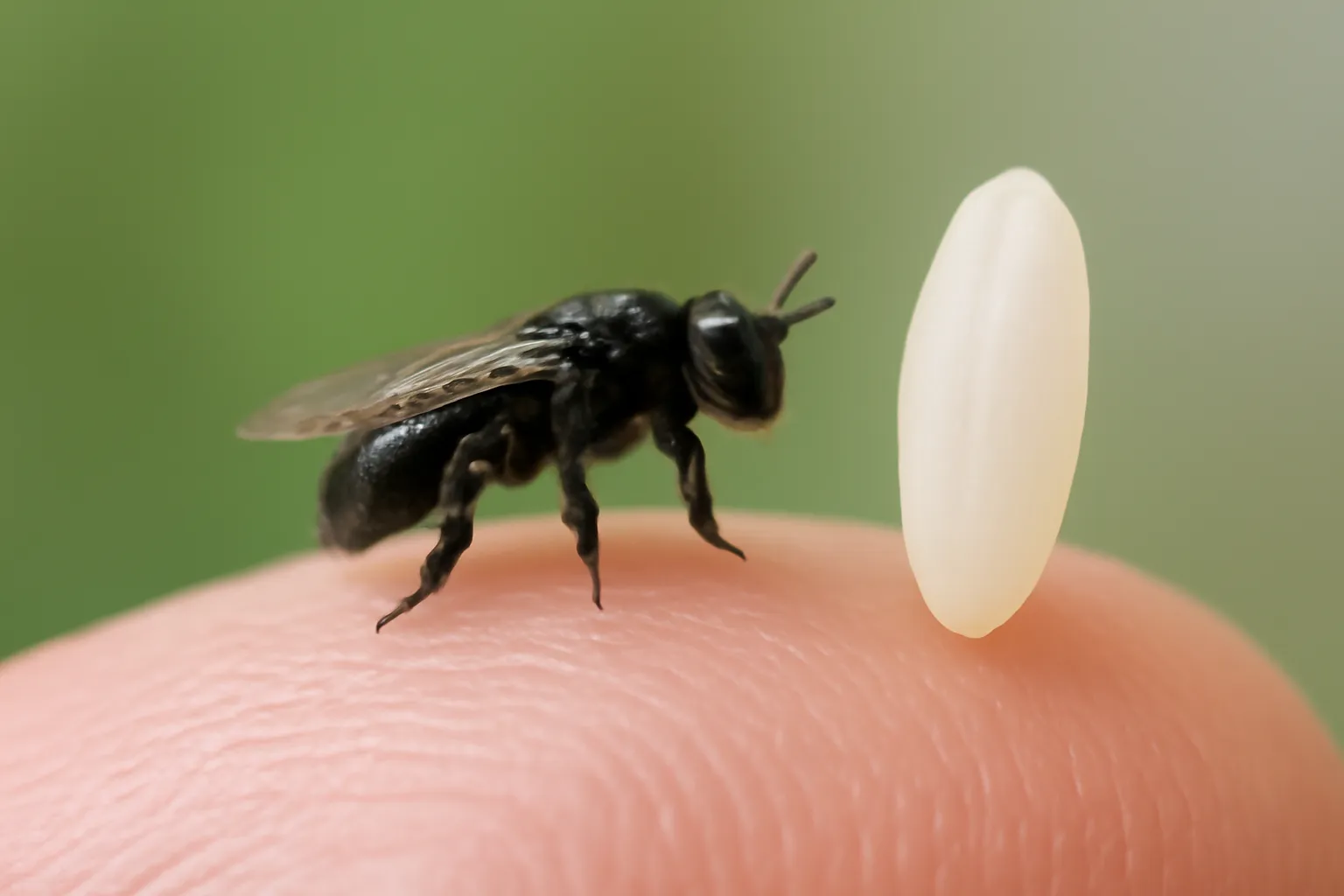
Lisotrigona is a genus of stingless bees so small that a worker is shorter than a grain of rice. They live in small colonies, store very little honey
Settling a Stingless Bee Colony in the Rainy Season
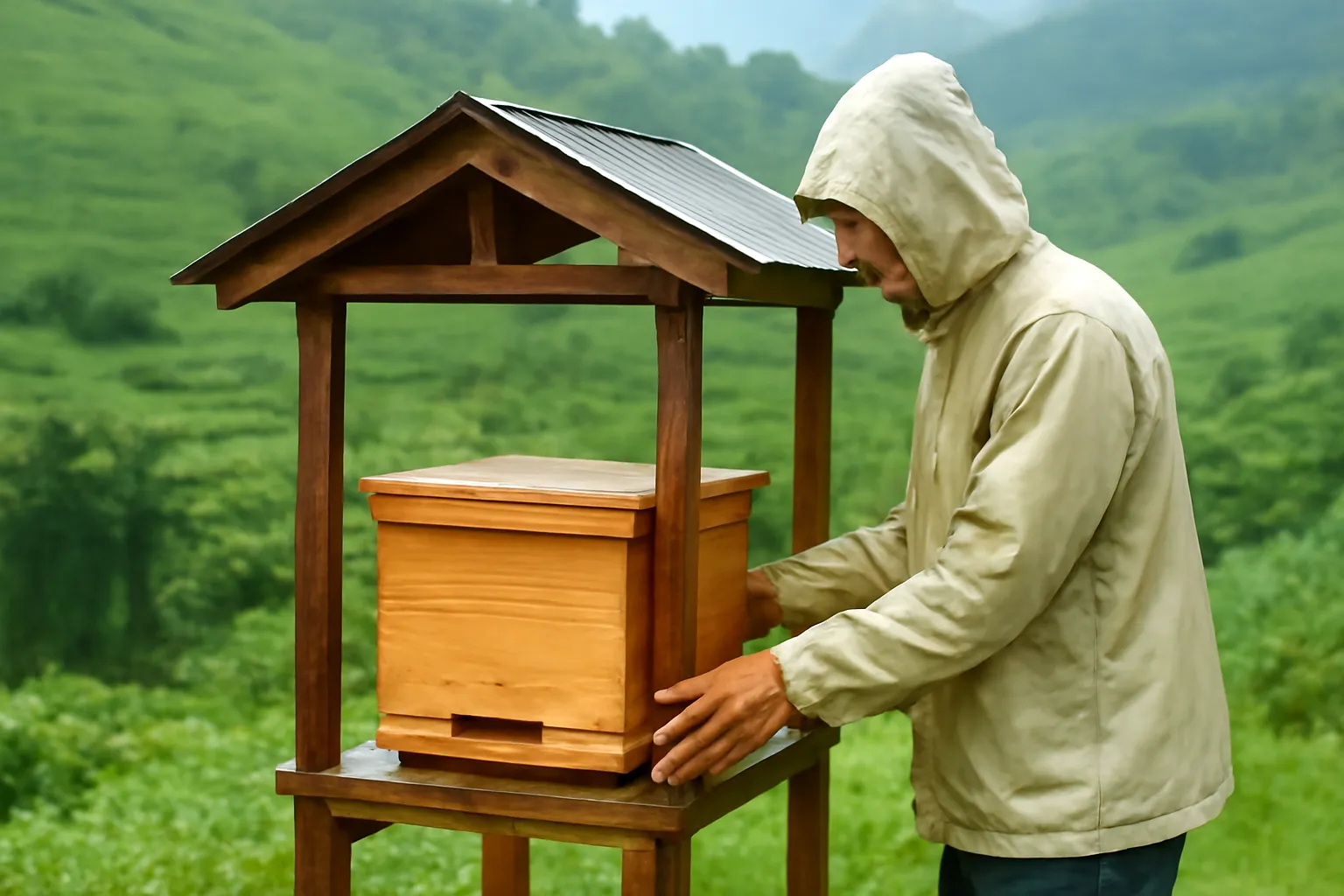
You can settle a new stingless bee colony during the rainy season, but the risks are real: a wet box, little forage and a colony living on its stores.
 ›
×
›
×

MoraBee is the international name of Ong Moc, a stingless bee farm in Ta Dung, Lam Dong, among forest and coffee gardens: unblended honey in clean jars, starter colonies, and farm visits.
Vietnamese stingless bee honey from the highlands
A brand by Tên Miền Đẳng Cấp
© 2026 MoraBee. All rights reserved. · Copyright · OD-3864-C503