
When Do Stingless Bees Start Flying in the Morning?
Stingless bees start flying in the morning once the air around the hive has warmed and sunlight reaches the entrance, not at a fixed hour. In the hot lowlands of Vietnam that can be soon after dawn; on a misty morning in the highlands it may be mid morning or later, and on a cold grey day there may be only a few flights. A late start in cool weather is normal behaviour, not a sign that the colony is in trouble.
Stingless bees are tiny, which means they lose body heat quickly. Larger honey bees can warm their flight muscles by shivering and fly in cooler air; small stingless bees such as Tetragonula are more dependent on the warmth around them. So the first flights of the day are a good little weather report, and learning to read them saves you from opening hives that do not need opening.
Why misty mornings keep the foragers in
At our hives near Ta Dung, a typical cool-season morning begins with cloud sitting on the slope. The entrance tubes are wet with dew, the wood is cold, and the only movement is a few guard bees standing at the mouth of the tube. Nothing is wrong. The foragers are inside, waiting for conditions that make flying worth the energy.
Two things seem to matter most: temperature and light. A forager that leaves the nest into cold, saturated air has to spend a lot of energy just to stay airborne, and her flight muscles work poorly when cold. Light matters because bees navigate by the sun and by visual landmarks; in thick mist, finding the way out and back is harder. When a shaft of sunlight hits the entrance, you often see activity pick up within minutes, even while the rest of the slope is still grey.
Flowers keep their own hours as well. Many blossoms open or release nectar as the day warms, and dew-soaked flowers offer little until they dry. Bees that wait are not being lazy; they are arriving when there is something to collect.
On the hottest lowland mornings, the pattern can flip: bees work early, slow down in the fierce midday heat, and pick up again in late afternoon. In the hills the main working window is usually the warmest part of the day. Knowing which pattern your site follows helps you choose when to look at the hives.
How to read the first flights at the entrance
Guards only, no traffic. On a cold or misty morning this is the expected picture. Check again later when the sun is out before drawing conclusions.
A few slow, hovering bees. Early flights are often short orientation or cleaning trips: bees circle in front of the entrance, drop debris and return. Foraging comes later.
Traffic rising with the sun. When the first sun reaches the entrance and traffic steadily increases, the colony is responding normally to the weather.
Pollen coming in. Bees landing with coloured loads on their hind legs are bringing pollen, which feeds the brood. It is one of the best signs of a working colony.
Resin on the legs. Some foragers carry shiny, sticky resin instead of pollen. They are collecting building material, often from nearby trees, which a healthy colony always needs.
Traffic on a warm day, then nothing next door. If one hive is busy and its neighbour on the same stand is silent at the same hour, that difference is worth a closer look than any absolute count.
Bees fighting at the entrance. Clusters of bees grappling on the tube can mean robbing by another colony or an intruder. Watch for it particularly in lean weeks.
Ants on the tube or stand. Ants moving up the stand are a real threat. Clean the barrier on the legs and remove any grass or twig touching the hive.
Dead bees in a small heap below. A few dead bees are normal housekeeping. A sudden pile can point to spraying nearby, an attack or another problem worth investigating.
A blocked or narrowed tube. Colonies narrow their entrance with resin in cool or threatening periods. Do not scrape it open; the bees know what size they need.
No traffic on a warm, bright afternoon. This is the situation that genuinely calls for a careful look inside, because the weather is no longer an explanation.
Activity long after the neighbours stop. A colony still flying hard in late afternoon is often strong and well stocked. Make a note; it may be a good candidate for splitting in the right season.
Placing hives so they wake up sooner
You cannot change the weather, but you can change how quickly the weather reaches the hive. The simplest step is to face the entrance roughly towards where the sun rises, so that the first light lands on the tube rather than on the back of the box. On a slope, that may mean placing hives on the east-facing side of a hedge or tree line.
Avoid hollows. Cold air drains downhill on still mornings and collects in dips and valley floors, which is why mist lingers there. A hive placed a little higher on the slope can be several minutes or more ahead of one in the hollow, simply because it sits in warmer air.
Shade needs a light hand. In the lowlands, keepers rightly worry about midday heat and give hives heavy shade. In the highlands, a hive in full, constant shade may stay cold and damp all day. Many keepers use dappled shade, or shade that covers the hive in the hottest hours but leaves the morning sun.
Finally, keep the hive dry. A wet box loses heat faster than a dry one. A roof overhang, a slight forward tilt and a stand that lifts the hive out of splash all mean the colony spends less energy fighting the damp and more on getting out to the flowers.
Common mistakes when bees seem slow to start
Opening the hive to check. Lifting the lid on a cold morning lets out warmth the colony worked hard to keep. If the weather explains the quiet, wait.
Comparing with the lowlands. A colony that flies at seven in Saigon may fly at ten in Lam Dong. Compare hives on your own site, at the same hour, in the same weather.
Moving the hive into full sun. A hasty move confuses returning foragers, who fly back to the old spot. If a hive needs moving, do it gradually or at night over a distance.
Scraping the entrance wider. The colony narrows its tube deliberately. Opening it makes it harder to defend and to keep warm.
Adding heat. Heating stingless bee hives is not usual practice and can do harm. A dry, sheltered box in the right position is the realistic answer.
Feeding because they are not flying. A quiet morning does not mean a hungry colony. Feeding sugar on impulse can introduce syrup into the honey pots.
Ignoring a warm-day silence. The opposite mistake: assuming the weather explains everything. On a warm, sunny afternoon, no traffic is a real warning.
Watching from too close. Standing directly in the flight path makes bees detour and can look like low activity. Watch from the side, a step back.
Reading one morning only. A single observation tells little. Two or three mornings in similar weather give a far more reliable picture.
Forgetting the guard bees. A few bees at the tube mouth even on cold days show the colony is alive and defending. Their absence is more concerning than slow traffic.
Blaming the colony for poor forage. Sometimes bees are slow because there is little in flower. Note what is blooming nearby before deciding a colony is weak.
Morning flights through the highland year
In the dry season, roughly from late in the year into spring, highland mornings are often clear and cold, then warm quickly under a strong sun. Bees may start a little late but then work with real energy, especially when the coffee is in flower. This is the season when entrance traffic is easiest to read and most rewarding to watch.
As the rains arrive, mornings change. Cloud sits on the hills, afternoons bring showers, and the flying window can shrink to a few hours around midday. Some days there is almost none. Keepers who expect the dry-season pattern all year often worry needlessly during these months.
The edges of the seasons are the most changeable. A bright morning can turn to drizzle within an hour, and colonies respond by sending out foragers in short bursts. Watching which hives go out quickly in those gaps, and which stay in, tells you something about how strong and well supplied each colony is.
Over a full year, a simple habit helps: note the time you first see steady traffic on the days you visit the hives, alongside the weather. After a season or two, you will know what normal looks like on your own slope, and that knowledge is worth more than any general rule.
Frequently asked questions
What time do stingless bees wake up?
There is no fixed time. Stingless bees begin flying when the air warms and light reaches the hive, which in the tropical lowlands is often soon after sunrise and in cool highland weather can be mid morning or later.
Do stingless bees fly in the rain?
Very little. Rain and heavy mist make flight costly and navigation hard for such small bees, so most foragers stay inside, using stored honey and pollen until the weather clears.
Why are my stingless bees not coming out of the hive?
On cold, wet or misty days this is normal. If the weather is warm and sunny and there is still no traffic, check for ants, damage, spraying nearby or other problems, ideally with an experienced keeper.
Should a stingless bee hive face east?
Facing the entrance roughly towards the morning sun is a common and sensible choice, especially in cool climates, because it warms the entrance early. Shelter from the prevailing wind is equally important, so balance the two.
Do stingless bees fly at night?
Generally no. They are active during daylight and return to the nest by dusk. A few bees may stay at the entrance as guards, but foraging stops in the dark.
Written by the team behind a working stingless bee farm about 40 km from Ho Chi Minh City, Vietnam. Articles come from day-to-day work at the farm; technical figures are stated as ranges, not promises.
About the team →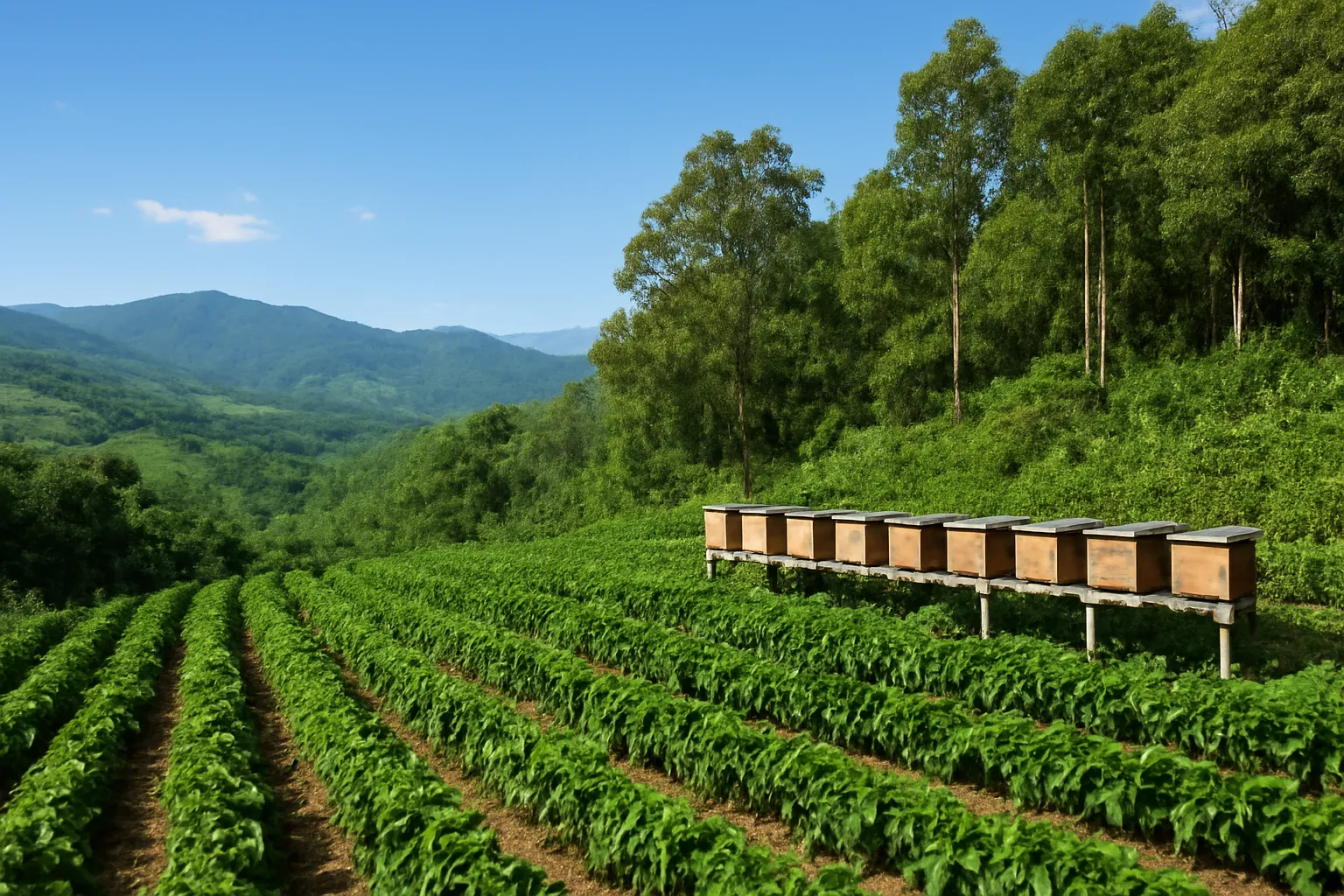
Stingless Beekeeping in the Central Highlands of Vietnam
Stingless bees do well in the Central Highlands, but the cool mornings, long wet season and coffee bloom change the work: drier hives, better roofs, a
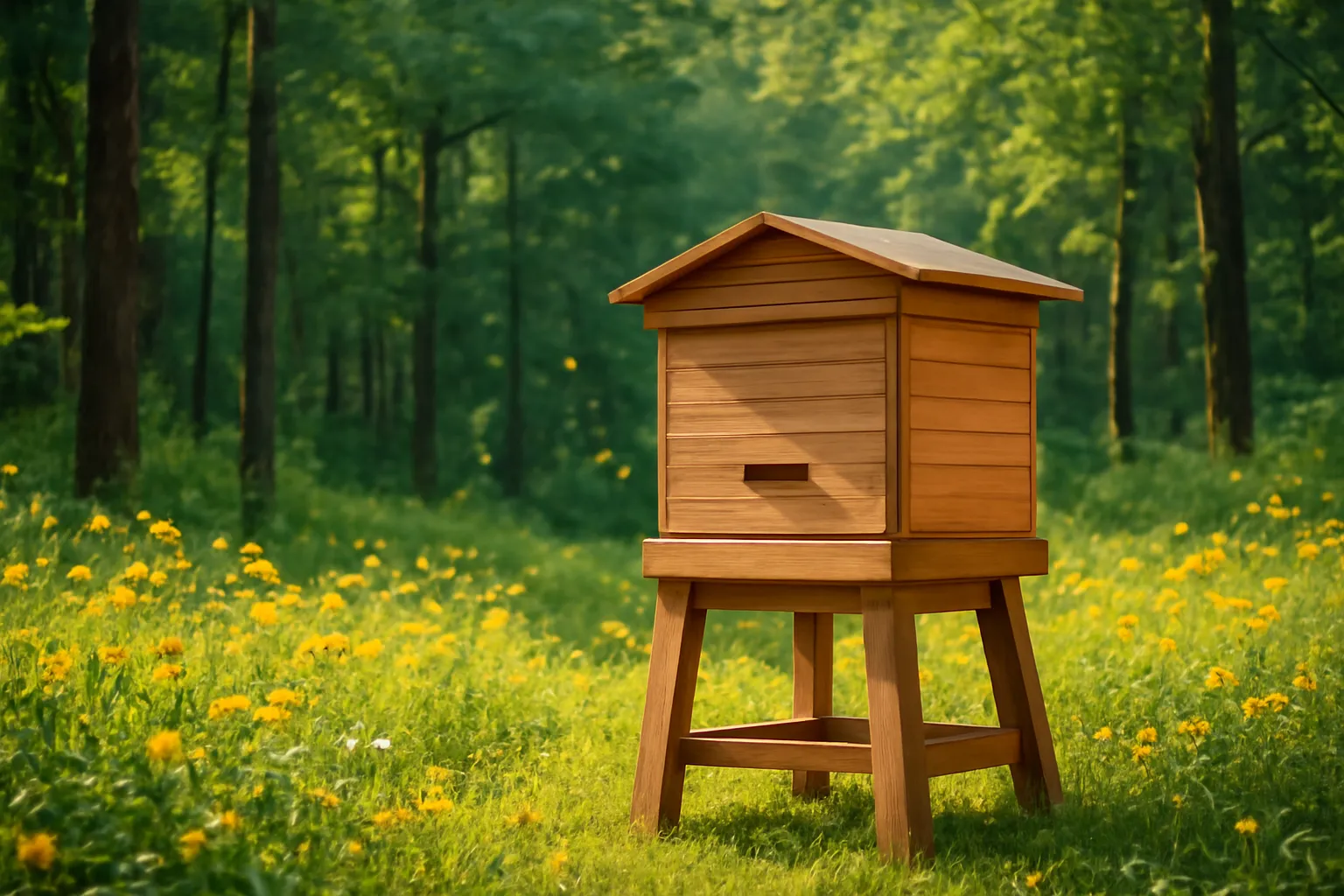
Placing Stingless Bee Hives Near a Forest Edge
The best place for stingless bee hives near forest is the edge, not deep inside: morning sun, mixed flowers and resin trees, shelter from wind, and le

Condensation and Humidity in a Stingless Bee Hive
Condensation forms when warm, moist air from the colony meets a cold lid. In wet highland months, a thicker or insulated lid, a wide roof and a slight
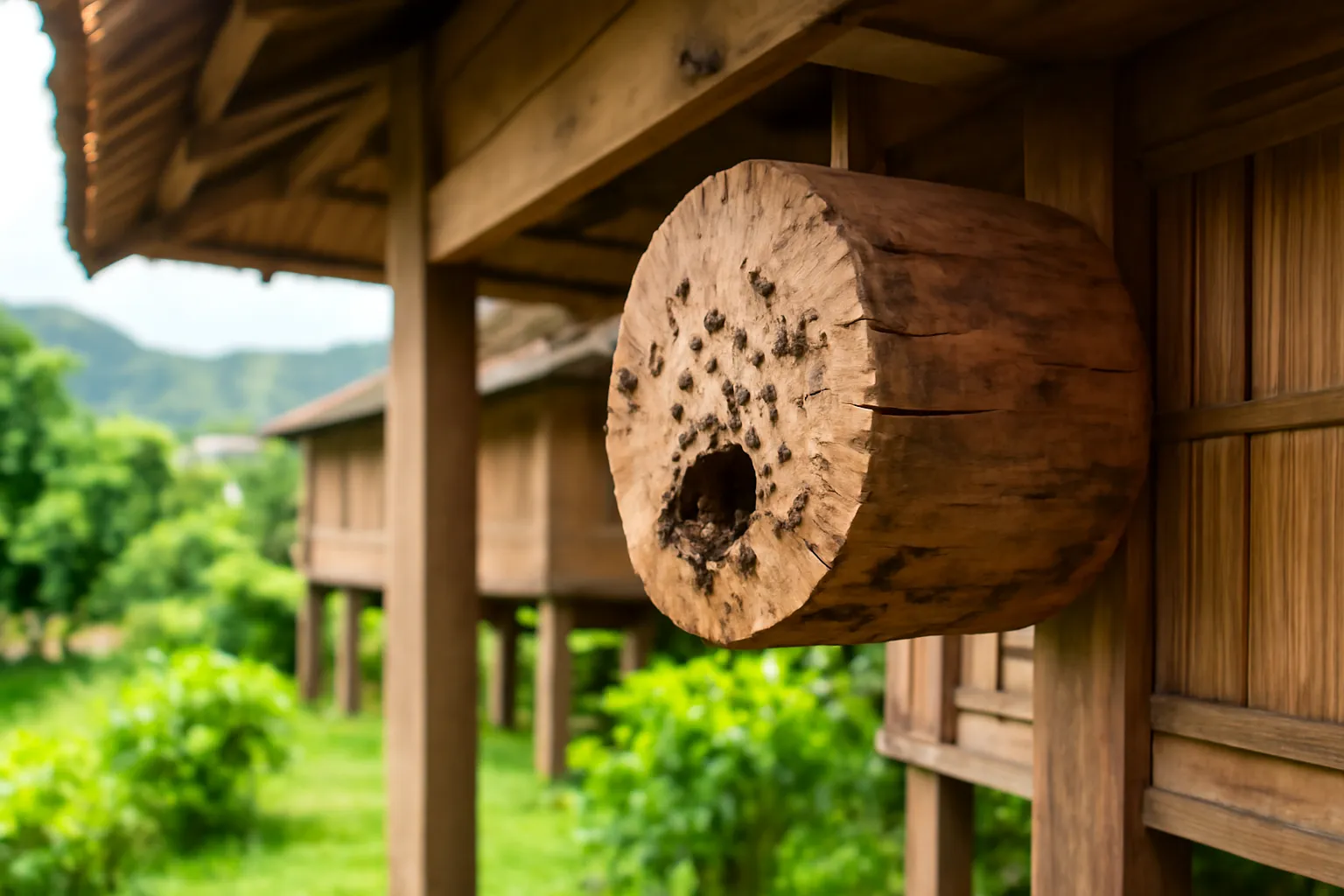
Traditional Stingless Bee Log Hives in Vietnam
Before wooden boxes, rural households in Vietnam kept stingless bees in hollow logs and bamboo tubes hung under the eaves. Those hives taught keepers
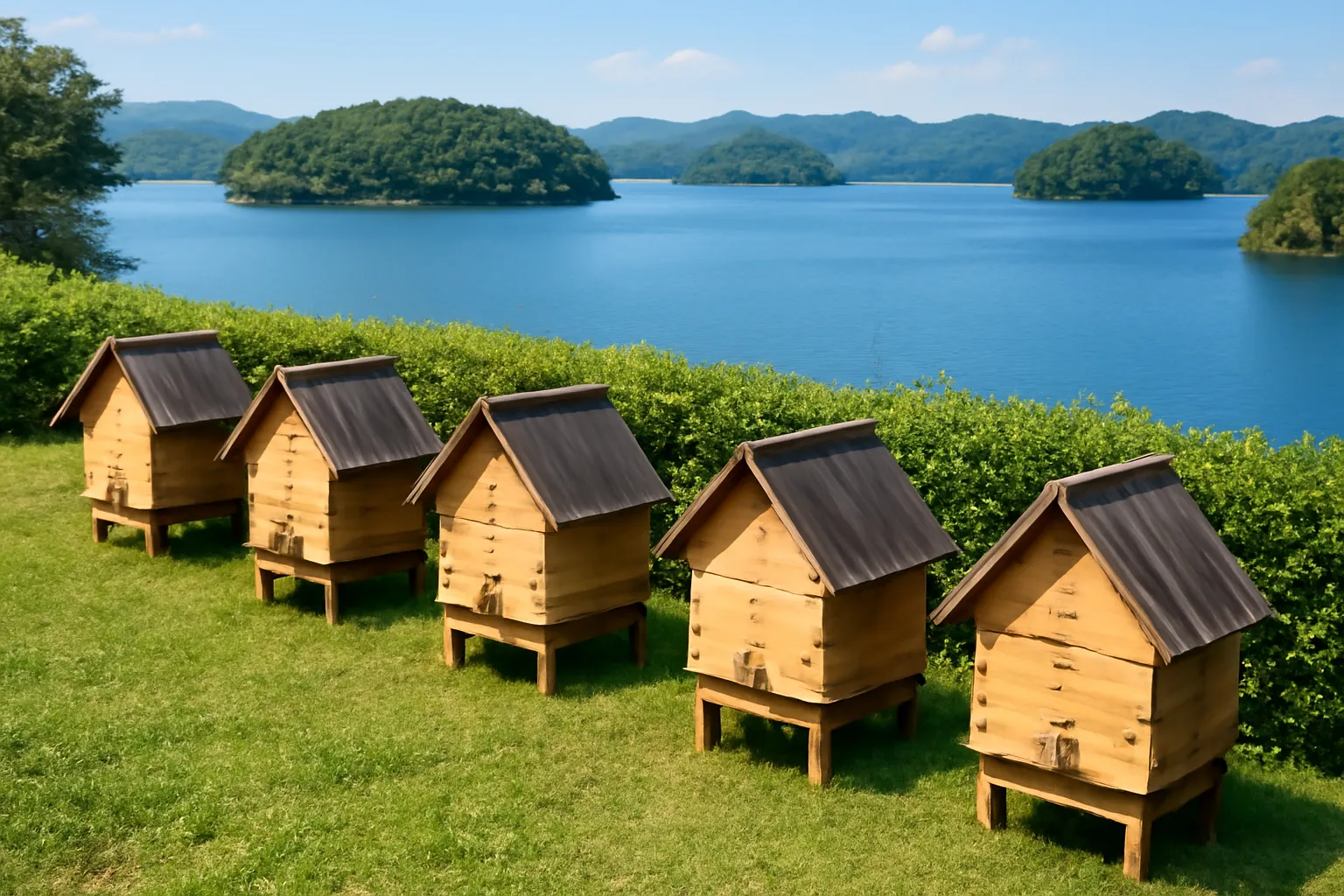
Windy Sites and Stingless Bee Hives Near a Lake
Strong lakeside wind makes life hard for tiny stingless bee foragers. Shelter hives behind a hedge, face entrances away from the prevailing wind, stra
 ›
×
›
×

MoraBee is the international name of Ong Moc, a stingless bee farm in Ta Dung, Lam Dong, among forest and coffee gardens: unblended honey in clean jars, starter colonies, and farm visits.
Vietnamese stingless bee honey from the highlands
A brand by Tên Miền Đẳng Cấp
© 2026 MoraBee. All rights reserved. · Copyright · OD-3864-C503