Stingless Beekeeping in the Central Highlands of Vietnam
Yes, stingless bees can be kept well in the Central Highlands of Vietnam, but the hills ask for a different rhythm than the hot lowlands. Mornings start cold and misty, the wet season is long and soaking, and forage arrives in big pulses, the coffee bloom above all, rather than a steady trickle. A highland keeper spends less effort on keeping hives cool and far more on keeping them dry, sheltered and left in peace.
In Vietnamese these bees are called ong dú: tiny, dark, stingless bees of the tribe Meliponini (a group of social bees found across the tropics that have lost the ability to sting). The species most kept in Vietnam belong to the genus Tetragonula. They store honey in small wax pots rather than the hexagonal comb of the familiar honey bee, and they make very little of it, which is part of why it is prized.
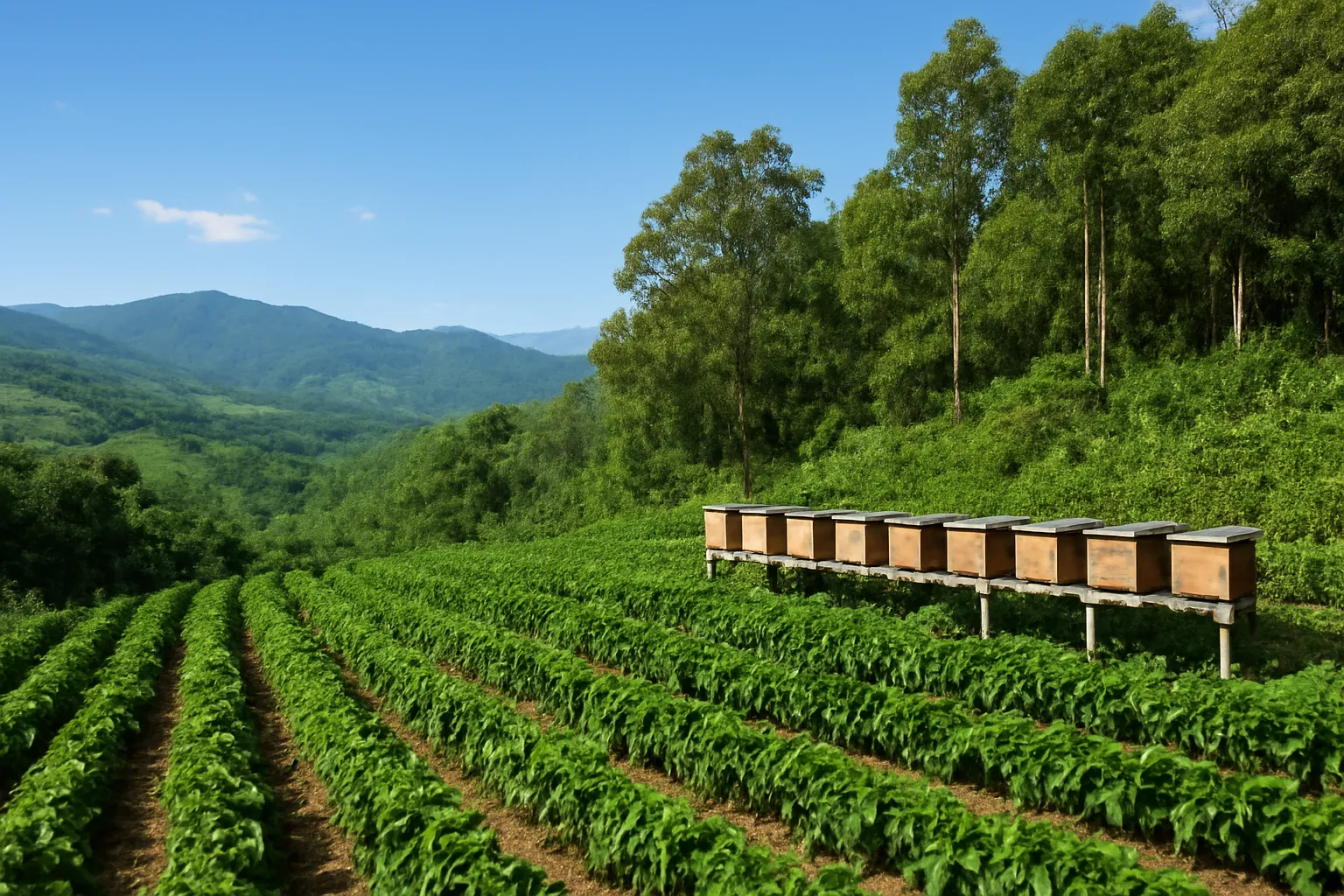
This article is written from the forest edge near Ta Dung, in Lam Dong province, where our hives sit between old trees and coffee gardens. It is meant for anyone who knows a little about stingless bees from the south of Vietnam, or from elsewhere in the tropics, and wants to understand what the uplands change.
What actually changes when stingless bees move uphill
The first thing a lowland keeper notices in the hills is time. In the hot south, foragers are out soon after first light and work until dusk. In the highlands, a colony can sit quietly behind its entrance tube until the sun has burned through the mist, then fly hard for a few warm hours in the middle of the day. The working day is shorter, and on grey days it may barely happen at all. That is normal, not a sign of a weak colony.
The second change is water. Lowland heat dries everything quickly; in the hills, damp lingers. Wood stays wet for days after rain, clouds sit on the slopes, and the inside of a hive can collect condensation under the lid. Stingless bees cope with humidity better than many people expect, because they seal and manage their nest with cerumen (a mix of their own wax and plant resin), but a box that leaks or sits in a puddle will slowly lose ground.
The third change is the shape of the year. Instead of flowers trickling in all year, the highlands have bursts: coffee flowering across whole hillsides in the dry season, wild shrubs and forest trees at the edges of the rains, then long stretches where the bees mostly hold on. A colony that went into the wet season strong comes out fine. A colony that went in weak, or was harvested too hard, may not.
What does not change is the basic nature of the bee. Stingless bees still defend by biting and crawling into hair rather than stinging, still build their brood as a cluster of small cells in the middle of the nest, and still surround it with pots of honey and pollen. Everything you learned about not disturbing the brood, keeping ants out and moving hives gently still applies. The hills just add weather to the list.
For readers outside Vietnam, it helps to know that the Central Highlands are not alpine. They are rolling uplands of red basalt soil, forest, coffee, pepper and fruit, cooler and wetter than the coastal plains but still tropical. Frost is not the problem here. Long cool, wet spells are.
Differences a lowland keeper notices in the first highland year
Later starts. Foragers often wait until the air warms and the sun reaches the entrance. Facing the hive towards the morning sun buys real flying time.
Shorter flying days. Bees may work intensely from late morning to mid afternoon and then go quiet, especially when clouds roll in after lunch, as they often do in the rainy months.
Wet wood. Boxes, stands and lids stay damp for days. Untreated thin timber can warp or grow mould where water sits on it.
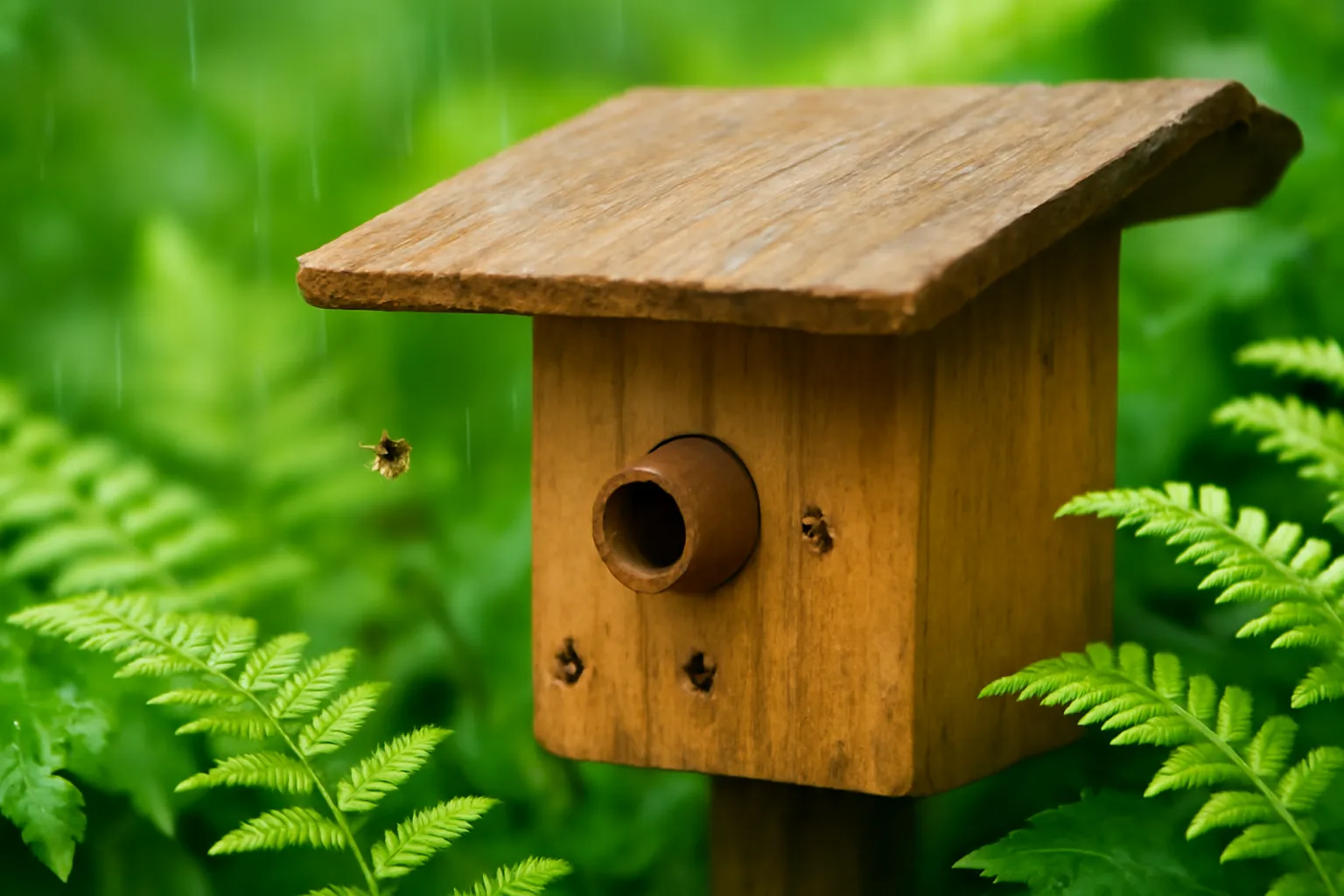
Condensation inside. Warm, moist air from the colony meets a cold lid and turns to droplets. A thicker or insulated lid and a roof overhang help more than drilling holes.
Slower build-up. A new colony in the hills often takes longer to fill its box than the same colony would in the hot south. Judge it over seasons, not weeks.
Big forage pulses. When coffee blooms across a valley, flight activity jumps and pollen pots fill quickly. Between pulses, the colony mainly maintains itself.
Lean wet-season weeks. During long rainy spells the bees cannot fly much and draw on their stores. This is the main reason not to harvest heavily before the rains.
Fewer heat problems. Overheating, a constant worry on lowland rooftops, is rarely the issue here. Full shade is unnecessary and can make a hive colder and damper.
Different pests in different weeks. Ants are active almost everywhere; small flies and beetles that exploit weak colonies tend to take advantage of damp, opened or damaged boxes.
Wind matters more. Open slopes and lakeshores catch gusts that tiny foragers struggle against. A hedge or a line of shrubs is worth planting before the hives arrive.
Honey with a highland character. Taste follows the flowers, so honey after the coffee bloom or from forest-edge shrubs can taste noticeably different from lowland orchard honey. It varies year to year.
A slower keeper. Most highland keepers end up opening hives less often. Cold air rushing into an opened nest costs the colony warmth it worked to keep.
Why the forest and the coffee make the hills worth it
If the highlands are harder on the bees in some ways, why keep them here at all? The answer is forage. A forest edge offers a mix that a single orchard never can: flowering shrubs and vines in the open strip, tall trees whose blossom comes at different times, and resin sources that the bees use to build and seal their nest. Stingless bees need resin almost as much as nectar and pollen, and old trees supply it.
Coffee adds a different kind of abundance. When a coffee garden flowers, it does so all at once, white and fragrant, often within days of the first good rain or watering in the dry season. For a short window there is far more nectar and pollen than the colony can collect. That window is short, so a hive placed within easy flying distance of the rows makes the most of it. Stingless bees are small and do not fly as far as honey bees, so closeness matters.
The arrangement also works the other way. Coffee is largely self-pollinating, but bee visits are widely reported to help fruit set, and growers who keep bees tend to pay closer attention to how and when they spray. That conversation, about timing, label instructions and keeping sprays away from flowering hours, is one of the most useful things a keeper in a farming district can have with the neighbours.
Then there is the idea behind our Vietnamese name, Ong Moc. Moc means unvarnished, nothing added and nothing taken away. In practice it means we do not feed sugar to make honey, we do not blend honey from different places to make it look consistent, and we harvest only what the colony can spare. In the hills, where the bees depend on their stores through long wet spells, that restraint is not a slogan. It is how the colonies survive.
Setting up a highland apiary: what we would do again
Raise every hive. A stand at a comfortable working height keeps boxes out of splash, puddles and grass where ants travel. It also makes inspections easier on the back.
Give each hive its own roof. A wide lid or a small sloping roof that throws rain past the walls of the box does more for the colony than any treatment of the wood.
Tilt slightly forward. A box that leans a little towards its entrance lets any water that gets in run out instead of pooling inside.
Face the morning sun. An entrance that catches early light warms first and gets the foragers moving sooner on cool days.
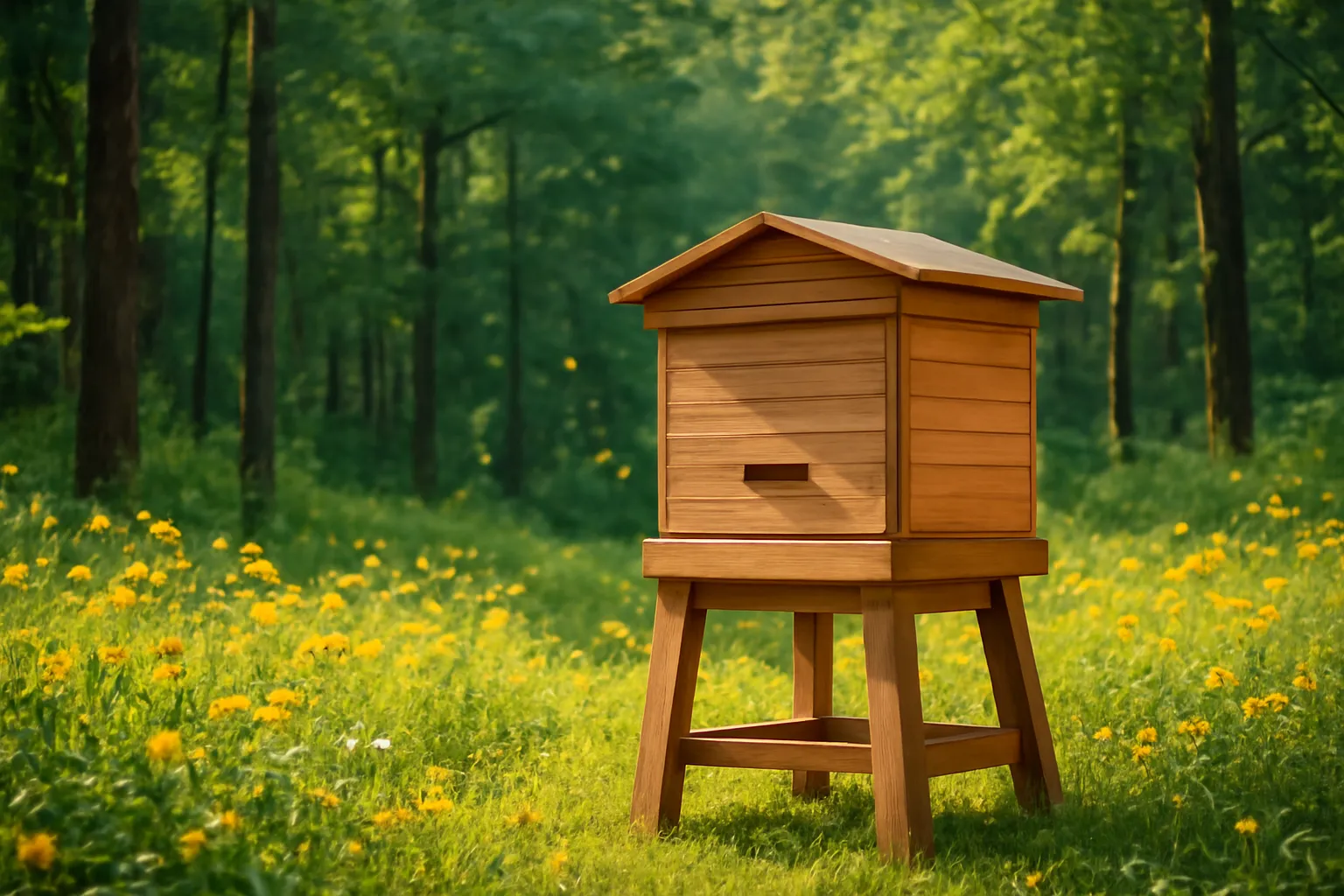
Use the forest edge, not the forest floor. Deep shade under tall trees stays cold and wet. The boundary between trees and open ground gives light, shelter and forage together.
Plant a windbreak early. Shrubs take time to grow. Planting them before or with the hives saves a year of struggling foragers on gusty slopes.
Ant-proof the legs. A simple barrier on each stand leg, kept clean of grass and leaves that make bridges, prevents most ant raids.
Keep spacing generous. Hives too close together confuse returning foragers and make robbing between colonies more likely, especially during lean weeks.
Talk to neighbours about spraying. Ask growers which products they use and when. Agree to keep spraying away from the hours bees fly, follow the label and respect withholding periods.
Record weather with your notes. A line like "misty until ten, rain after two" next to each inspection makes later patterns much easier to see.
Start with fewer colonies. Two or three hives teach you how your particular slope behaves before you commit to more boxes, stands and time.
Never take colonies from the forest. Buying or splitting propagated colonies protects wild nests in old trees, which are part of what makes the highland forage rich.
The pace of a highland keeper
Keeping stingless bees in the hills rewards a certain temperament. You open hives on warm, dry middle days, not on cold mornings because that is when you happen to be free. You accept that some months the honey pots barely grow. You learn to read activity at the entrance instead of lifting the lid to reassure yourself.
You also accept that you will not control everything. A very long wet season, a failed coffee bloom or a spell of strong wind can set colonies back, and the keeper's job is mostly to make sure they have the stores, shelter and peace to recover. That is a different mindset from chasing yields.
If you visit us at Ta Dung, this is what you will see: hives that look plain, stands that are a little higher than you might expect, roofs a little wider, and keepers who spend more time watching than handling. None of it is spectacular. It is what works on a wet hillside.
If you are keeping bees elsewhere in the uplands of Southeast Asia, much of this will transfer. Look at your own mornings, rains and forage pulses, and adjust the details to them rather than copying a lowland routine.
Frequently asked questions
Is it too cold in the Central Highlands for stingless bees?
No. The Central Highlands are cool by Vietnamese standards but still tropical, and stingless bees live there naturally. The real challenges are long damp spells and short flying days, which call for dry, sheltered hives rather than heating.
Do highland stingless bees make more honey than lowland bees?
Not necessarily. Yield depends on colony strength, forage and weather in a given year, and highland colonies can lose many flying days to rain and mist. Honey from the hills often tastes different because of the flowers, but more is not guaranteed.
What does ong du mean?
Ong du is the common Vietnamese name for stingless bees, the small dark bees that defend by biting rather than stinging and store honey in wax pots. Names vary between regions of Vietnam, but ong du is the one most people recognise.
Should I feed my colony sugar during the rainy season?
Our approach is to avoid sugar feeding, because sugar syrup can end up in the honey pots and changes what the honey is. The better protection is to leave enough honey in the hive before the rains and to keep the colony dry and sheltered.
Can I visit a stingless bee farm in Ta Dung?
Yes, our farm Ong Moc is at 68 Thac Ba Tang road, Ta Dung commune, Lam Dong. Contact us first by phone or Zalo on +84 818 83 22 83 so we can suggest a dry, warm time of day when the bees are active.
Is highland honey safe for young children?
Honey of any kind should not be given to babies under one year old. For older children or anyone with a health condition such as diabetes, ask a doctor before making honey a regular part of the diet.
Written by the team behind a working stingless bee farm about 40 km from Ho Chi Minh City, Vietnam. Articles come from day-to-day work at the farm; technical figures are stated as ranges, not promises.
About the team →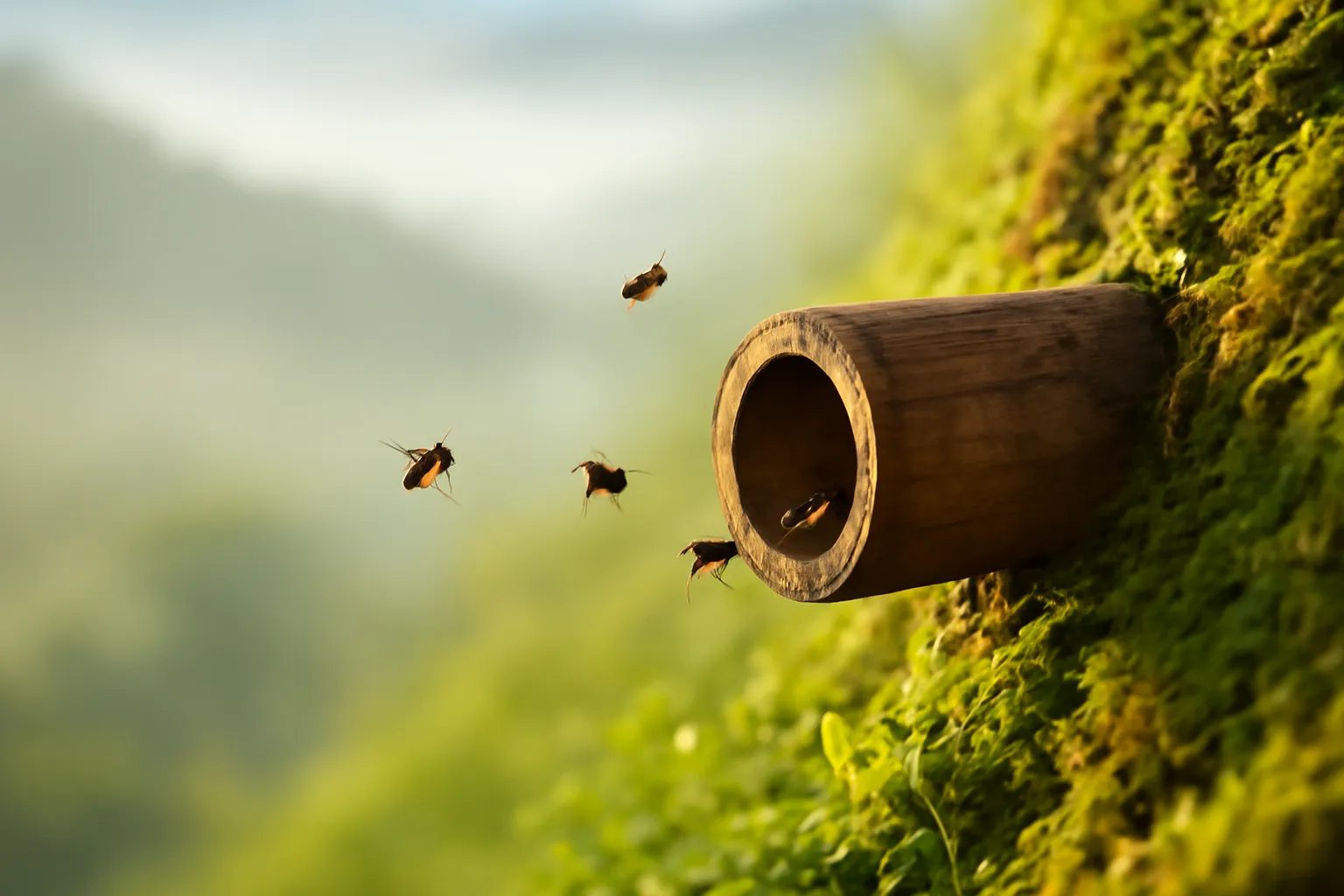
When Do Stingless Bees Start Flying in the Morning?
Stingless bees start flying once the air has warmed and light reaches the hive; on misty highland mornings that can be well after sunrise. Late, slow
Placing Stingless Bee Hives Near a Forest Edge
The best place for stingless bee hives near forest is the edge, not deep inside: morning sun, mixed flowers and resin trees, shelter from wind, and le
Condensation and Humidity in a Stingless Bee Hive
Condensation forms when warm, moist air from the colony meets a cold lid. In wet highland months, a thicker or insulated lid, a wide roof and a slight
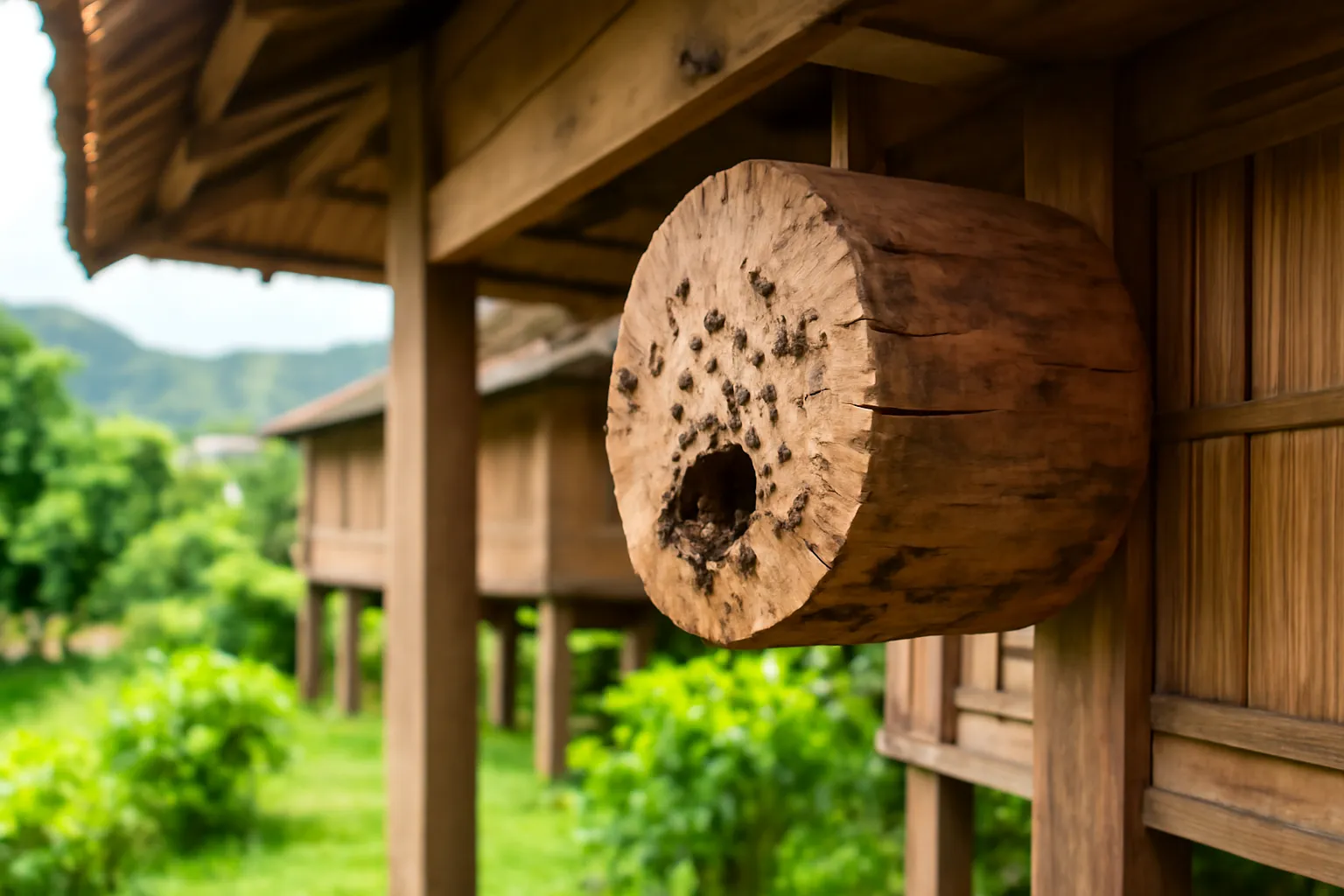
Traditional Stingless Bee Log Hives in Vietnam
Before wooden boxes, rural households in Vietnam kept stingless bees in hollow logs and bamboo tubes hung under the eaves. Those hives taught keepers
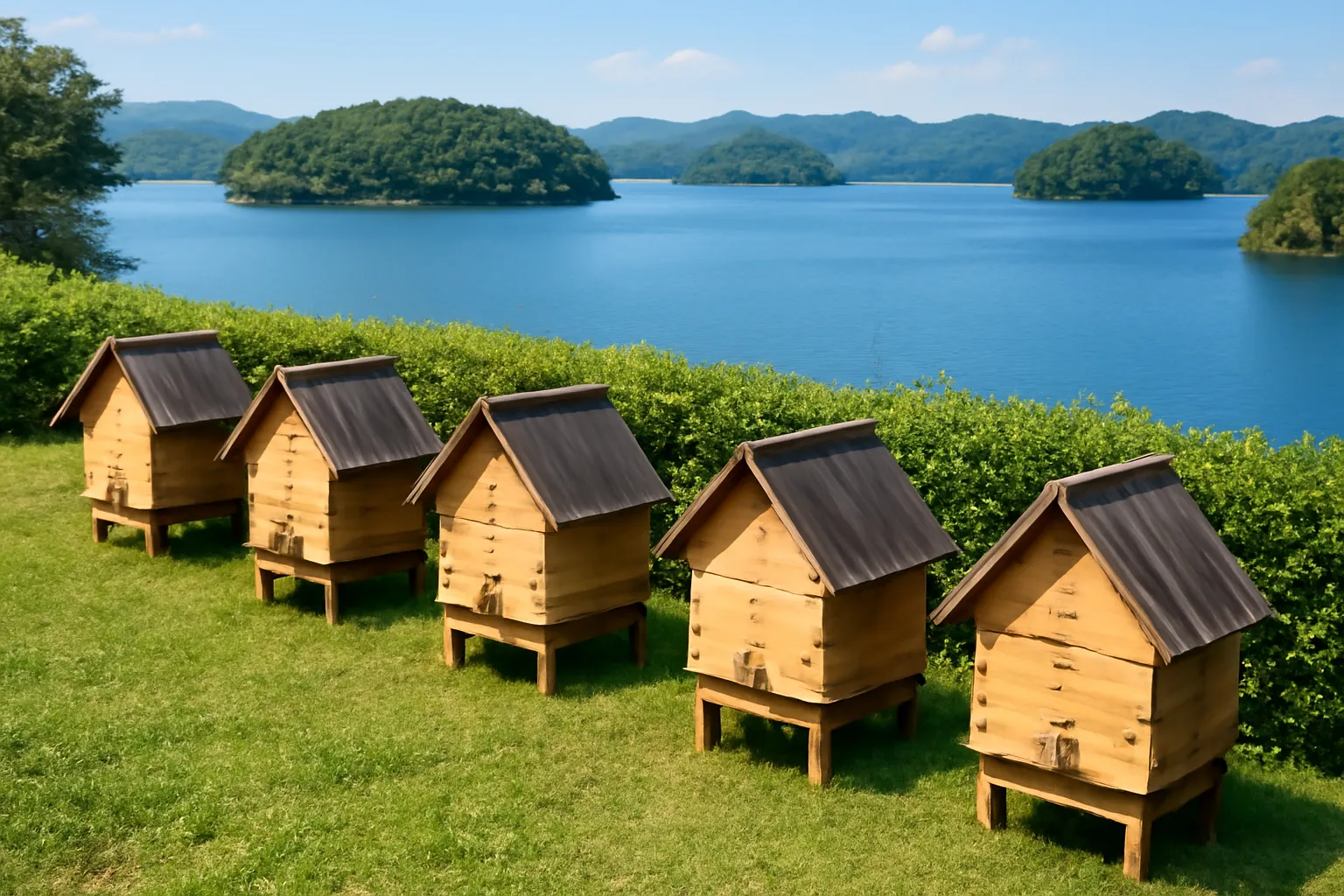
Windy Sites and Stingless Bee Hives Near a Lake
Strong lakeside wind makes life hard for tiny stingless bee foragers. Shelter hives behind a hedge, face entrances away from the prevailing wind, stra
 ›
×
›
×

MoraBee is the international name of Ong Moc, a stingless bee farm in Ta Dung, Lam Dong, among forest and coffee gardens: unblended honey in clean jars, starter colonies, and farm visits.
Vietnamese stingless bee honey from the highlands
A brand by Tên Miền Đẳng Cấp
© 2026 MoraBee. All rights reserved. · Copyright · OD-3864-C503