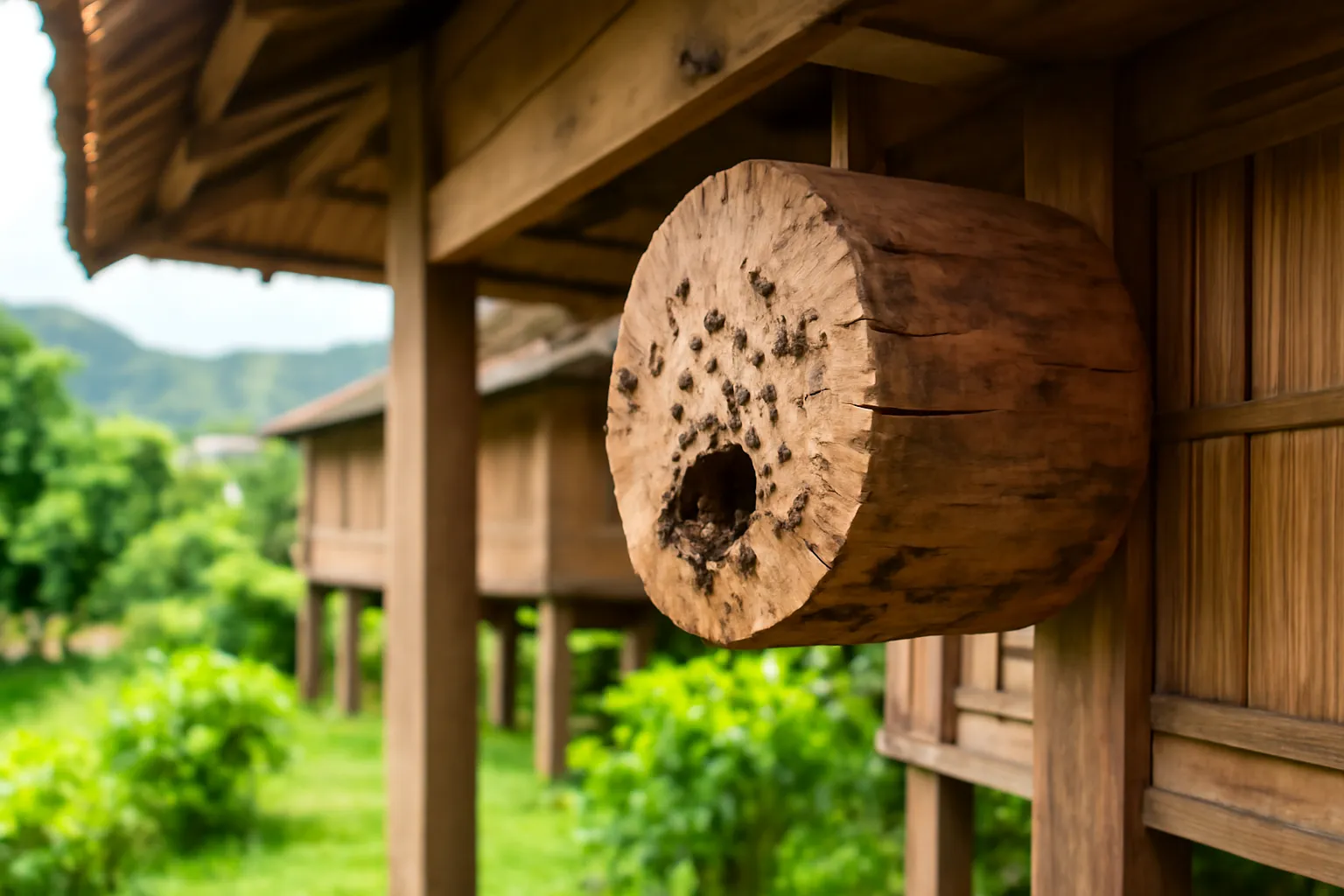
Traditional Stingless Bee Log Hives in Vietnam
Traditional stingless bee hives in Vietnam were usually hollow logs, sections of bamboo or other natural cavities, kept close to the house, often hung under the eaves or set on a shelf in the garden. Families harvested a little honey now and then by opening one end, and otherwise left the bees alone. Today most keepers use wooden boxes, because a box lets you see the nest, take honey without breaking the brood and split a strong colony into two, but the old log hives still teach a great deal about what these bees need.
This is a cultural explainer rather than a history book. Practices differed from village to village and family to family, and much of the knowledge was passed on by example rather than written down, so we describe the general pattern and avoid putting dates or names on it. Where something is uncertain, we say so.
How the log hive worked
Stingless bees nest naturally in cavities: hollow branches, gaps in tree trunks, sometimes walls or underground spaces, depending on the species. A hollow log is simply that cavity brought closer to home. In many rural places across Vietnam and Southeast Asia, a section of hollow trunk or a thick bamboo stem, closed at both ends with wood, clay or a plug of plant material, became a hive. The bees built their resin entrance tube through a small hole and furnished the inside as they would in a tree.
Placement followed common sense. Under the eaves, the log stayed out of direct rain and the worst of the midday sun, and the household could keep an eye on it. On a shelf or post in the garden, it was close to flowering fruit trees and vegetables. Logs were often hung or raised, which kept ants and ground damp at bay without anyone needing to explain the reason.
Harvest was occasional. When the log felt heavy or a family needed honey, someone opened one end, cut out some of the honey pots, and closed it again. Because the brood usually sits in the middle of the nest and stores around the edges, a careful hand could take honey from the end and leave the core intact. A careless one could damage the brood, spill honey that attracted pests, or weaken the colony badly.
The result was a low-yield, low-effort system that suited households keeping bees for their own table rather than for sale. Honey from such hives was a small, occasional treat, tart and runny, used sparingly in the kitchen.
What modern keepers still learn from log hives
Shelter beats treatment. The eaves of a house kept logs dry. A wide roof on a modern hive does the same job and matters more than paint or preservatives.
Raise the hive. Hanging logs kept ants and damp away. Raised stands with barriers continue that habit.
Leave the core alone. Taking honey only from the edges, never from the brood, is the most important lesson the log hive teaches.
Take little. Families harvested occasionally and lightly. Over-harvesting is still the fastest way to weaken a colony.
Stay close to flowers. Hives near gardens and fruit trees did well. Short flights to forage remain a priority for such small bees.
Watch the entrance. Keepers knew a colony by its traffic long before boxes made the inside visible. Reading the entrance tube is still the first check.
Thick walls help. A solid log holds warmth and buffers temperature changes. Modern boxes made from thin timber can learn from that.
Patience pays. Log keepers did not expect quick results. Stingless bee colonies grow slowly, and keepers who accept that do better.
Respect the resin. Logs showed how much the bees seal and coat their home. Modern keepers learn to leave that work in place.
Keep it near people who care. A log under the eaves was watched every day. Hives that are visited often are hives where problems are spotted early.
Variety in the landscape matters. Household gardens with many plants supported bees well. Diverse planting around hives still pays off.
Why wooden boxes replaced most of them
The main limitation of a log is that you cannot see inside it. You do not know how big the colony is, whether the brood is healthy, how much honey is stored or whether pests have moved in, until something goes visibly wrong at the entrance. A box with a lid that lifts off gives the keeper that view, with care and at the right time of day.
The second limitation is harvest. Cutting honey pots out of a log is messy, and honey spilt inside the nest can attract flies and other pests that thrive on damage. Boxes, especially those designed with a separate section for honey above or beside the brood, let keepers lift out full pots more cleanly and with less disturbance.
The third is propagation. A strong colony in a well-designed box can be split: part of the brood and some workers moved into a second box, where they raise a new queen. This is how keepers increase their colonies without taking wild nests from the forest. With a log, splitting is far harder and usually more destructive.
Finally, boxes are easier to move, repair and replace. A log that rots or cracks is difficult to rescue; a box can be rebuilt. For a farm that sells honey and starter colonies, those differences decide the matter.
Still, logs have not vanished. Some households keep them out of habit or affection, and some keepers keep one as a reminder of where the craft came from. If you come across one, it is a living thing, not a decoration.
If you have a log hive and want to move the colony into a box
Do not rush. Transfers are best done by someone who has done them before. A failed transfer can lose the whole colony.
Choose the right season. A time of good forage and dry, warm weather gives the colony the best chance to recover.
Work in the warm middle of the day. Cold, wet conditions make bees sluggish and brood vulnerable.
Find the brood first. The brood cluster is the heart of the colony. It must be moved intact and kept the right way up.
Keep the queen with the brood. In stingless bees the laying queen usually stays on or near the brood. Losing her is a serious setback.
Bring some stores. Moving a few sealed honey and pollen pots with the brood gives the colony food while it settles.
Avoid spilling honey. Spilt honey attracts pests. Work cleanly and remove broken pots from around the new hive.
Put the box where the log was. Foragers return to the same spot. Placing the box exactly there helps them find home.
Leave the log nearby for a short time. Some keepers leave the empty log close by briefly so stragglers find their way, then remove it to avoid confusion.
Protect from ants immediately. A disturbed colony is vulnerable. Barriers must be in place from the first hour.
Do not open the box for a while. Give the colony time to rebuild its tube and settle before looking inside.
Accept the risk. Even careful transfers sometimes fail. If the colony is healthy in its log, leaving it there is also a reasonable choice.
Log hives, wild nests and the forest today
The old practice had a darker side that is worth naming. Many log colonies did not begin in the log. Someone found a wild nest in a tree, cut out the section of trunk, and carried it home. When forests were large and people few, this may have seemed harmless. Today, with forest under pressure, taking wild colonies weakens the local population of bees that pollinate wild plants and crops alike.
This is one of the clearest reasons we prefer boxes and propagation. A keeper who can split a strong colony in a box never needs to go looking for wild nests. Over time, a farm can grow its colonies entirely from its own hives.
If you see a hollow log hive for sale, it is reasonable to ask where the colony came from. A seller who propagates colonies will usually be glad to explain. One who cannot say may be taking them from the forest.
The respectful way to honour the log hive tradition is to keep its good habits, shelter, restraint, patience and closeness to the household, while leaving wild nests where they are.
Frequently asked questions
Are log hives bad for stingless bees?
Not necessarily. Many colonies live well in logs, which resemble their natural cavities. The drawbacks are for the keeper: it is hard to see inside, harvest cleanly or split the colony.
Can I buy a stingless bee colony in a log?
Some sellers offer them, but be cautious about colonies that may have been cut from wild trees. A propagated colony in a box is easier to manage and avoids encouraging the removal of wild nests from forests.
How did people harvest honey from log hives?
Usually by opening one end of the log and cutting out some honey pots, then sealing it again. Done carefully, this leaves the brood in the centre untouched; done roughly, it can badly weaken the colony.
Is honey from a log hive different from box hive honey?
The honey depends mainly on the flowers the bees visit and how it is handled, not on the shape of the hive. Log harvests can be messier, so cleanliness and storage matter.
Should I hang my box hive under the eaves like a log?
Many keepers do place boxes under roofs or on verandas, which keeps rain off. Make sure the flight path is clear, the hive is secure, and ants cannot reach it along walls or beams.
Written by the team behind a working stingless bee farm about 40 km from Ho Chi Minh City, Vietnam. Articles come from day-to-day work at the farm; technical figures are stated as ranges, not promises.
About the team →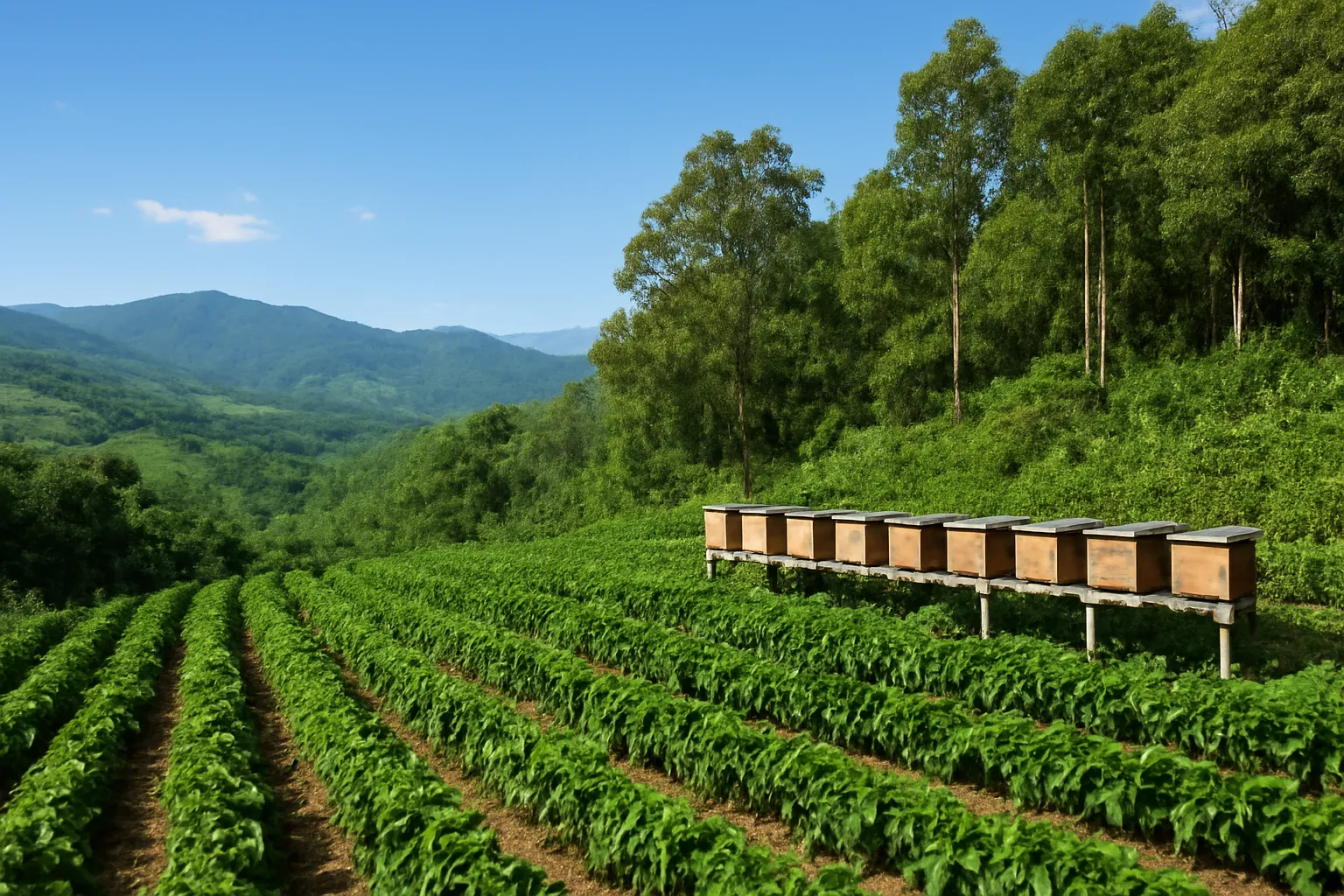
Stingless Beekeeping in the Central Highlands of Vietnam
Stingless bees do well in the Central Highlands, but the cool mornings, long wet season and coffee bloom change the work: drier hives, better roofs, a
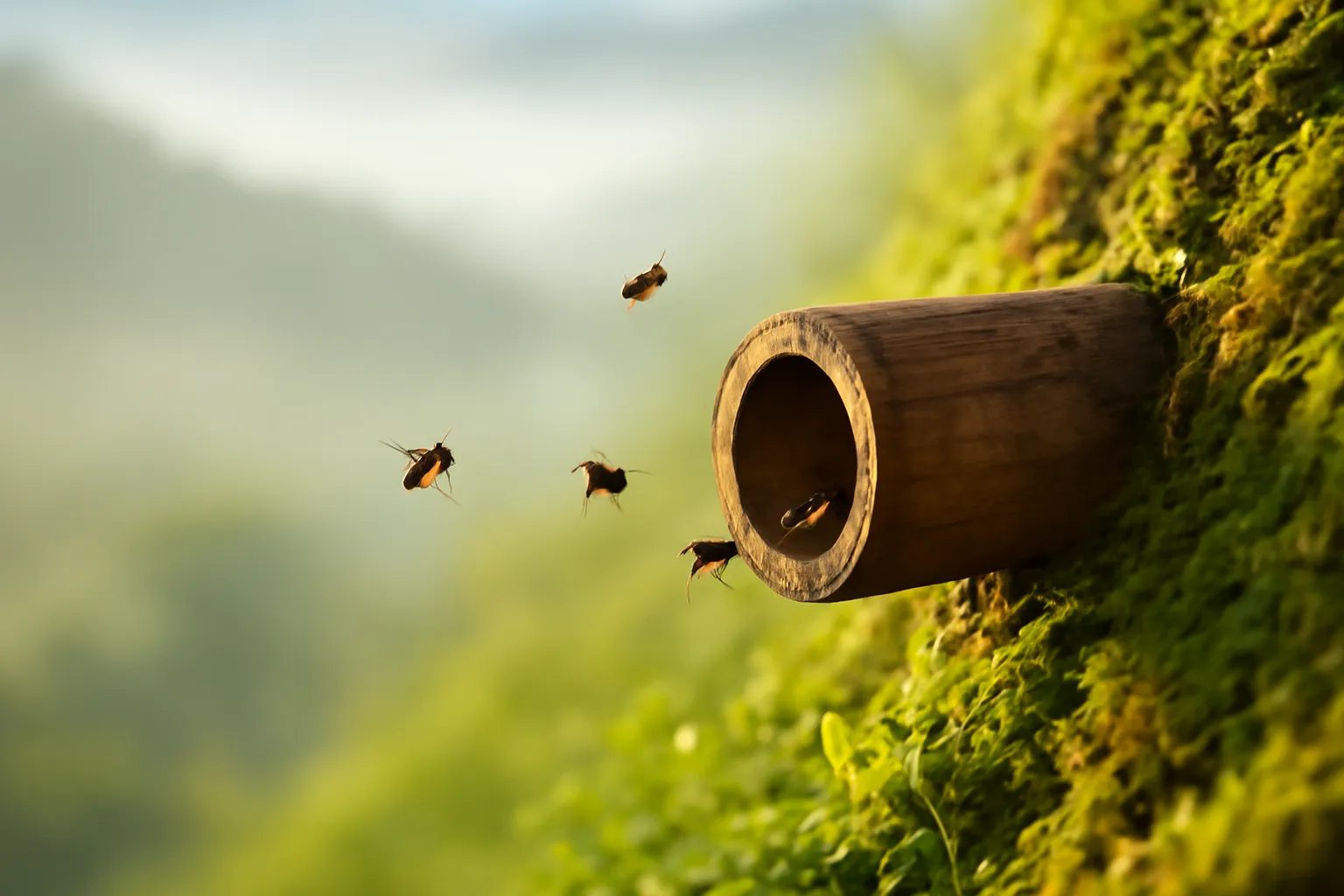
When Do Stingless Bees Start Flying in the Morning?
Stingless bees start flying once the air has warmed and light reaches the hive; on misty highland mornings that can be well after sunrise. Late, slow
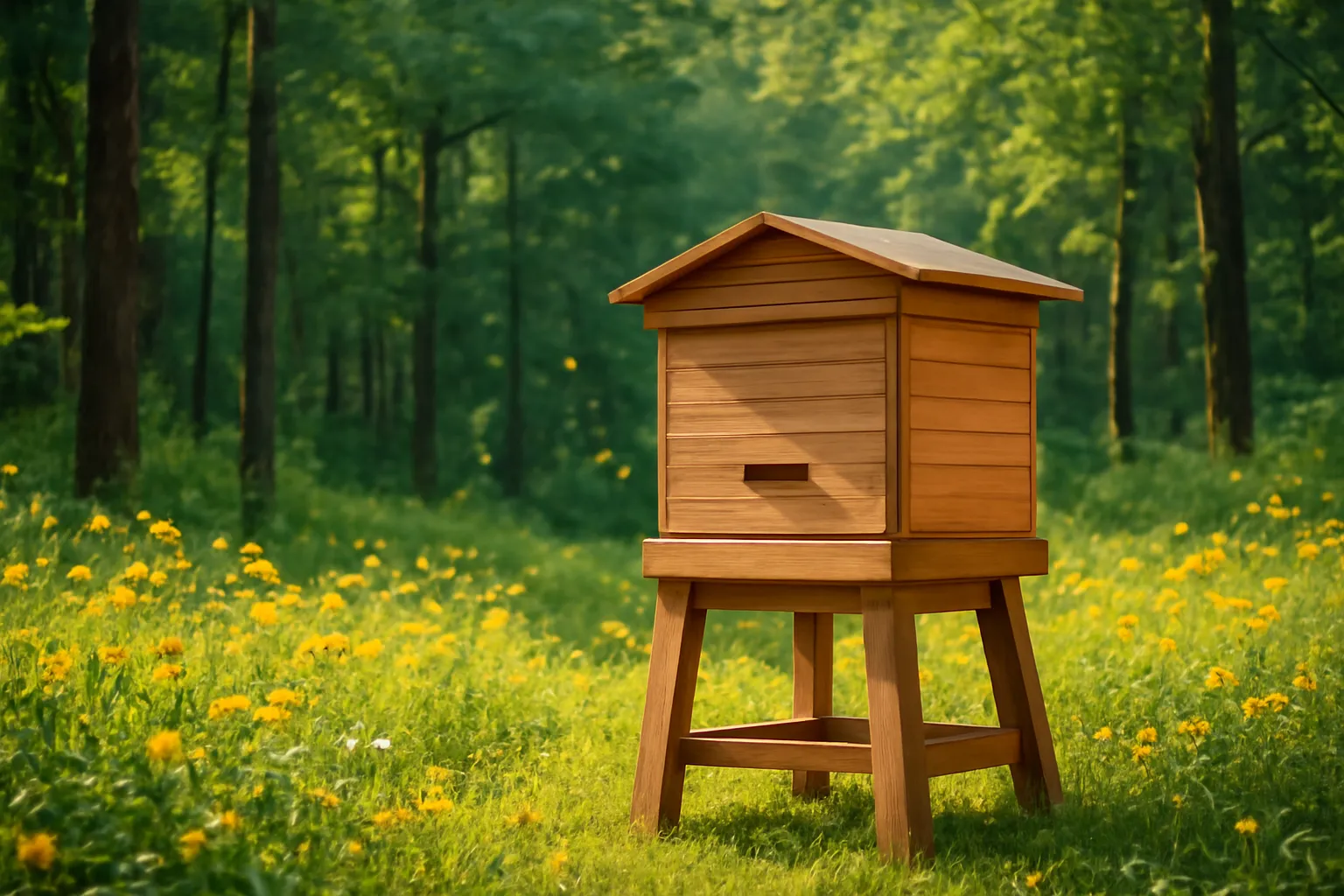
Placing Stingless Bee Hives Near a Forest Edge
The best place for stingless bee hives near forest is the edge, not deep inside: morning sun, mixed flowers and resin trees, shelter from wind, and le
Condensation and Humidity in a Stingless Bee Hive
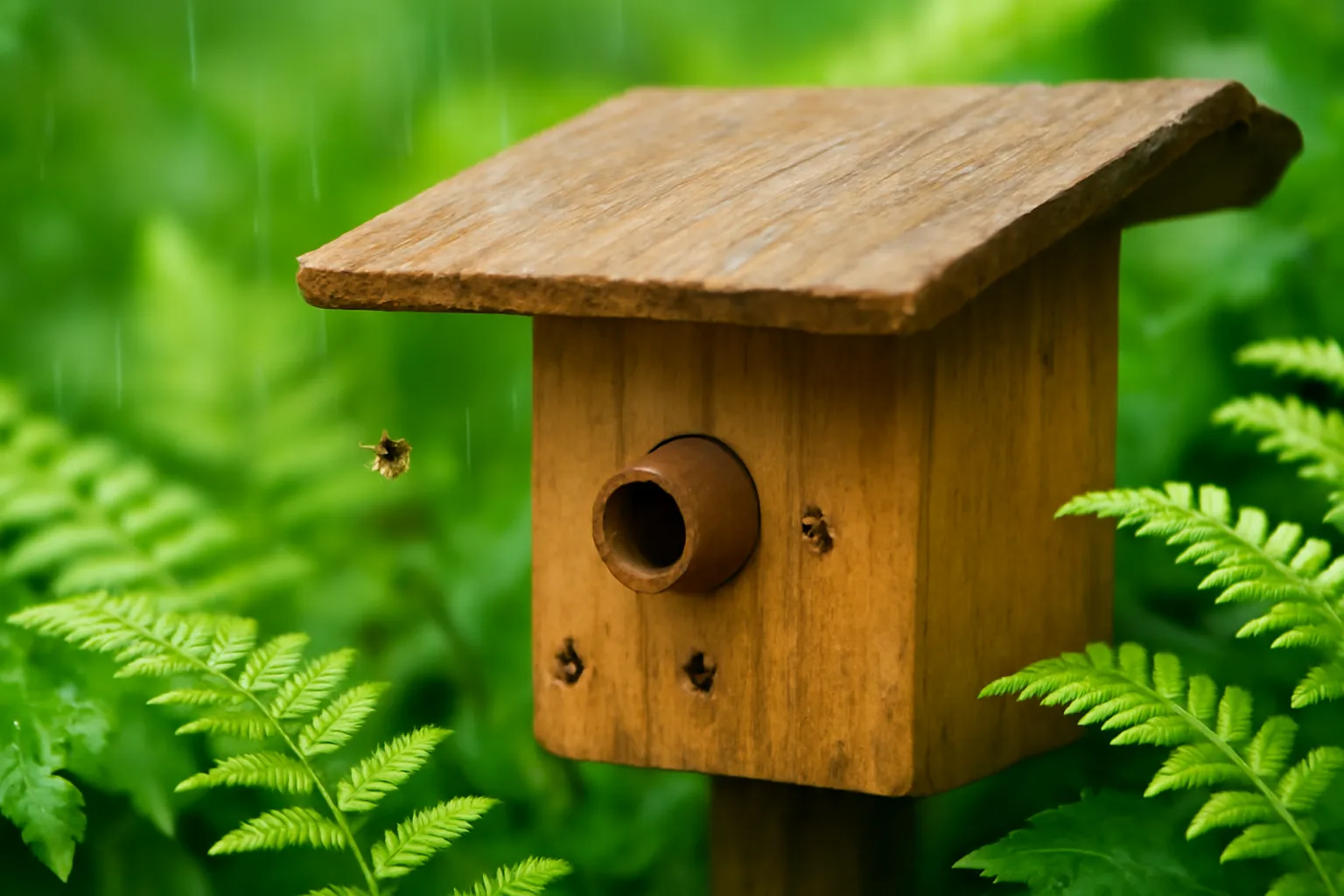
Condensation forms when warm, moist air from the colony meets a cold lid. In wet highland months, a thicker or insulated lid, a wide roof and a slight
Windy Sites and Stingless Bee Hives Near a Lake
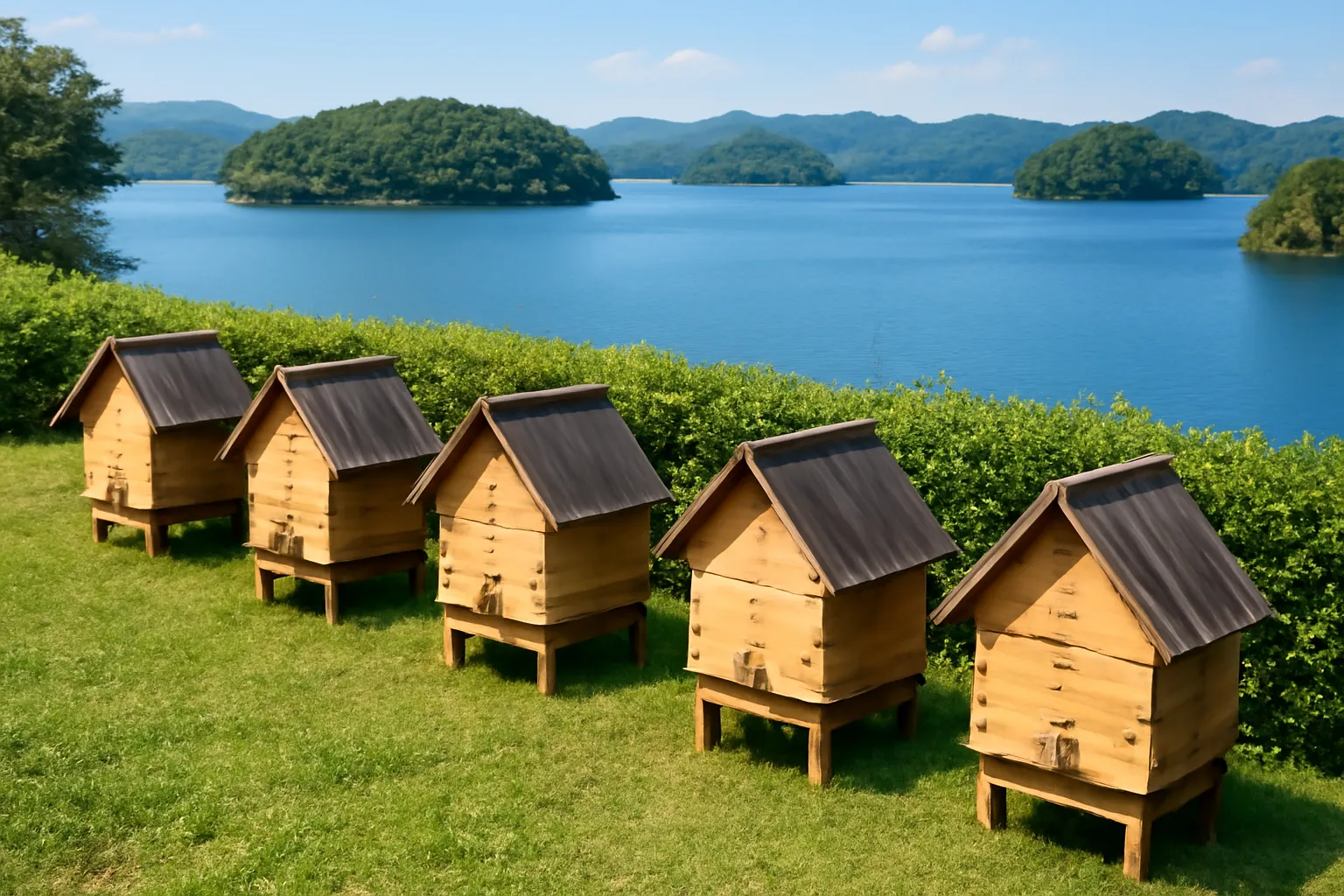
Strong lakeside wind makes life hard for tiny stingless bee foragers. Shelter hives behind a hedge, face entrances away from the prevailing wind, stra
 ›
×
›
×

MoraBee is the international name of Ong Moc, a stingless bee farm in Ta Dung, Lam Dong, among forest and coffee gardens: unblended honey in clean jars, starter colonies, and farm visits.
Vietnamese stingless bee honey from the highlands
A brand by Tên Miền Đẳng Cấp
© 2026 MoraBee. All rights reserved. · Copyright · OD-3864-C503