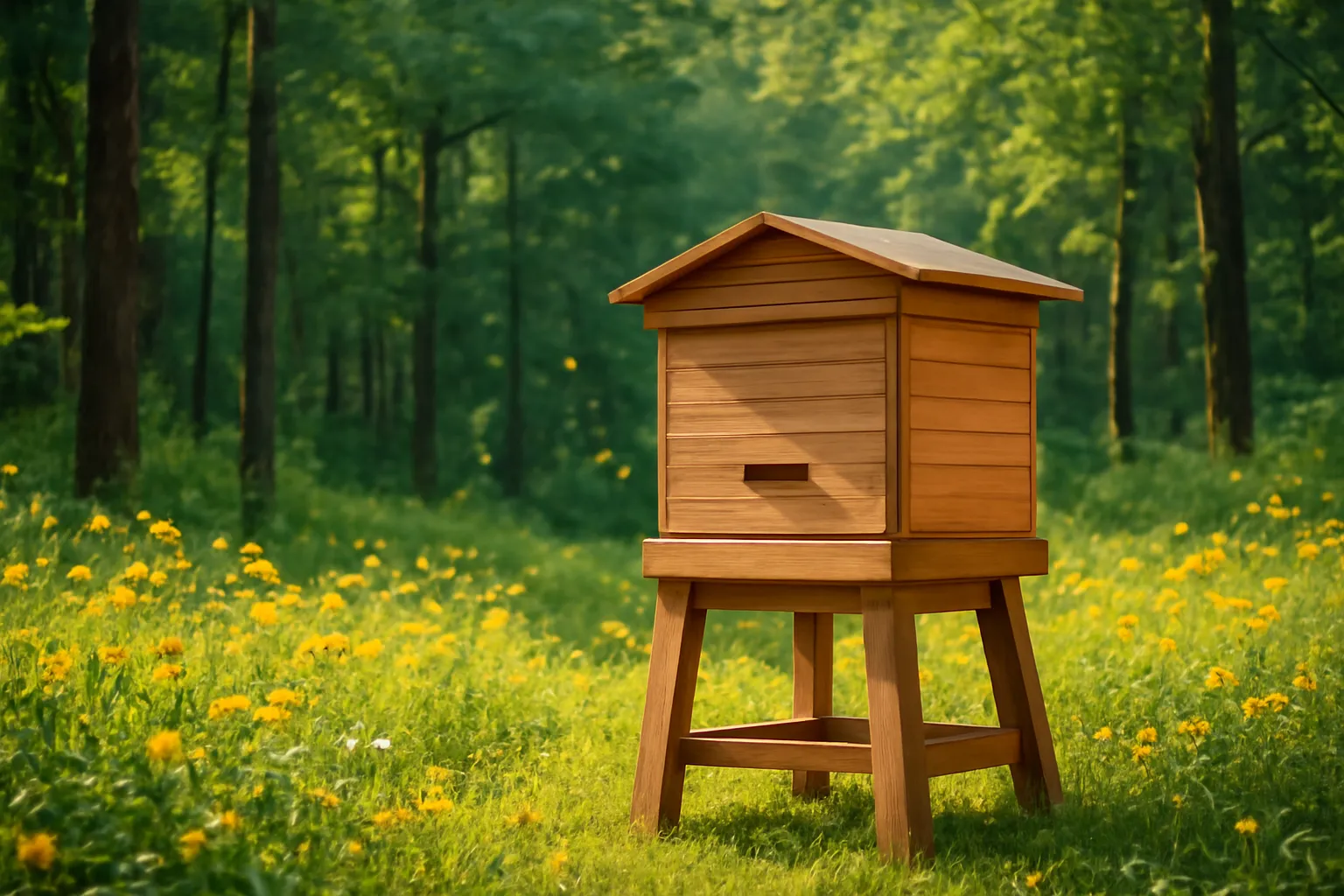
Placing Stingless Bee Hives Near a Forest Edge
For stingless bee hives near a forest, the edge is the sweet spot: where tall trees meet open ground, gardens or a clearing. The edge gives the bees morning sun, shelter from wind, a long mix of flowering plants and resin from old trees, while avoiding the cold, constant damp of the forest floor and the exposure of an open field. Deep inside the forest, hives tend to be too dark and wet; out in the open, too windy and too close to sprayed crops.
At our farm near Ta Dung in Lam Dong, the hives stand along this kind of boundary, with forest on one side and coffee gardens and shrubs on the other. Here is what we have learned about why the edge works, what it costs, and how to set hives there without disturbing the forest itself.
Why the edge is richer than the forest or the field
Ecologists have long noticed that edges between habitats tend to be busier than either habitat alone. For stingless bees the reason is simple: variety. In the open strip along a forest boundary, light reaches the ground, so flowering shrubs, vines and herbs grow that would never survive under a closed canopy. Behind them, the forest trees flower on their own schedules, some high in the canopy where the bees can still reach them.
Resin is the second treasure. Stingless bees build their entrance tube, their brood cells and their storage pots from cerumen, a blend of wax they secrete and resin they collect from plants. Old trees with wounds or sticky bark are prime sources. A colony with resin close by can repair, defend and expand its nest far more easily than one that has to search for it.
Shelter is the third. A line of trees breaks the wind that sweeps across open slopes, and a hive tucked into the lee of that line lets small foragers leave and land without battling gusts. At the same time, hives at the edge usually still catch the morning sun, which matters a great deal on cool highland mornings.
Compare that with the alternatives. In deep forest, the canopy blocks sun, the ground stays wet, moss and fungus spread on wood, and the flowers the bees can reach are fewer and higher. In an open field, the hives bake at midday in the dry season, take the full force of wind and rain, and often sit right beside crops that are sprayed. The edge is a compromise that happens to suit the bees very well.
One more reason, less obvious: the edge is easier for the keeper. You can reach the hives on foot without cutting a path into the forest, check them quickly, and keep an eye on what neighbours are doing in the fields beside you.
Choosing the exact spot along the edge
Look for morning light. Walk the boundary at about the time bees should start flying. The spots where sun lands first are the best candidates for entrances.
Stay a few steps out from the trees. Right under the canopy, drips from leaves keep hives wet long after rain. A little distance from the drip line keeps the box drier.
Avoid dead branches overhead. Old trees drop limbs in storms. Look up before you set a stand down.
Choose firm, raised ground. Low spots collect water and cold air. Slightly higher ground drains better and warms sooner.
Keep away from the busiest paths. Buffalo, dogs, motorbikes and people passing close to the entrance disturb foragers and risk knocking stands.
Leave a clear flight line. The space in front of each entrance should be open for a few metres so bees can leave and return without weaving through branches.
Check for ant highways. Spend a minute watching the ground and tree trunks. Large ant trails nearby mean you will need well-maintained barriers on every stand leg.
Note where spray drifts. If the open side is a crop field, ask when and how it is sprayed, and place hives where drift is least likely.
Think about access in the rains. A spot that is easy to reach in the dry season may be mud and slippery slope in the wet. Choose somewhere you can still inspect safely.
Find a water source nearby. Bees need water, and a stream, pond or damp ground within short flying distance is common at forest edges. Avoid placing hives right beside fast or flooding water.
Respect land and forest boundaries. Place hives on land you have permission to use. Protected forest has its own rules, and the hives should sit outside it unless the authority has agreed otherwise.
Leave room to grow. If the site works, you may want more hives later. Pick a stretch of edge long enough to space them generously.
What the forest edge costs, and how to manage it
The edge is not free of trouble. Forest margins hold more wildlife than open farmland, and some of it is interested in a stingless bee colony. Ants are the constant one: forest ants are numerous and some are aggressive raiders. Every stand needs a working barrier, and every grass blade or twig that touches the hive is a bridge you will need to remove.
Lizards, geckos and some birds will pick off foragers at the entrance. Usually this is a nuisance rather than a disaster; a strong colony replaces a few lost foragers easily. It becomes a problem when a predator settles on one hive day after day. Moving a perch, trimming a branch that gives a lizard cover, or placing the hive a little further from the trees often solves it.
Damp is the second cost. Even at the edge, highland forests are wet places. Roofs need to be wide, stands high enough to avoid splash, and boxes checked after long wet spells for leaks or soft wood. A hive that was perfect in March can be dripping inside by August if the roof has shifted.
The third cost is the temptation of the forest itself. Keepers who live beside forest sometimes see a wild stingless bee nest in a hollow tree and think of cutting it out. We do not do this, and we ask others not to. Wild colonies in old trees are part of what keeps the local population healthy, and cutting into a tree usually destroys the nest. Propagated colonies, split from managed hives, are the responsible way to start.
Signs your forest-edge site is working
Steady traffic on warm days. Foragers leave and return in a constant stream when the weather allows.
Mixed pollen colours. Bees landing with pollen loads of different colours show they are using several flower sources around the edge.
Fresh resin around the entrance. A tube that is regularly extended or reinforced shows the colony has building material close by.
Honey pots filling in good seasons. When you inspect at the right time, new pots appear and existing ones are full and sealed.
Dry wood inside the lid. After a rainy week, the underside of the lid should be damp at most, not dripping.
Few ants on the stand. Barriers are holding and nothing is bridging to the hive.
No bees struggling on the ground. Bees crawling and unable to fly near the hive can signal cold, spray or disease, and are worth noting.
Colonies recover after the rains. A good site shows its value at the end of the wet season, when colonies pick up quickly as forage returns.
Neighbouring hives behave alike. If all hives on the edge do roughly as well as each other, the site is suitable and differences come from colony strength.
Nothing has been disturbed. No knocked stands, no gnawed boxes, no signs of animals tampering. If there are, find the cause before it repeats.
You can reach the hives easily. A site the keeper visits regularly is a site where problems are caught early.
Setting hives at the edge without harming the forest
A forest edge is a living boundary, and a few hives should sit lightly on it. We clear only enough ground for the stands and a safe path, and we leave fallen wood, flowering undergrowth and old trees standing wherever we can. The plants that keepers are tempted to tidy away are often the ones the bees use.
Resist the urge to plant a neat row of one ornamental flower along the boundary. A mix of local shrubs, herbs and small trees that flower at different times gives the bees something through more of the year, and it keeps the edge looking and working like an edge.
Fire is a real risk in the dry season in many upland areas. Keep the ground under and around the stands clear of dry litter that could carry flames to the hives, and never burn rubbish near them. Smoke and heat that would merely annoy a person can be deadly for a colony.
Finally, think of the hives as guests. If the land belongs to a neighbour or a community, agree on where they go and how you reach them. A good relationship with the people around the forest is part of what keeps both the bees and the trees safe.
Frequently asked questions
Can I put a stingless bee hive inside the forest?
You can, but deep forest is usually too shaded, damp and cold for a box hive to do well, and protected forests have their own rules. The edge of the forest normally offers better light, drier conditions and more varied forage.
How far can stingless bees fly to find flowers?
Stingless bees are small and generally forage closer to the nest than honey bees, though the distance varies by species and landscape. Placing hives close to flowering plants and resin sources is safer than relying on long flights.
Do stingless bees need full sun or shade?
In cool, wet highland sites they benefit from morning sun and some protection from the strongest midday heat in the dry season. In hot lowlands more shade is usually needed. Dappled light at a forest edge suits many sites.
Will forest animals attack stingless bee hives?
Ants are the most common threat, and lizards or birds may catch foragers at the entrance. A raised stand with clean barriers, a solid box and regular checks prevent most problems.
Is it legal to take a wild stingless bee nest from a tree?
Rules differ by place and protected forests have strict limits, so check with the local authority. Regardless of the rules, cutting out wild nests usually kills the colony and harms the local population, so we recommend buying propagated colonies instead.
How many hives can I place along a forest edge?
It depends on how much forage is available, and that changes through the year. Start with a few hives spaced well apart, watch how they do through a full wet and dry season, then decide whether the site can support more.
Written by the team behind a working stingless bee farm about 40 km from Ho Chi Minh City, Vietnam. Articles come from day-to-day work at the farm; technical figures are stated as ranges, not promises.
About the team →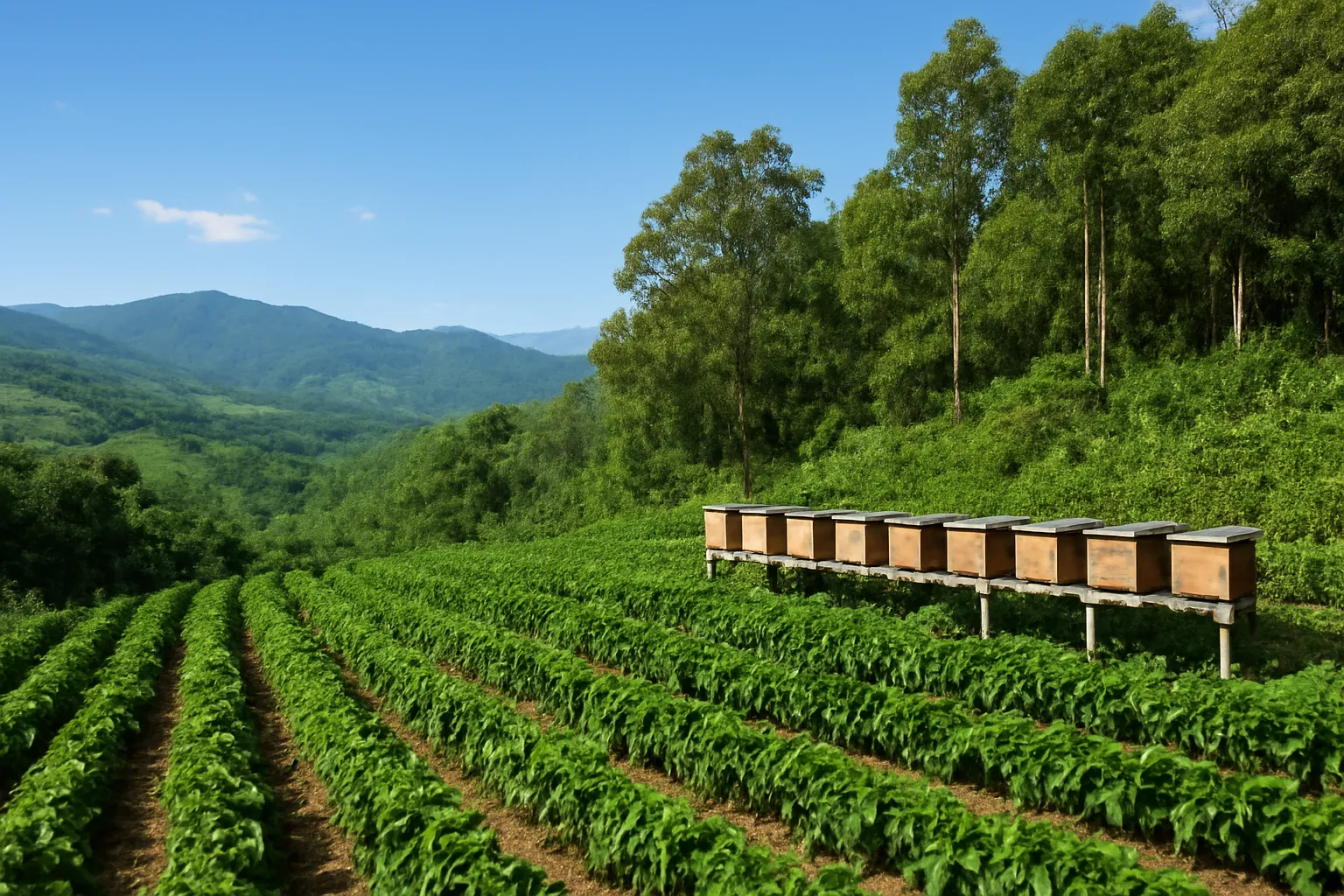
Stingless Beekeeping in the Central Highlands of Vietnam
Stingless bees do well in the Central Highlands, but the cool mornings, long wet season and coffee bloom change the work: drier hives, better roofs, a
When Do Stingless Bees Start Flying in the Morning?
Stingless bees start flying once the air has warmed and light reaches the hive; on misty highland mornings that can be well after sunrise. Late, slow
Condensation and Humidity in a Stingless Bee Hive
Condensation forms when warm, moist air from the colony meets a cold lid. In wet highland months, a thicker or insulated lid, a wide roof and a slight
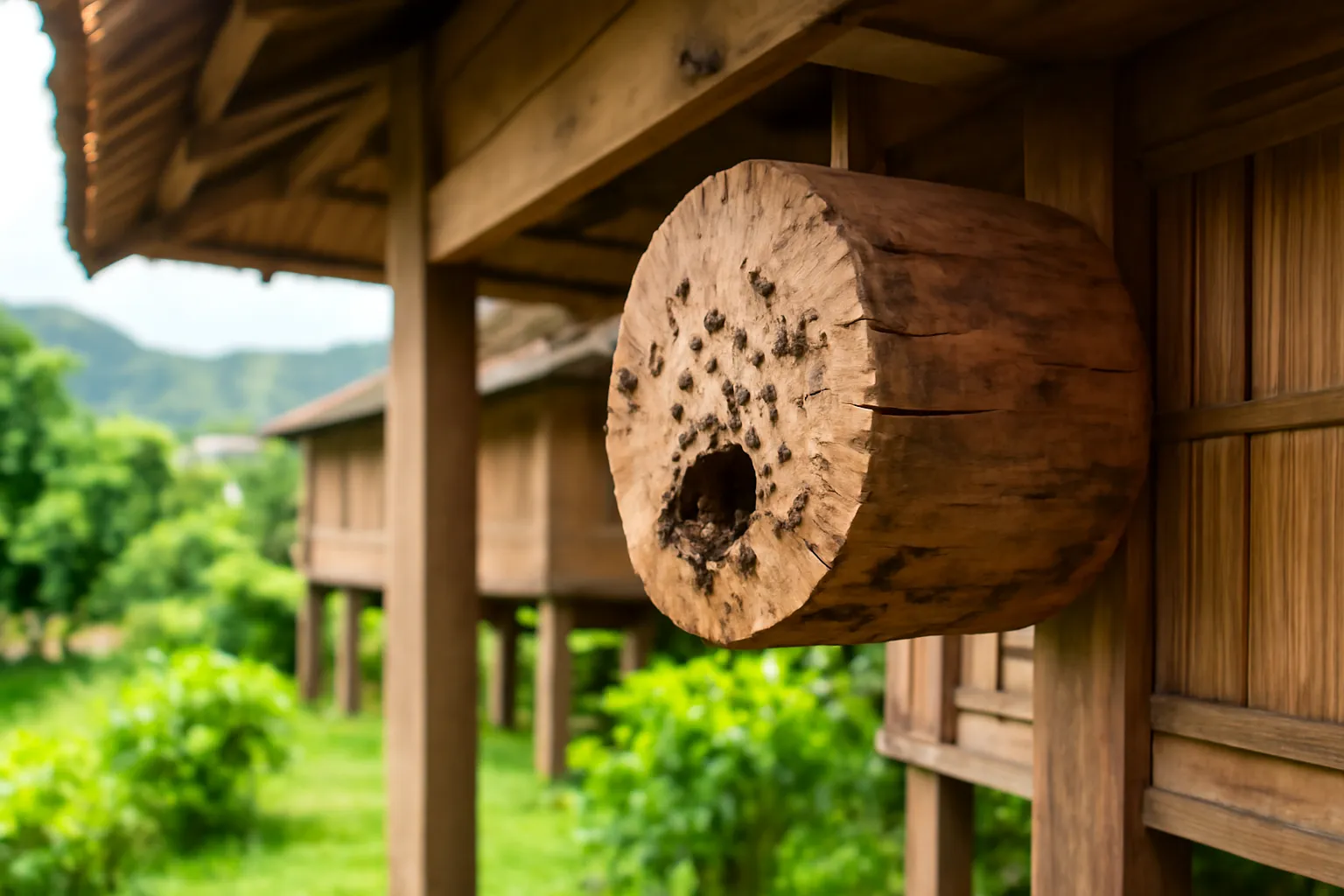
Traditional Stingless Bee Log Hives in Vietnam
Before wooden boxes, rural households in Vietnam kept stingless bees in hollow logs and bamboo tubes hung under the eaves. Those hives taught keepers
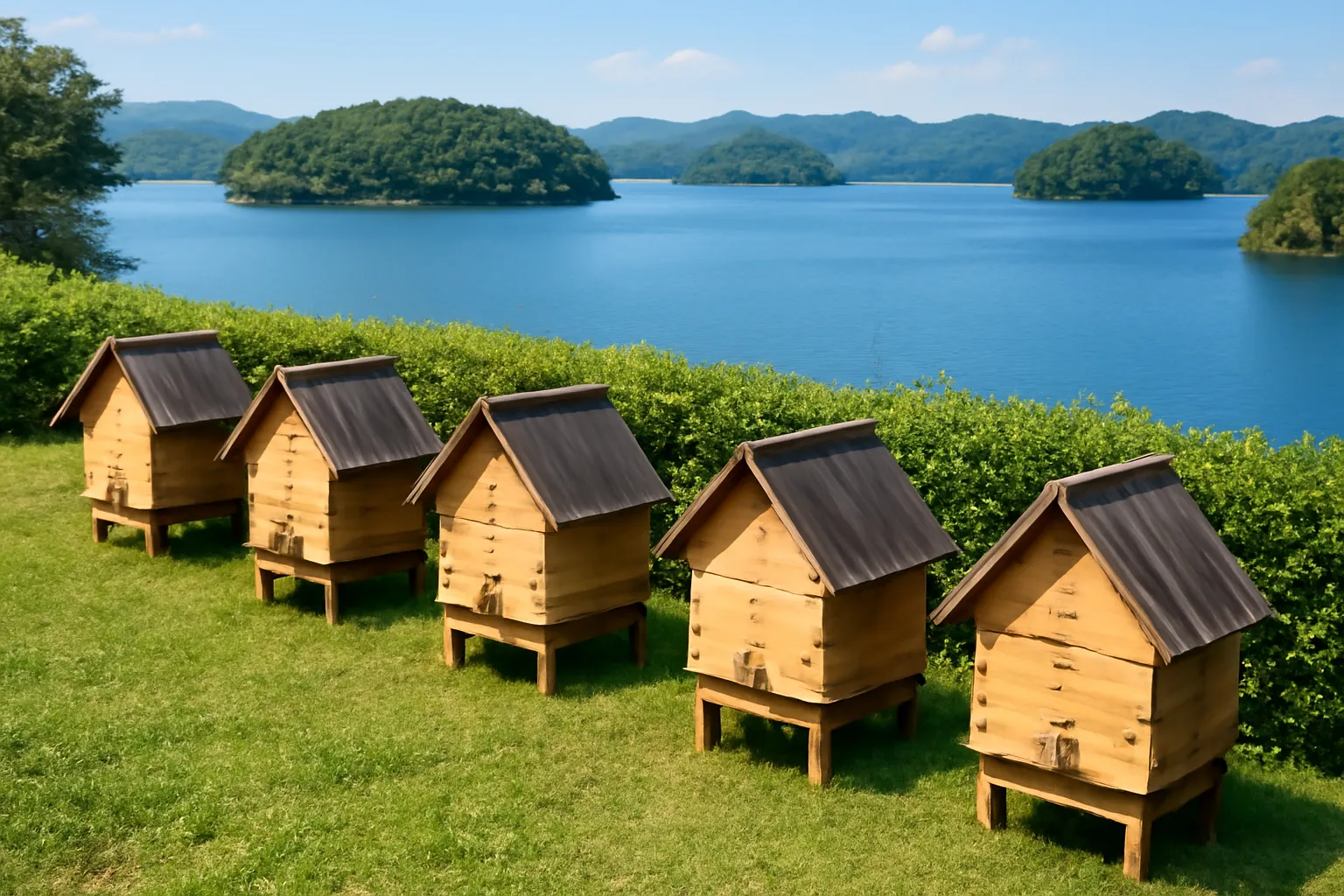
Windy Sites and Stingless Bee Hives Near a Lake
Strong lakeside wind makes life hard for tiny stingless bee foragers. Shelter hives behind a hedge, face entrances away from the prevailing wind, stra
 ›
×
›
×

MoraBee is the international name of Ong Moc, a stingless bee farm in Ta Dung, Lam Dong, among forest and coffee gardens: unblended honey in clean jars, starter colonies, and farm visits.
Vietnamese stingless bee honey from the highlands
A brand by Tên Miền Đẳng Cấp
© 2026 MoraBee. All rights reserved. · Copyright · OD-3864-C503