Do Stingless Bees Pollinate Coffee? What We Know
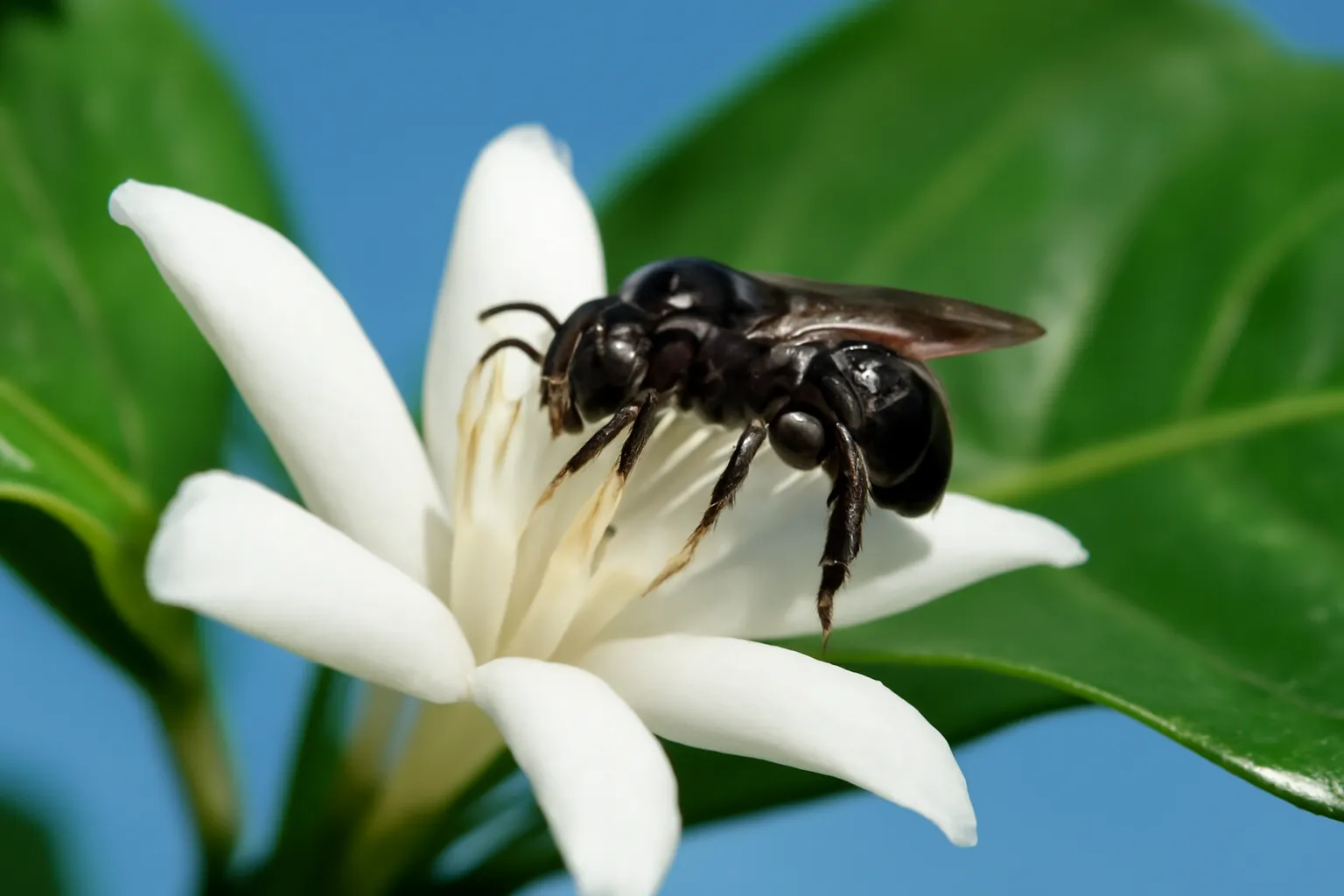
Yes, stingless bees visit coffee flowers, collect their pollen and nectar, and move pollen between flowers as they go. Research from tropical coffee regions broadly finds that bee visits tend to improve fruit set, especially in robusta, which needs pollen from other plants. What is not known for any single garden is how much a few stingless bee colonies add on top of wind and other insects.
That gap between the general picture and your own hillside is worth taking seriously. Here we explain why the two coffee species differ, what a tiny bee actually does inside a coffee flower, the honest limits of what we can claim, and a simple field check any grower near Ta Dung or elsewhere in the highlands can run.
Robusta and arabica: two different pollination stories
The coffee grown across most of the Central Highlands is robusta. Robusta flowers generally cannot fertilise themselves with their own pollen; a flower needs pollen from a genetically different plant. In a garden grown from many seedlings that is easy, because neighbouring bushes differ. In a garden of grafted clones, pollen from the same clone may not work, which is why growers often mix several clones in one plot.
Wind moves a great deal of coffee pollen, and for a long time many people assumed wind did the whole job. Field studies in several tropical countries have since found that insect visits, mostly bees, can add noticeably to the share of flowers that turn into berries. The size of that effect varies from place to place and year to year, and we will not quote a single figure as if it applied everywhere.
Arabica, grown higher up around Da Lat, is mostly self-fertile: a flower can set fruit with its own pollen. Even so, some studies report that bee visits can improve fruit set or berry quality in arabica as well, though usually less dramatically than in robusta. Again, results depend strongly on local conditions.
So the fair summary is this. In robusta country, bees are likely to matter. In arabica country, they may help. In both, the exact gain depends on the garden, the weather during bloom, the mix of clones and how many other pollinators are already around.
What a stingless bee does inside a coffee flower
It lands and walks in. A coffee flower is a small white star; the tiny bee often lands on the petals and crawls toward the centre rather than hovering.
It collects pollen deliberately. Stingless bee workers scrape pollen from the anthers and pack it into the pollen baskets on their hind legs, much as honey bees do.
It brushes the stigma along the way. Moving over the flower, its body picks up and drops pollen grains, some of which land on the stigma, the part that receives pollen.
It takes nectar too. Coffee nectar sits at the base of the flower tube, and the bee reaches it with its tongue.
It tends to stay local. Because stingless bees forage close to home, they work the nearest rows intensively rather than spreading across a whole valley.
It may stick to coffee for a while. When a rich source is available, foragers often keep returning to the same kind of flower, which helps move pollen between coffee plants.
Its small size is a question mark. A tiny bee may touch the stigma less often than a larger bee, so each visit may carry less pollen; nobody should assume it equals a honey bee visit.
Numbers matter. One colony sends out a modest number of foragers; a few hives make a small contribution compared with a large wild bee population.
Timing matters even more. Coffee flowers are receptive for only a short time, so bees active early on the right morning are worth more than many visits a day too late.
Shared work with others. Wild bees, kept honey bees and other insects all visit coffee, and the combined effect is what the grower sees at harvest.
It does not damage the flower. Stingless bees do not chew coffee flowers or harm the developing fruit.
What we cannot honestly claim
It is tempting for anyone selling bees to say that a colony will raise coffee yields by a certain percentage. We do not say that, because nobody can know it for a particular garden in advance. Yield depends on rain, fertiliser, pruning, the age of the bushes, disease, the clone mix and many other things that dwarf the effect of a few hives.
We also do not claim stingless bees are better coffee pollinators than other bees. In many gardens, wild bees and honey bees already visit in large numbers. Adding stingless bee hives may add a little, or very little, depending on what is already there. In a garden heavily sprayed and stripped of ground cover, where wild insects are scarce, the extra visitors may count for more.
What we can say with confidence is that bees and coffee get along well when spraying is managed with care. Stingless bees do not sting, so workers can prune and pick near the hives without trouble. And keeping bees encourages exactly the habits, like protecting ground cover and spraying thoughtfully, that tend to help wild pollinators too.
If a grower wants a clearer answer for their own garden, the best route is not to trust a sales pitch, ours included, but to look for themselves in a simple, careful way.
A simple bagging test you can run in your own garden
Choose similar bushes. Pick several healthy bushes of the same age and clone in one part of the garden, near your hives.
Mark branches before bloom. On each bush, tie coloured string on two branches with similar numbers of flower buds, once buds are visible but still closed.
Bag one branch, leave one open. Cover one branch per bush with a fine mesh bag that lets air and wind-blown pollen through but keeps insects out; leave the other open.
Use mesh, not plastic. Plastic traps heat and moisture and can damage flowers, which would spoil the comparison.
Remove bags after petal fall. Once the flowers have finished, take the bags off so the developing fruit grows in normal conditions.
Count young berries. A few weeks later, count the small green berries on each marked branch and compare with the number of flower clusters you started with.
Repeat across bushes. Use at least several pairs of branches; one pair can easily mislead because of chance.
Keep notes on weather. Record rain, mist and wind on bloom days, since they change how much pollination happens by any route.
Remember what it measures. The test compares insects plus wind against wind alone; it shows insect value in general, not stingless bees alone.
Watch the flowers directly. Spend a few mornings simply counting which insects visit a marked patch for ten minutes; it tells you who is really doing the work.
Do it more than one year. One season is a snapshot; two or three seasons give a much fairer picture.
Share results honestly. If the difference is small, that is useful knowledge too, and it helps neighbours make realistic decisions.
Putting hives in a coffee garden: practical notes
If you decide to keep stingless bees among coffee, place hives at the edges of rows rather than deep inside, in a spot with afternoon shade and good drainage. Raise each hive on a stand and protect the legs from ants with a simple barrier. Stingless bee colonies are sensitive to heat, so avoid bare, sun-baked patches.
Agree on spraying in advance with whoever manages the garden. The safest pattern is to avoid insecticides on open flowers altogether, to spray in the evening when bees have returned, and to follow the label, including its waiting periods. Tell your pickers and workers about the hives so nobody knocks them by accident.
Do not expect a colony to stay busy all year on coffee alone. The bloom is short. Shade trees, fruit trees planted between coffee rows and patches of flowering ground cover give the bees something to live on in between, and those plants often benefit the garden in other ways too.
Finally, treat any honey as a bonus rather than the reason for keeping bees among coffee. A colony that is not harvested hard will stay stronger, fly more and, if it does help pollination, keep doing so season after season.
Câu hỏi thường gặp
Do bees increase coffee yield?
Studies in tropical coffee regions generally find that bee visits raise the share of flowers that become berries, especially in robusta. The effect on final yield in a specific garden varies widely and depends on many other farming factors, so no fixed percentage can be promised.
Is robusta coffee pollinated by wind or insects?
Both. Robusta needs pollen from other plants, and wind carries much of it, but insects, mostly bees, add to pollination in many gardens. Mixing several clones in a plot is important because pollen from the same clone often does not work.
Do stingless bees sting coffee pickers?
No. Stingless bees cannot sting. When disturbed close to the nest they may bite gently or crawl into hair, which is annoying but not dangerous for most people. Anyone with concerns about reactions should ask a doctor.
How many stingless bee hives does a coffee garden need?
There is no reliable rule, and we will not invent one. The number depends on garden size, other pollinators present, and how much forage exists outside the bloom. Starting with a few hives and observing for a season is more sensible than buying many at once.
Can pesticides used on coffee kill stingless bees?
Some can, and small bees are particularly vulnerable. Always read the product label, never spray open flowers while bees are flying, and observe the waiting periods listed. Telling neighbouring growers where your hives are helps a great deal.
Does coffee pollination by stingless bees work at higher, cooler farms?
Stingless bees fly less in cold, misty weather, so at higher altitudes they may be active for fewer hours during bloom. Arabica grown there is also mostly self-fertile, so the gain from bees may be smaller than in warmer robusta gardens.
Written by the team behind a working stingless bee farm about 40 km from Ho Chi Minh City, Vietnam. Articles come from day-to-day work at the farm; technical figures are stated as ranges, not promises.
About the team →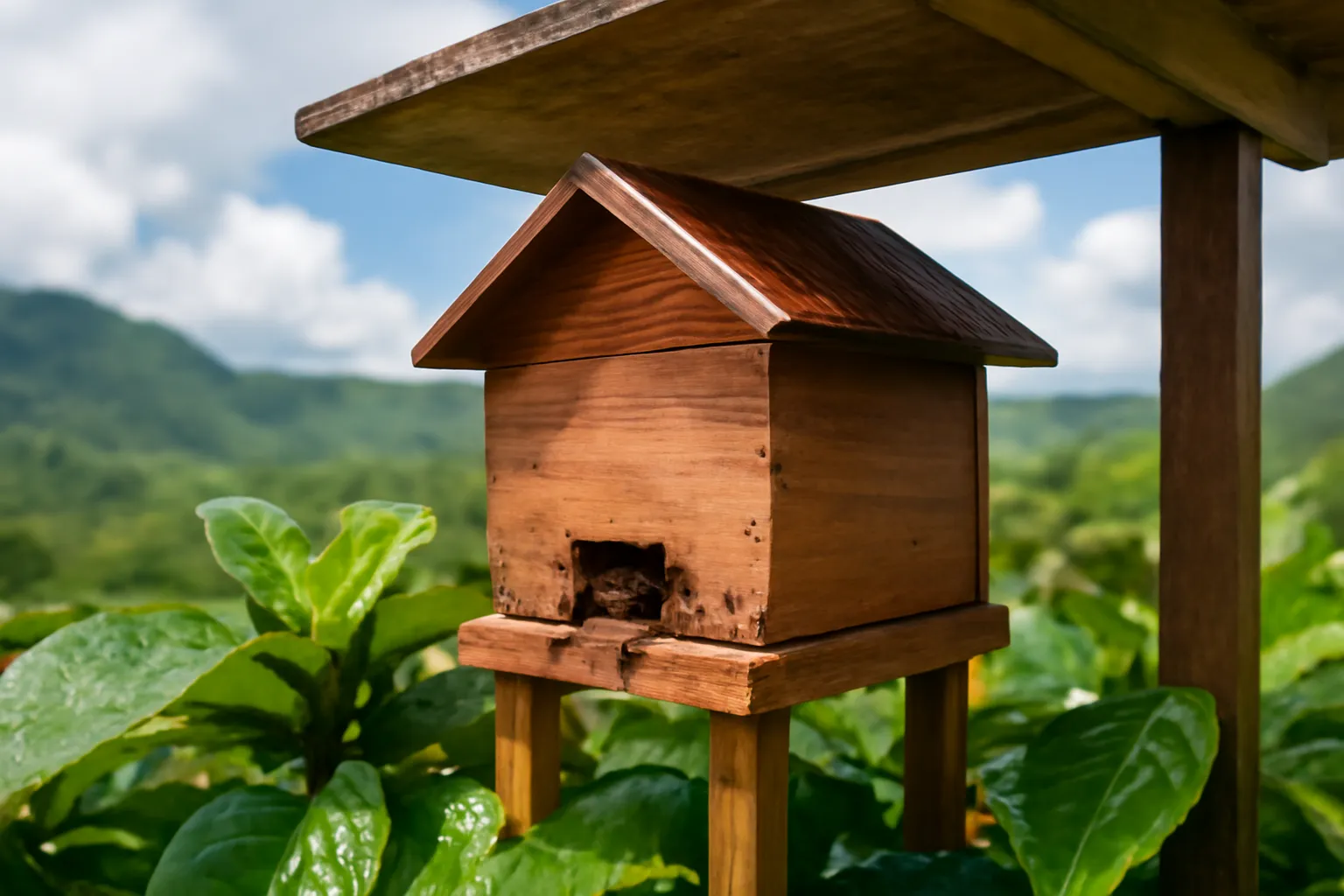
Lean Weeks in the Highland Rainy Season: Stingless Bee Dearth
In the highland rainy season, days of continuous cloud and rain can keep stingless bees inside and leave colonies short of food. Watch for low traffic
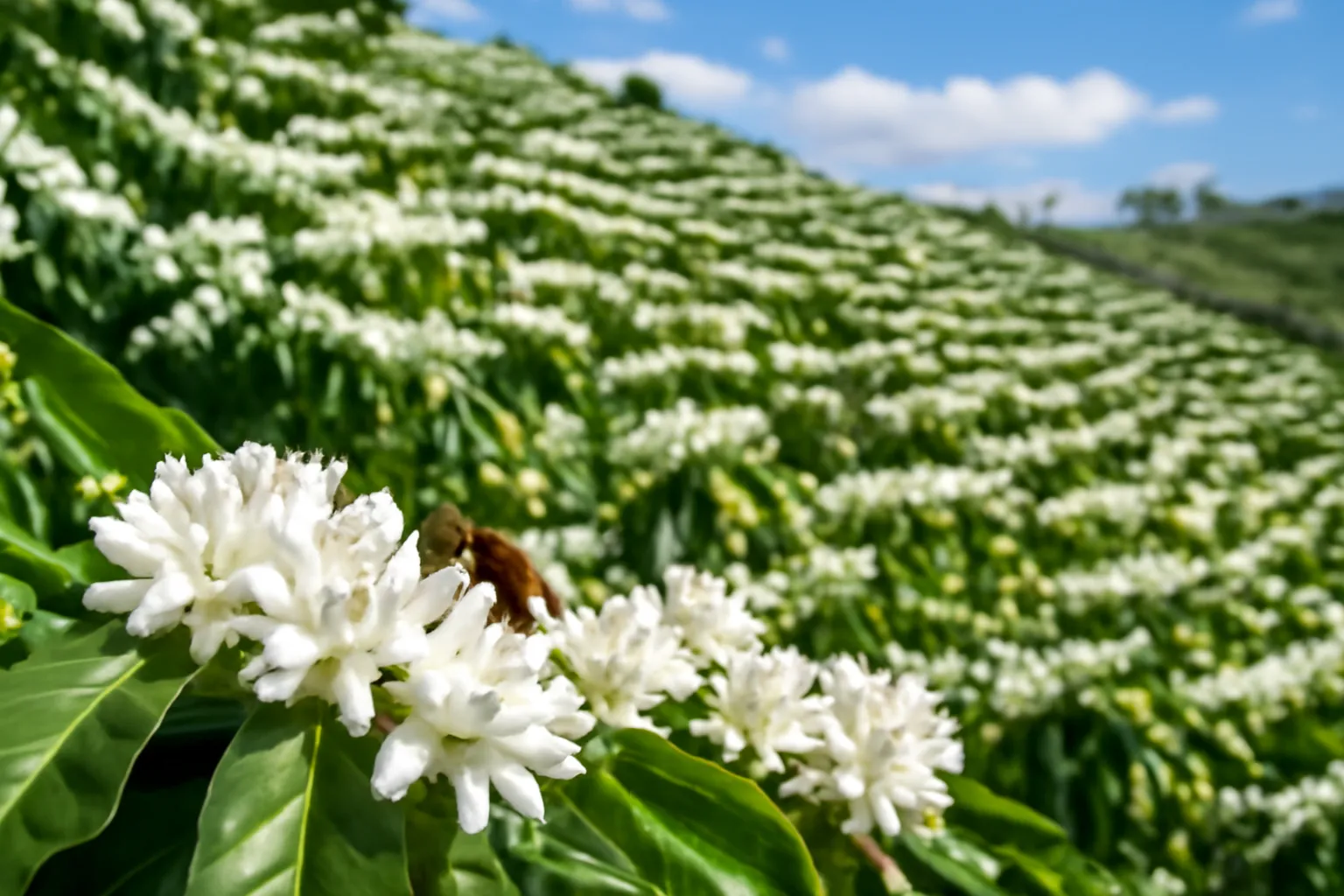
Coffee Flowering Season and Stingless Bees in the Highlands
In the Central Highlands coffee blooms once the dry season breaks, usually early in the year, and each flush lasts only a few days. Stingless bee colo
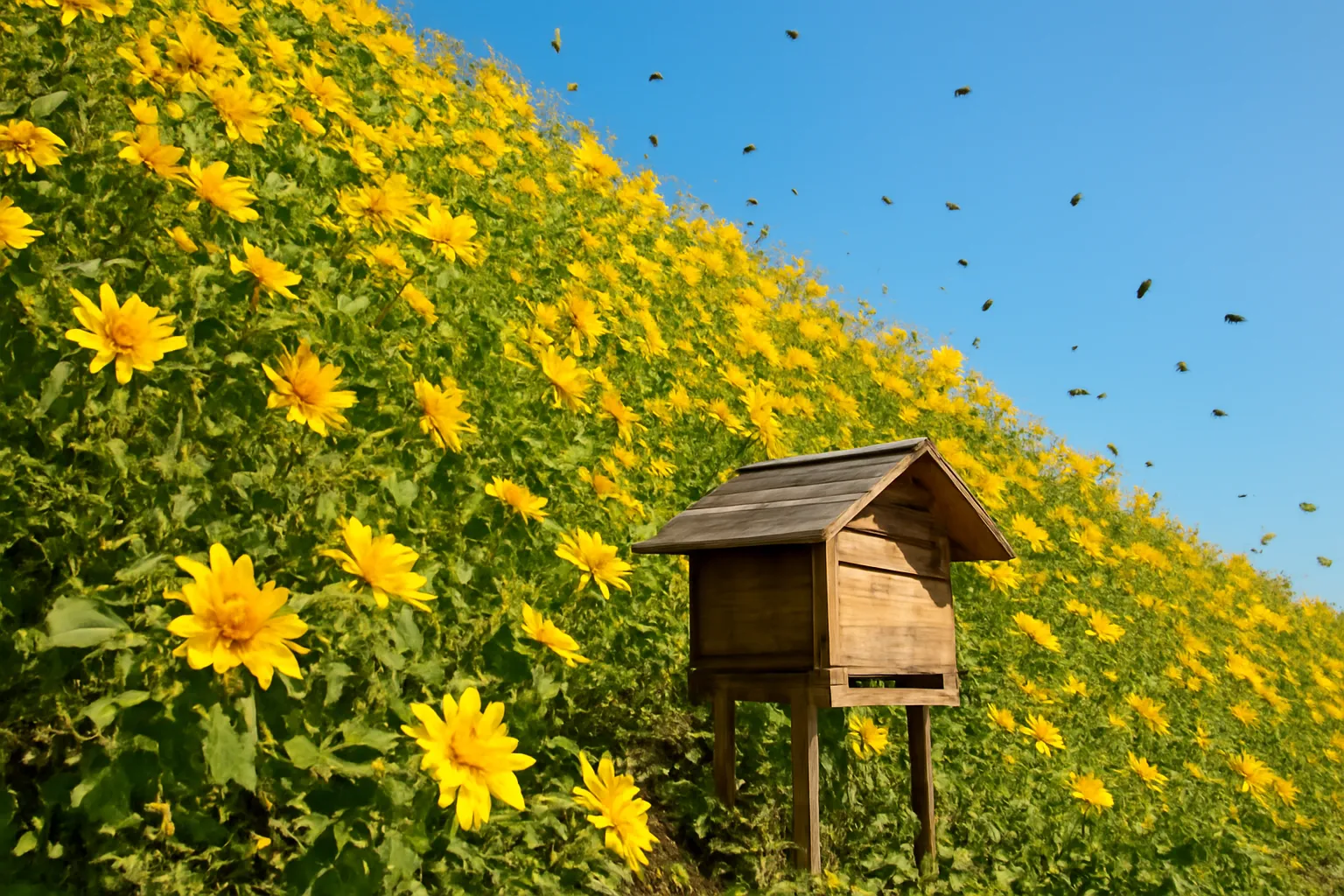
Wild Sunflower Season in the Highlands: Tithonia and Bees
Wild sunflower, Tithonia diversifolia, turns highland roadsides yellow around the end of the rainy season, usually late in the year. Stingless bees wo
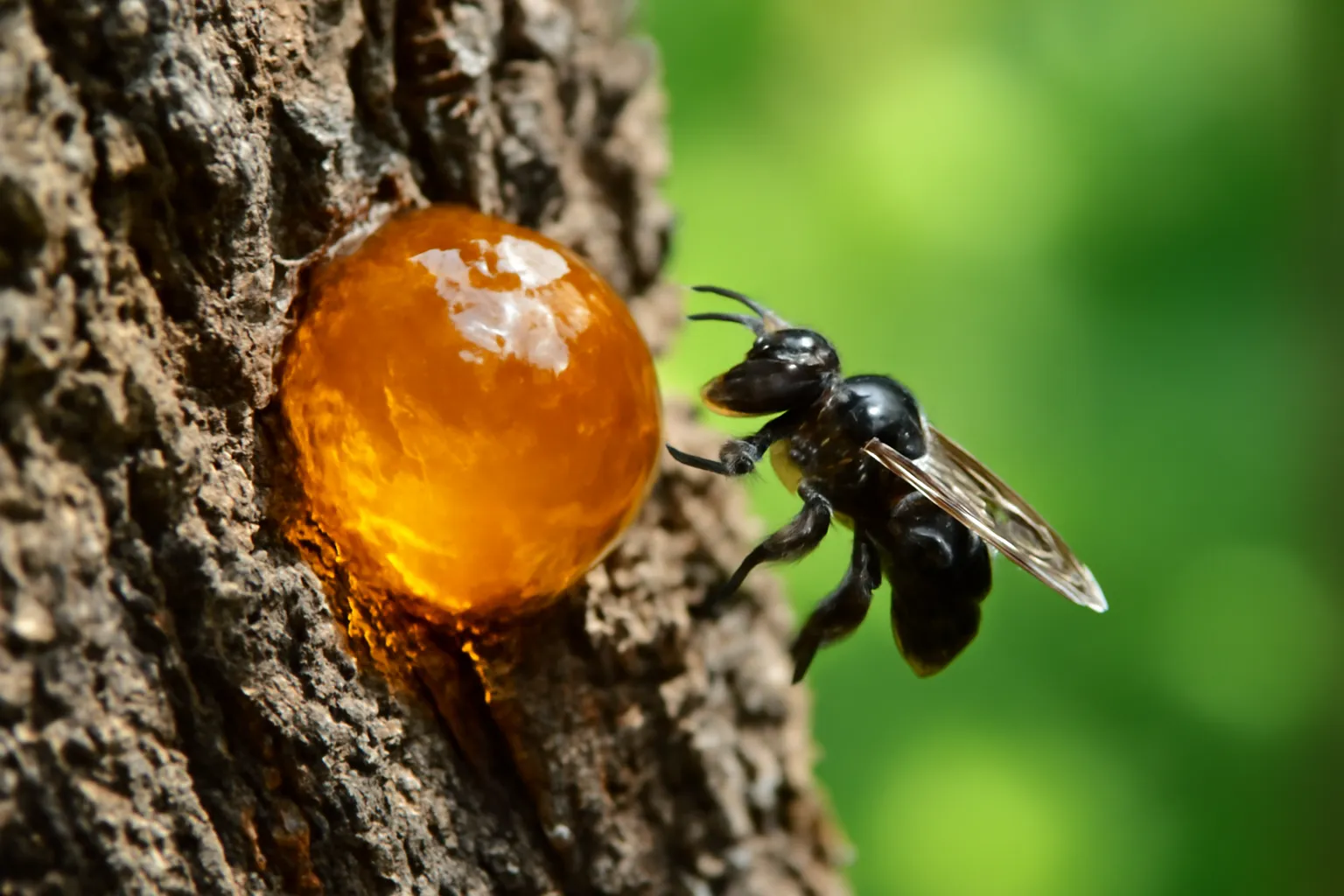
Where Do Stingless Bees Collect Resin, and Why So Much?
Stingless bees gather sticky resin from wounded bark, buds and sap of trees, carrying it home in their pollen baskets. They mix it with wax to build t
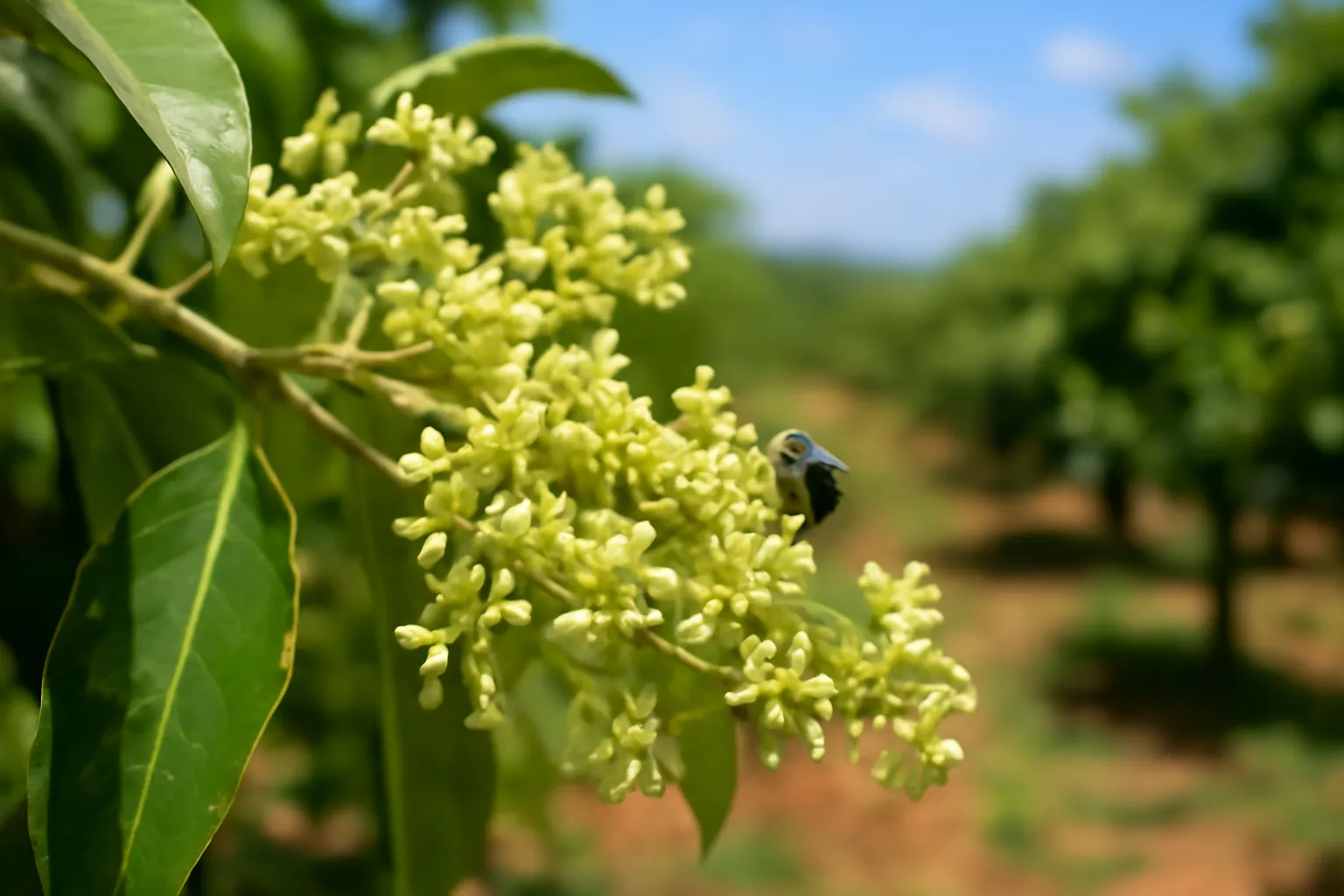
Avocado, Durian and Macadamia Flowers for Stingless Bees
Highland orchards planted between coffee rows give stingless bees extra flowers in the dry months. Avocado suits tiny bees best because its small, ope
 ›
×
›
×

MoraBee is the international name of Ong Moc, a stingless bee farm in Ta Dung, Lam Dong, among forest and coffee gardens: unblended honey in clean jars, starter colonies, and farm visits.
Vietnamese stingless bee honey from the highlands
A brand by Tên Miền Đẳng Cấp
© 2026 MoraBee. All rights reserved. · Copyright · OD-3864-C503