
Visiting a Stingless Bee Farm Near Ta Dung: What to Expect
A visit to the stingless bee farm near Ta Dung is a quiet, unhurried morning rather than a show. You stand a step to the side of the hive entrances and watch bees smaller than a grain of rice come and go, see how the wooden boxes are set among trees and coffee, and taste honey that is runny and pleasantly sour. Call or message the farm before you come, because it is a working farm, not a visitor centre with fixed opening hours.
This page explains what you will actually see, what you will not, how the bees behave around people, and how to plan the visit so it fits the weather and the bees rather than working against them.
What is a stingless bee, and why is this farm different from a honeybee farm?
In Vietnamese these bees are called ong du. They belong to the stingless bees, a group scientists call Meliponini; the ones kept around here are mostly Tetragonula, small dark bees that live in hollow trees in the wild. They do have a sting, technically, but it is so reduced that it is useless. When they defend the nest they crawl into hair or nip with their jaws, which is surprising more than painful.
If you have been to a honeybee farm, forget the picture of frames full of hexagonal comb and keepers in veils and smoke. Stingless bees build something that looks more like a small cave city: clusters of round brood cells in the middle, and around them soft pots made of a wax and plant-resin mix called cerumen, where they store honey and pollen. Each pot is about the size of a grape or a quail egg. The honey comes out thin, tart and in small amounts.
That small amount is the first honest thing to know before visiting. A healthy colony gives a modest harvest, and only at certain times of year. So a farm visit is not about watching barrels being filled. It is about seeing how a colony lives, why the boxes sit where they do, and how the forest and coffee around Ta Dung shape what ends up in the jar.
The farm, called Ong Moc in Vietnamese and MoraBee in English, sits on Thac Ba Tang road in Ta Dung commune, Lam Dong. The word moc means plain or unvarnished, and that is the idea behind the honey too: nothing added, nothing taken away.
What you will see during a morning at the hives
The hive entrances first. Each box has a small tube or opening, often edged with resin. A few guard bees stand at it and check every bee that lands. Standing a metre to the side, you can watch this for a long time.
Foragers coming back with loads. Some bees return with pale or yellow pollen packed on their back legs; others carry tiny balls of sticky resin. Resin is building material for them, not food.
Where the boxes are placed. You will notice hives under partial shade, raised on stands, away from standing water. The keeper can explain why each spot was chosen, which says more about the bees than any brochure.
A box opened, if the timing is right. On a warm, dry part of the morning the keeper may lift a lid briefly so you can see the brood cluster and the honey pots. On cold or wet days the lid stays shut, and that is the right call.
The resin walls inside. The inside of a stingless bee nest is dark, glossy and smells of tree sap. Many visitors say it is the smell they remember most.
Flowers the bees work on. Depending on the month you may see coffee blossom, wild shrubs at the forest edge, or fruit trees in flower. Ask what is flowering that week.
How honey is taken out. Even if no harvest is happening, the keeper can show the tools and explain how honey pots are opened and drained without crushing the brood.
A tasting. Honey from stingless bees is thinner than honeybee honey and has a clear sour note, sometimes with a hint of resin. Taste a little on a spoon before deciding whether you like it.
Children watching up close. Because the bees are so small and do not sting, children can usually stand near the entrance with an adult. Keep them from poking sticks into the tube.
Quiet time. There is no stage and no loudspeaker. Part of the visit is simply sitting on a bench and listening to the hum while the mist lifts from the valley.
What you will not see. No smoke, no veils, no big extractor machines, and no hexagonal frames. If something like that appears in a photo of a stingless bee farm, the photo is from somewhere else.
How to plan the visit around the weather and the bees
Ta Dung sits in the highlands, and mornings are often cool and misty. Stingless bees do not fly much until the air warms up, so arriving at first light usually means watching closed entrances. Mid-morning, once the sun is on the boxes, is when activity picks up and the visit becomes interesting.
The year here roughly splits into a dry season and a wet season. In the wet months, showers can arrive in the afternoon and the bees stay in. Plan the farm for the morning and keep the afternoon for the lake or a café, which also tends to suit the light for photos over the water.
Call or send a Zalo message to +84 818 83 22 83 a day or two ahead. Say how many people are coming, whether there are children, and roughly what time you expect to arrive. On a working farm, the person who can show you the hives may be out in the coffee or at the market, and a short message saves a wasted drive.
Wear closed shoes, long trousers if you want to walk to hives on slopes, and avoid strong perfume or hair spray. Light-coloured clothing is easier, because bees that get confused tend to land on dark hair and dark fabric. A hat helps more than you might expect.
Bring cash for anything you might want to take home, and ask before photographing people working. Most of all, be ready to slow down. The bees set the pace, and a visit that goes at their pace is the one people describe afterwards as the best part of the trip.
Good manners at the hives
Stand to the side, never in front. The entrance is a runway. Standing in the flight line makes returning bees bump into you and stresses the colony.
Do not breathe into the entrance. Warm breath and carbon dioxide make the guards rush out. Lean in from the side if you want a closer look.
No tapping on the boxes. Knocking to see what happens is the quickest way to get bees in your hair. The vibration travels straight to the brood.
Keep hands still if bees land on you. They are usually just resting or curious. Swatting crushes them and can release alarm smells that bring more.
Ask before touching anything. Lids, stands and nearby plants may be arranged for a reason, such as an ant barrier or shade. The keeper will tell you what is fine.
Keep voices low. Bees do not hear the way we do, but a calm group moves more slowly and carefully, which is what the colony needs.
Leave food and drinks away from the hives. Sweet drinks attract wasps and ants, two of the stingless bee colony's real enemies.
Watch your step near stands. Some stands sit in water dishes or have oil on the legs to stop ants. Kicking one over undoes that protection.
Do not take bees or nest material home. Even a small piece of a nest can be a whole colony's future. Stingless bees in forests should also be left where they are.
Respect a closed lid. If the keeper decides not to open a box because of rain or cold, it is to protect the colony, not to shorten your visit.
Children with an adult at all times. Kids are welcome, but small hands move fast. One adult per child near the entrances keeps everyone relaxed.
Tasting and taking honey home
Start with a small taste. The sourness surprises many people. A quarter spoon is enough to know if you like it.
Expect it to be runny. Stingless bee honey has more water than honeybee honey, so it pours almost like syrup. That is normal, not a sign of dilution.
Flavour depends on the season. Honey gathered during coffee blossom tastes different from honey gathered from forest flowers later in the year. Ask which period your jar comes from.
It may fizz a little. Because it is watery, the honey can ferment slightly at room temperature. Many keepers advise keeping opened jars in the fridge.
Use a clean, dry spoon. Water or crumbs from a used spoon speed up fermentation.
Try it in simple ways. Over yoghurt, on fruit, stirred into lime juice, or with a slice of cheese. Strong cooking hides its character.
It is food, not medicine. Enjoy it for taste. If you have a health condition such as diabetes, ask your doctor before treating any honey as part of your diet.
No honey for babies under one year old. This applies to all honey, including stingless bee honey, because of the risk of infant botulism.
Pack it well for travel. Runny honey leaks easily. Wrap the lid in tape and keep the jar upright in a bag of its own.
Check rules for your flight and country. Airlines and customs rules for liquids and food differ. Look them up before you buy several jars.
Ask how it was harvested. A good keeper is glad to explain how the pots were opened, drained and filtered. That conversation is part of what you are buying.
Frequently asked questions
Do stingless bees sting visitors?
No. Their sting is too reduced to work. Defending bees may crawl into hair or give a tiny nip with their jaws, which feels like a pinch. Staying calm and stepping back usually ends it.
How long does a visit to the Ta Dung bee farm take?
Most visitors spend one to two hours, including watching the entrances, talking with the keeper and tasting honey. There is no fixed programme, so it can be shorter or longer depending on the weather and your interest.
Do I need to book before visiting?
Yes, please contact the farm first by phone or Zalo on +84 818 83 22 83. It is a working farm, and someone needs to be there to show you around.
Is the farm suitable for young children?
Generally yes, because the bees are tiny and do not sting. An adult should stay with each child near the hives, and babies under one year old should not be given any honey to taste.
What is the best month to visit?
Any month can work, but dry, sunny mornings show the bees at their busiest. In the wet season, come early in the day before afternoon rain and accept that a hive may stay closed.
Can I see honey being harvested?
Only if a harvest happens to fall on your visit, which depends on the colonies and the season. The keeper can still show the tools and explain each step.
Written by the team behind a working stingless bee farm about 40 km from Ho Chi Minh City, Vietnam. Articles come from day-to-day work at the farm; technical figures are stated as ranges, not promises.
About the team →
First Rains at the Hives: How Stingless Bees Respond
When the first rains arrive after the dry months, stingless bees close down during showers and rush out in the gaps between them. Entrances get busier

Things to Do in Ta Dung: Lake Views, Forest Walks and Bees
In Ta Dung you can watch sunrise over the lake and its green islands, walk forest and coffee trails, take a boat on the reservoir, and spend a mid-mor
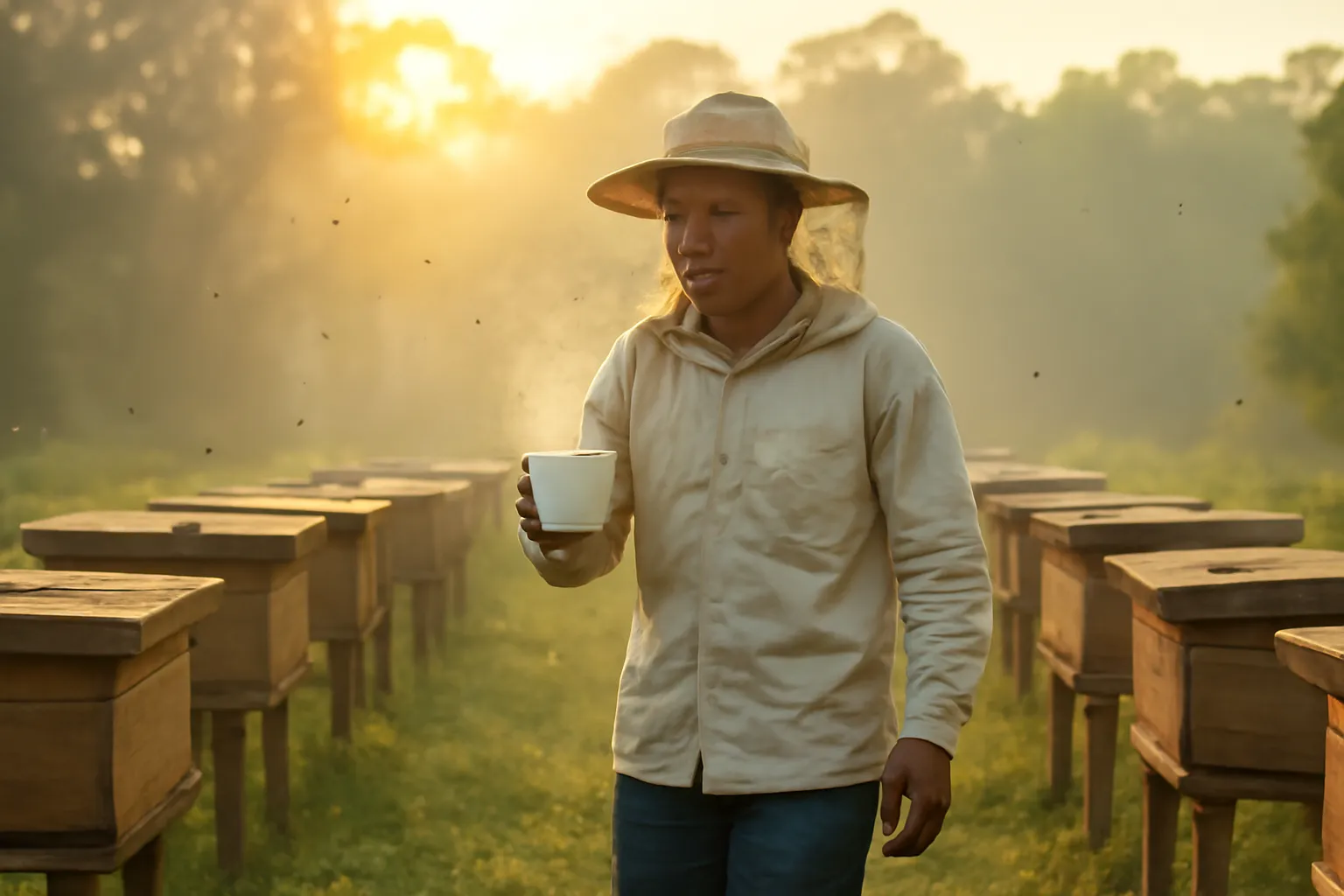
A Misty Morning at the Highland Stingless Bee Hives
On a misty highland morning stingless bees stay inside until the air warms, so the first hours at the hives are about listening, looking at entrances
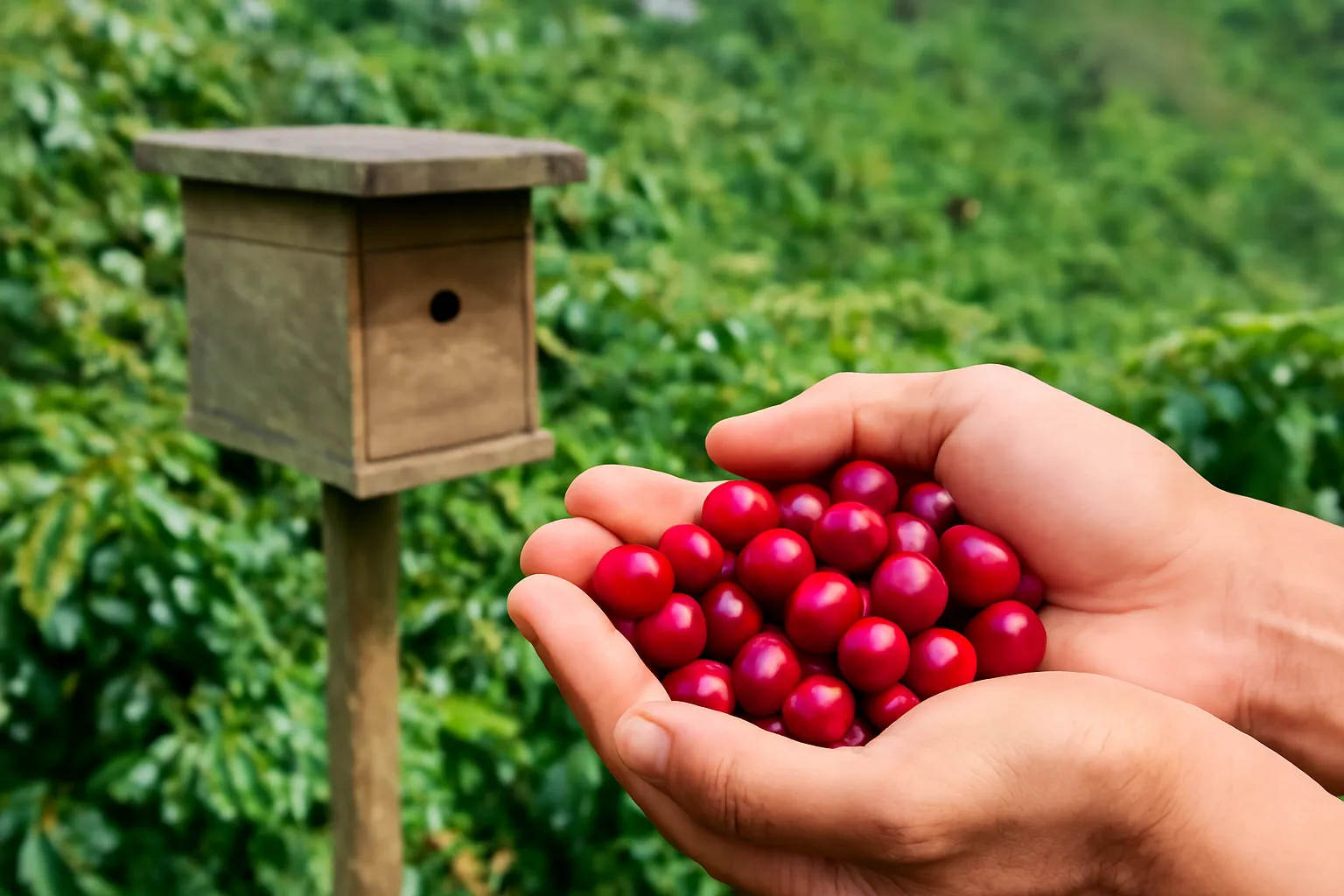
Coffee Harvest Month at a Highland Stingless Bee Farm
During the coffee harvest in Lam Dong, the bushes have long finished flowering, so stingless bees turn to other forage and the hives grow quieter. For
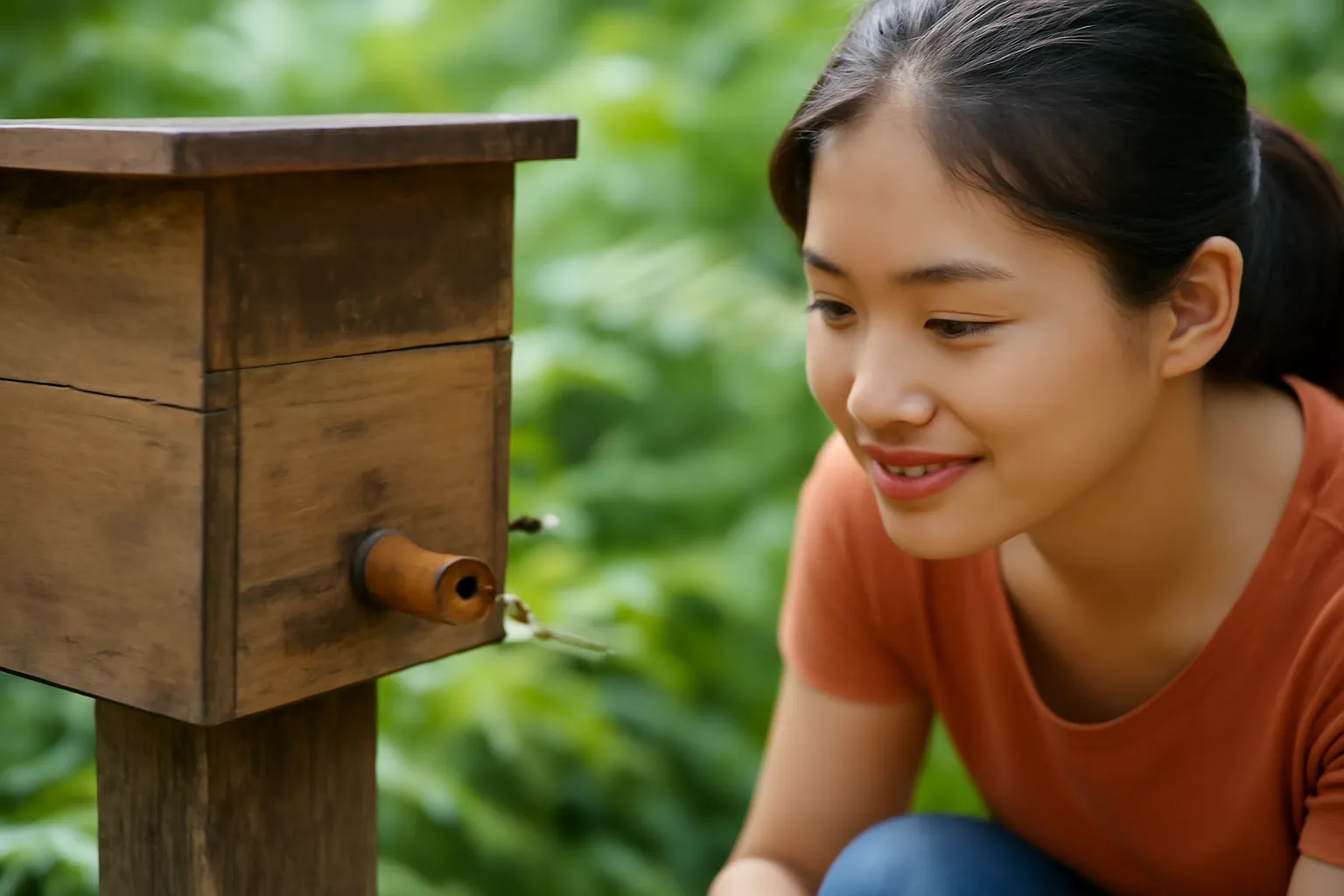
How to Photograph Stingless Bees: Phone and Camera Tips
To photograph stingless bees, shoot from the side of the hive entrance in soft mid-morning light, focus on the guard bees at the tube, use burst mode
 ›
×
›
×

MoraBee is the international name of Ong Moc, a stingless bee farm in Ta Dung, Lam Dong, among forest and coffee gardens: unblended honey in clean jars, starter colonies, and farm visits.
Vietnamese stingless bee honey from the highlands
A brand by Tên Miền Đẳng Cấp
© 2026 MoraBee. All rights reserved. · Copyright · OD-3864-C503