
Things to Do in Ta Dung: Lake Views, Forest Walks and Bees
The best things to do in Ta Dung are simple: watch sunrise from a hill above the lake and its scattered green islands, take a boat across the water, walk through forest edges and coffee gardens, and spend a slow mid-morning at a stingless bee farm. The trick is timing. The lake is best in early and late light, while the bees only come alive once the sun has warmed their boxes.
This guide is written for travellers who want to fit those pieces together without rushing, and who would rather see how people actually live and farm in the highlands than tick off viewpoints.
Where Ta Dung is, and what makes it worth the trip
Ta Dung is a highland area in Lam Dong province, in Vietnam's Central Highlands, roughly between Saigon and the plateau towns further north. Its centre of attention is a large reservoir created when a river valley was flooded for a hydropower dam. The old hilltops became islands, and from above the water looks like a scatter of green humps in blue, which is why Vietnamese travellers sometimes compare it to Ha Long Bay.
What travellers often miss is that the lake is only half of Ta Dung. Around it are forested slopes, coffee and pepper gardens, and small farms where families grow fruit and keep animals. The climate is cooler and wetter than the lowlands, mornings are often misty, and the land is used intensely but quietly.
That farming landscape is also where stingless bees live. These tiny dark bees, called ong du in Vietnamese, nest naturally in hollow trees at the forest edge and work the flowers of coffee, fruit trees and wild shrubs. Keeping them in wooden boxes is an old practice in parts of Southeast Asia, and a visit to a bee farm gives you a way into the landscape that a viewpoint alone cannot.
Ta Dung is not a resort town. Accommodation is mostly homestays and small lodges, roads can be steep and narrow, and services are thinner than in the big tourist hubs. For many visitors that is exactly the appeal, but it is worth planning with that in mind.
A day that follows the light and the bees
Before sunrise: climb to a viewpoint. Homestays usually know a nearby hill or deck facing the lake. Mist often fills the valley and lifts as the sun rises.
Early breakfast with coffee. Highland coffee is mostly grown on the slopes you can see. A slow cup while the mist clears is part of the experience.
Mid-morning: the bee farm. Arrive once the sun is on the hives, usually a few hours after sunrise. Stingless bees stay in on cold mornings and fly busily when it warms.
Late morning: a short forest or garden walk. Paths between coffee rows and along forest edges show you the plants the bees depend on. Ask locals which paths are fine to walk.
Lunch somewhere simple. Local eateries serve lake fish and highland vegetables. Portions and menus vary a lot, so ask what is fresh that day.
Early afternoon: rest. The highland sun is strong at midday, and in the wet season showers often arrive after lunch. It is a good window for a nap or a book.
Mid-afternoon: boat on the lake. Boat operators take visitors between the islands. Agree the route and duration before setting off, and wear a life jacket.
Late afternoon: a second viewpoint. The light over the islands turns golden before sunset. Photos from the water and from the hills look completely different.
Evening: early night. Highland evenings are cool. Bring a warm layer, and do not expect a nightlife scene.
If it rains: change the order. Do the bee farm whenever there is a dry, bright gap, and save the lake for the next clear spell.
Stay two nights if you can. One night means one sunrise, and mist or cloud can hide it. A second morning gives you a second chance.
Travelling to Ta Dung with children or older relatives
Ta Dung works well for families, but the pace has to be gentler than a typical sightseeing day. Viewpoints often involve a short, steep climb on loose soil, so choose one with an easy path for grandparents and carry small children on the last stretch rather than letting them run near drops.
Children usually love the bee farm more than adults expect. The bees are tiny, they cannot sting, and the guard bees at the entrance behave like little doormen, inspecting every bee that lands. Give each child an adult partner near the hives, show them how to stand to the side of the entrance, and let them watch as long as they like.
Older relatives may prefer to sit on a bench near the hives while others walk the garden paths. Ask the farm in advance whether there is shade and seating, and mention anyone who has trouble with slopes, so the keeper can suggest the easiest spot.
Boat trips are a highlight for most families, but insist on life jackets for everyone, especially children, and avoid going out when the wind picks up or storm clouds are building. Keep the afternoon light: an early dinner and an early night set everyone up for another sunrise.
When to go, and what changes through the year
The Central Highlands have a drier season and a wetter season. Broadly, the dry months make roads easier and skies clearer, while the wet months turn everything intensely green but bring afternoon storms and slippery slopes. Neither is wrong; they are simply different trips.
For the bees, the dry season is when some important flowering happens, including coffee blossom, when the slopes smell sweet and white flowers cover the bushes for a short time. Coffee blooms after the first good water in the dry months, so the exact week changes from year to year. If seeing it matters to you, ask the farm shortly before you book.
Later in the year comes the coffee harvest, when pickers move along the rows and red cherries are spread to dry. The bees are quieter then because the coffee is no longer flowering, but it is a lively time to see the farming side of Ta Dung.
Vietnamese holidays, especially the Lunar New Year and long weekends, bring domestic tourists and full homestays. If you prefer quiet, check the calendar and avoid those dates, or book well ahead.
Practical tips for travellers
Contact the bee farm ahead. Ong Moc is on Thac Ba Tang road in Ta Dung commune. Call or Zalo +84 818 83 22 83 a day or two before, so someone is there.
Have your accommodation call for you. If you do not speak Vietnamese, homestay hosts are usually happy to make a quick call or send a message.
Hire transport with a driver who knows the roads. Slopes are steep and some tracks become muddy in the wet season. Local drivers know which ones to avoid after rain.
Carry cash. Small farms, boats and eateries may not take cards. Ask your host about the nearest ATM before you arrive.
Dress in layers. Mornings and evenings can be cool, middays hot. A light rain jacket earns its space in the bag.
Wear shoes with grip. Red highland soil is slippery when wet, on viewpoint paths and between coffee rows alike.
Bring insect repellent, but not near the hives. Apply it before you leave, and keep strong scents away from bee boxes at the farm.
Ask before entering any garden. Coffee and fruit gardens are private land. A smile and a question are almost always answered kindly.
Do not fly drones over people or farms without asking. Many visitors bring drones for lake shots. Ask locals and check current rules before flying.
Leave wild bee nests alone. If you spot bees in a hollow tree during a walk, enjoy the sight but do not cut or open it.
Take your rubbish back. Waste collection is limited in rural areas. Bring a bag and pack out what you bring in.
Frequently asked questions
How many days do you need in Ta Dung?
Two nights is comfortable: it gives you two sunrises over the lake, a full morning at a farm and time for a boat trip. One night works if you are short on time, but weather can hide the view.
Is Ta Dung worth visiting for foreigners?
For travellers who enjoy landscapes, rural life and quiet, yes. It has fewer services and less English than major tourist towns, so a little planning and a patient attitude help.
What time of day are stingless bees most active?
Usually from mid-morning, once the sun has warmed the hives, until mid-afternoon. On cold or rainy mornings activity starts later or barely at all.
Can I visit the bee farm and the lake on the same day?
Yes. Do the lake viewpoint at sunrise, the bee farm in the late morning, and a boat ride or second viewpoint in the afternoon light.
Is the bee farm visit safe for people afraid of bees?
Stingless bees cannot sting, and the keeper will keep you to the side of the entrances. People who are nervous often relax within minutes once they see how small the bees are.
Is it easy to find English speakers in Ta Dung?
Not always. Translation apps work for most situations, and homestay hosts can often help with phone calls to farms or drivers.
Written by the team behind a working stingless bee farm about 40 km from Ho Chi Minh City, Vietnam. Articles come from day-to-day work at the farm; technical figures are stated as ranges, not promises.
About the team →
First Rains at the Hives: How Stingless Bees Respond
When the first rains arrive after the dry months, stingless bees close down during showers and rush out in the gaps between them. Entrances get busier
Visiting a Stingless Bee Farm Near Ta Dung: What to Expect
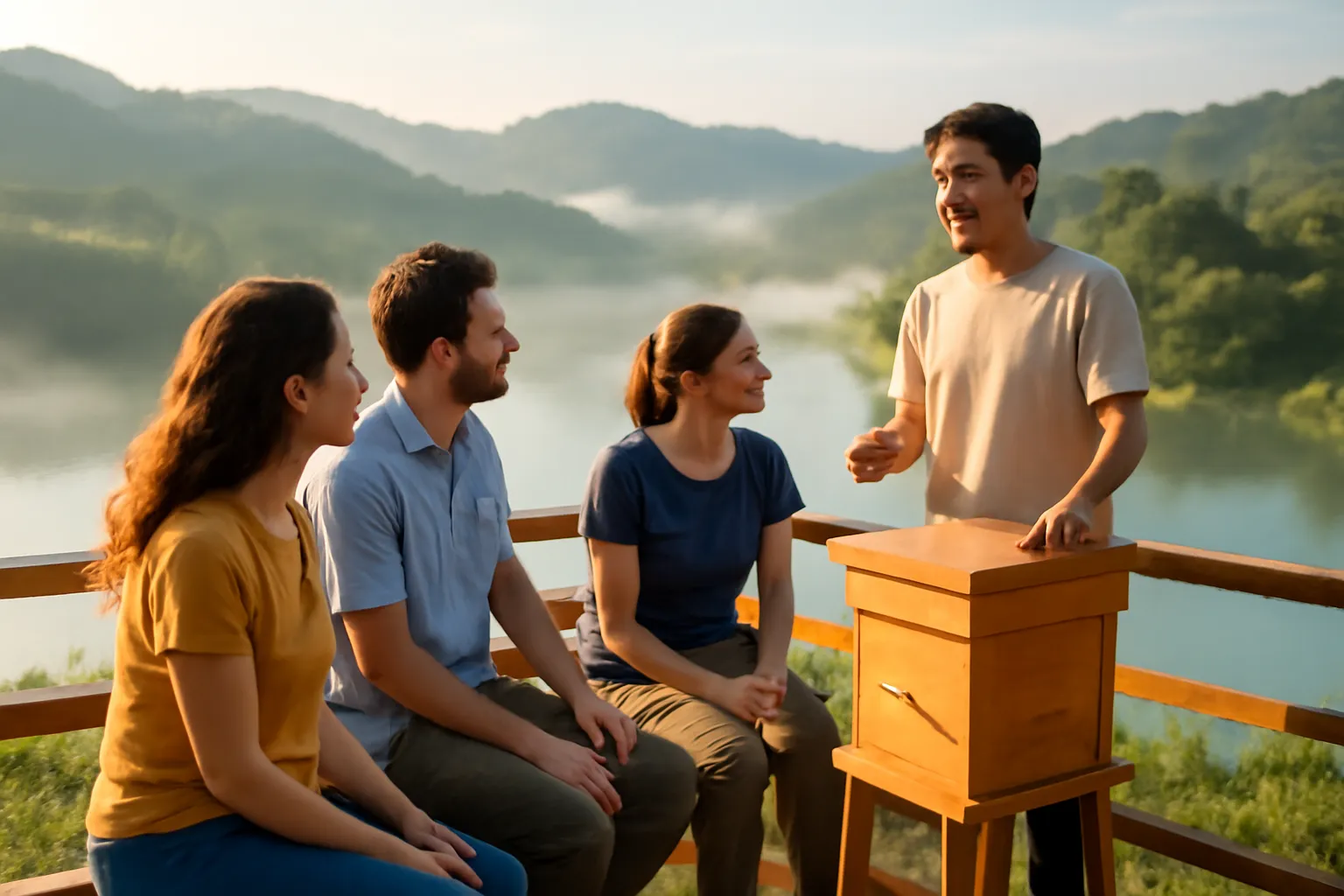
A visit to the Ong Moc stingless bee farm near Ta Dung is a slow morning: watching tiny bees at the hive entrances, seeing how the wooden boxes are ke
A Misty Morning at the Highland Stingless Bee Hives
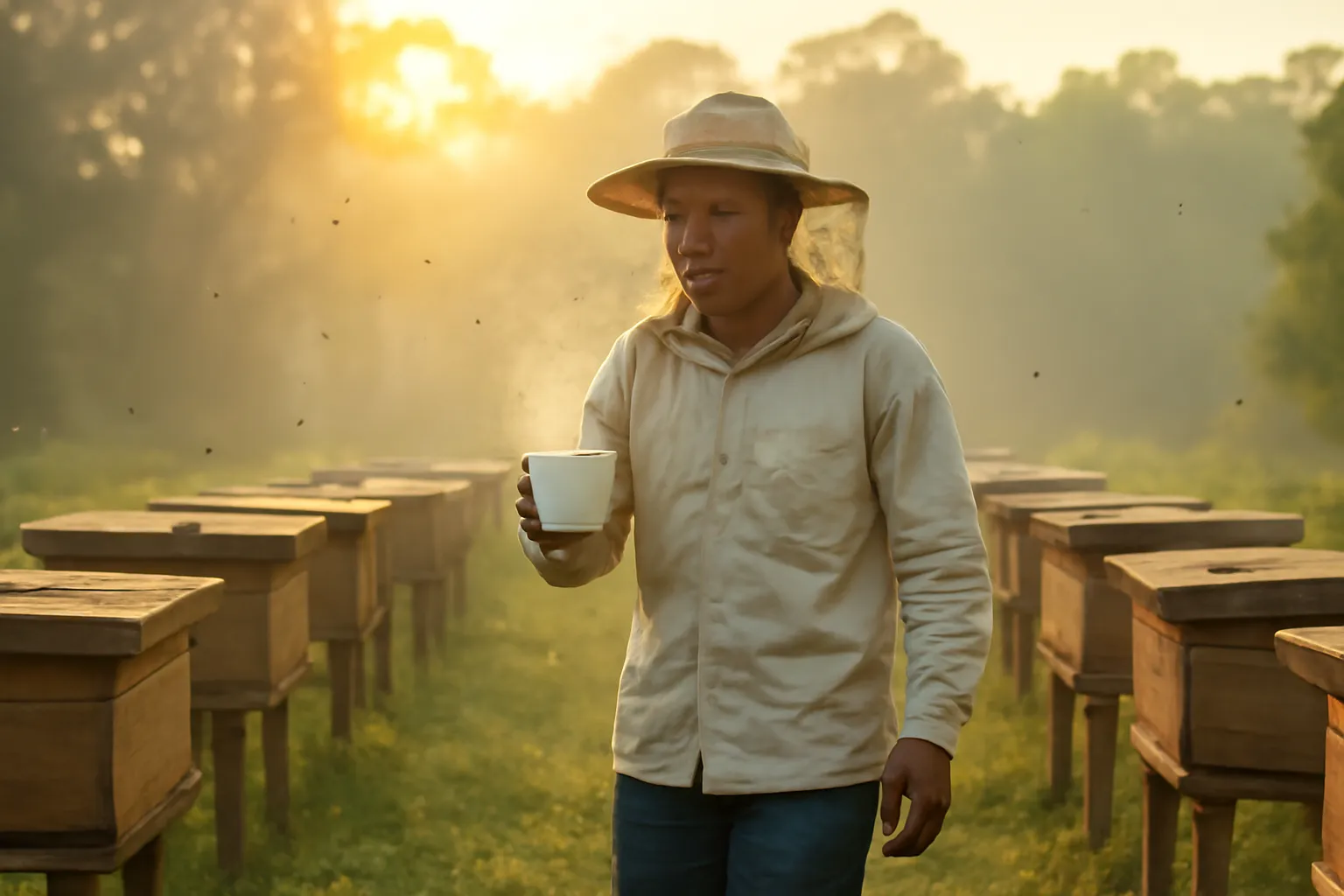
On a misty highland morning stingless bees stay inside until the air warms, so the first hours at the hives are about listening, looking at entrances
Coffee Harvest Month at a Highland Stingless Bee Farm
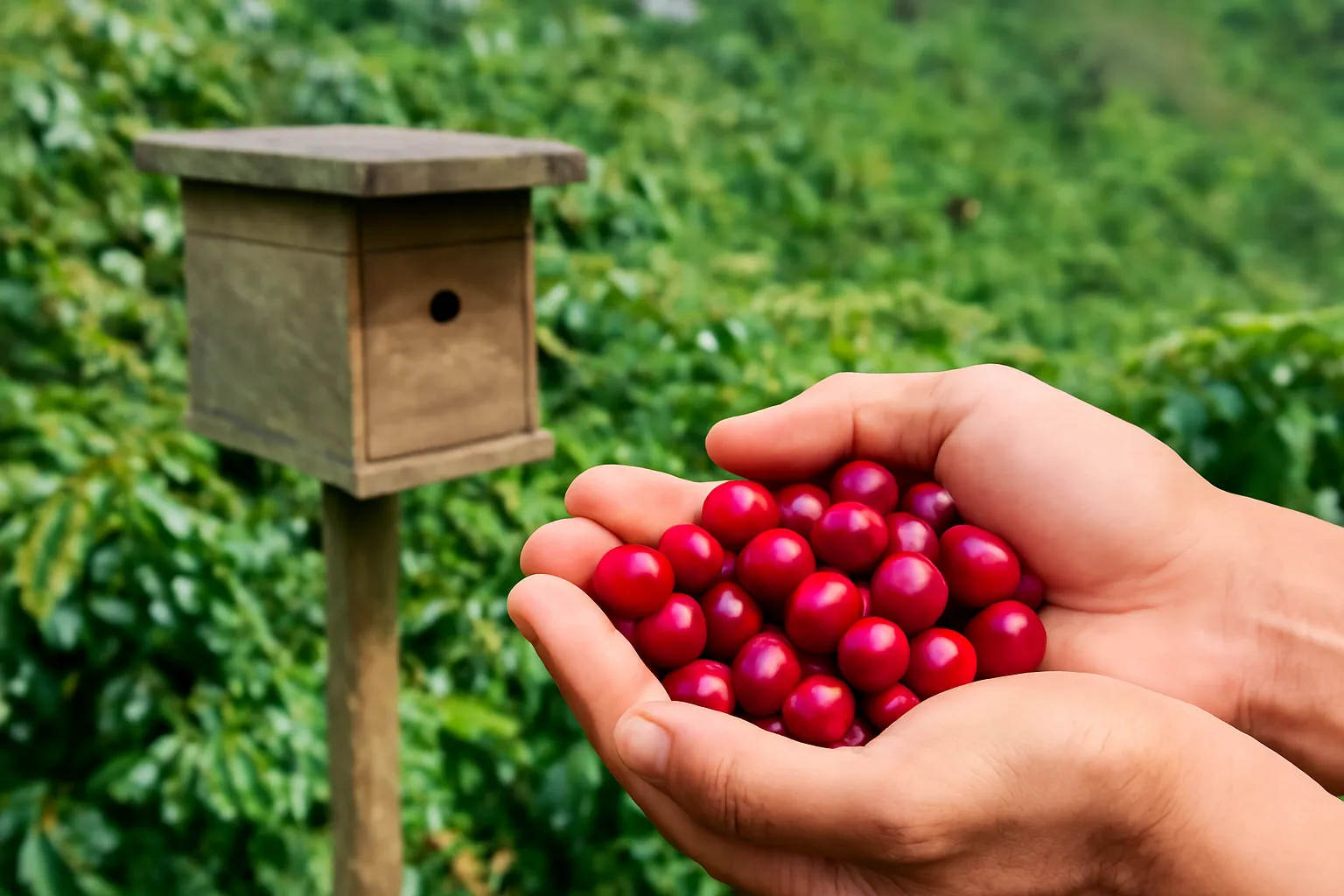
During the coffee harvest in Lam Dong, the bushes have long finished flowering, so stingless bees turn to other forage and the hives grow quieter. For

How to Photograph Stingless Bees: Phone and Camera Tips
To photograph stingless bees, shoot from the side of the hive entrance in soft mid-morning light, focus on the guard bees at the tube, use burst mode
 ›
×
›
×

MoraBee is the international name of Ong Moc, a stingless bee farm in Ta Dung, Lam Dong, among forest and coffee gardens: unblended honey in clean jars, starter colonies, and farm visits.
Vietnamese stingless bee honey from the highlands
A brand by Tên Miền Đẳng Cấp
© 2026 MoraBee. All rights reserved. · Copyright · OD-3864-C503