How to Photograph Stingless Bees: Phone and Camera Tips
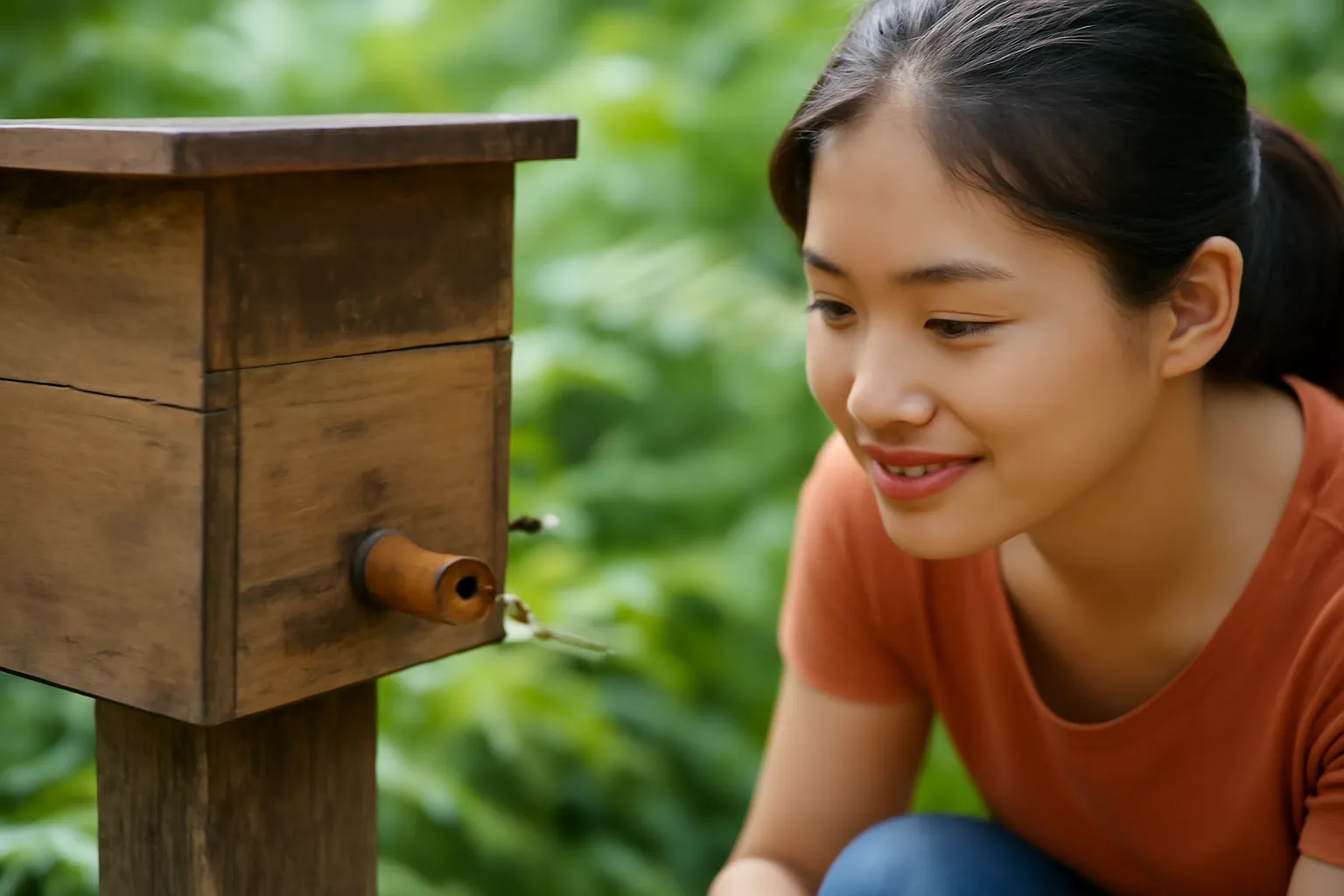
The easiest way to photograph stingless bees is to crouch beside the hive entrance, not in front of it, in soft mid-morning light, and focus on the guard bees standing at the resin tube. Use burst mode or a fast shutter, get as close as your lens allows, and let the bees come to you. Never block the flight path or breathe into the entrance.
These bees are tiny, a few millimetres long, and they move in short, quick bursts. That makes them harder to photograph than butterflies, but also more rewarding. Here is what works at our farm near Ta Dung, with a phone or with a camera.
Why stingless bees are tricky subjects
Stingless bees, the Tetragonula that Vietnamese keepers call ong du, are much smaller than the honeybees most people have photographed. A single bee may fill only a fraction of the frame even on a phone in macro mode, and the dark body against a dark entrance easily turns into a black smudge.
Their flight is also fast and erratic close to the hive. Returning foragers hover, adjust and drop in within a fraction of a second. Trying to follow one bee in flight with a phone usually ends in a blurry streak. It is far easier to photograph bees that are standing still: guards at the doorway, bees resting on the resin tube, or foragers on a flower.
The good news is that the hive entrance is predictable. Guards stand in the same place for long periods, often facing outward, so you can set up, focus and wait. The entrance itself is beautiful too: a tube or funnel of resin, sometimes glossy, sometimes speckled, built differently by every colony.
The other good news is that they cannot sting. You can get close with calm movements, and if a bee lands on your camera or hand it is more likely to be resting than attacking. That freedom makes it possible to work slowly, which is the real secret of good insect photos.
Light, timing and position
Shoot in mid-morning. In the highlands, bees start flying once the sun warms the boxes. Mid-morning brings activity and light that is not yet harsh.
Soft light beats strong sun. Thin cloud or dappled shade gives even light on dark bodies. Midday sun blows out highlights and deepens shadows in the entrance.
Keep the sun behind or beside you. Light falling on the front of the entrance shows the resin texture and the bees' eyes.
Try backlight for wings. With the sun behind the bees, wings glow and flying bees become bright points. Expose for the highlights.
Crouch to the side of the entrance. Never stand in the flight line. A position about forty-five degrees to the side gives a good view without disturbing traffic.
Get to the same height. Shooting level with the entrance makes the bees look like they are on a stage, rather than seen from above.
Use a clean background. Ferns, leaves or shaded wood a little behind the hive blur into a soft green or brown, separating the bees.
Avoid flash. Flash is harsh on dark bodies and resin, and repeated bursts can disturb the guards.
Wait after rain. Wet resin shines and bees come out in a rush once a shower passes. It is one of the best moments of the day.
Give yourself time. Spend ten minutes before shooting just watching where bees land and stand. You will see the shot before you take it.
Ask the keeper about which hive. Some colonies have more photogenic entrances, and the keeper knows which boxes are calm enough to work beside.
Phone settings and techniques that work
Use macro mode or the main lens, not digital zoom. Digital zoom loses detail. Many phones switch to a macro lens automatically when close; otherwise, step back slightly and crop later.
Tap to focus on the guard bees. Lock focus and exposure by holding your finger on the screen, then wait for a bee to step into that spot.
Lower the exposure. Dark bees on a dark entrance fool the camera into overexposing. Slide exposure down a little to keep detail in the resin.
Use burst mode. Hold the shutter while bees land and leave. One frame in many will catch a sharp moment.
Shoot video and grab frames. High-resolution video at a high frame rate lets you pick a still afterwards, especially for flying bees.
Try slow motion. Slow-motion clips of bees landing at the tube are often more striking than photos.
Brace your hands. Rest your elbows on your knees or the hive stand, never on the box lid. Small movements matter at close range.
Clean the lens. Highland mist and fingerprints soften images. Wipe the lens often.
Add a clip-on macro lens if you have one. It brings you closer, but the depth of focus becomes very thin. Expect to throw away many frames.
Turn off flash and night mode. Both slow the camera down or add unwanted light.
Edit gently. A little extra contrast and sharpening helps; heavy filters make the resin look plastic.
Shots worth looking for at a stingless bee farm
Guards facing out. A row of bees standing at the lip of the resin tube is the classic stingless bee portrait.
A forager with full pollen loads. Bees landing with bright pollen on their hind legs add colour against dark resin.
Resin on the legs. Bees carrying glossy resin balls show a behaviour honeybee photos never do.
The entrance as architecture. Pull back slightly and photograph the whole tube or funnel. Every colony builds a different shape.
Bees on coffee blossom. In the dry-season bloom, white coffee flowers with tiny dark bees make a very local image.
Bees on forest flowers. Follow foragers to nearby shrubs and wait at a flower they keep visiting.
The hive in its landscape. A wide shot of the box on its stand among coffee or ferns tells the story of the farm.
Hands at work. With permission, the keeper's hands lifting a lid or holding a tool give scale to the tiny bees.
Honey pots, if a box is open. Round, soft pots of honey and pollen look nothing like honeybee comb. Shoot quickly while the lid is up.
Mist and morning light. Before the bees fly, mist through the hive rows makes a quiet establishing image.
Wet resin after rain. Droplets on the entrance tube catch light beautifully in the first bright minutes after a shower.
Using a dedicated camera, and keeping the colony calm
With an interchangeable-lens camera, a macro lens in the medium focal range lets you stay a comfortable distance from the entrance while filling the frame with a few bees. Start with a fast shutter speed to freeze movement, a moderately closed aperture for more depth of focus, and let the camera raise sensitivity as needed. Focus manually on the edge of the entrance tube and wait for bees to step into it.
Continuous shooting helps, but so does patience. Guard bees often turn their heads or groom their antennae in slow, repeated movements. Watching that rhythm and pressing the shutter as it repeats gets you sharper results than firing constantly.
Whatever you use, the colony comes first. Do not touch the entrance tube, do not move leaves or the lid for a better angle without asking, and do not lean in so close that your face or breath reaches the door. If guards start to rush out or bees gather on you, step back and give the hive a minute.
Finally, show the keeper your best pictures before you leave. People who look after bees every day rarely see them through a macro lens, and it is a nice way to say thank you.
Frequently asked questions
What is the best time to photograph stingless bees?
Mid-morning on a dry day, once the sun has warmed the hives and before midday light gets harsh. Right after a light shower is also excellent, because bees come out quickly and wet resin shines.
Can I take good stingless bee photos with a phone?
Yes. Use macro mode or the main lens, tap to focus on the entrance, lower the exposure slightly and shoot in bursts. Bees standing at the hive entrance are far easier subjects than bees in flight.
Is it safe to get close to stingless bees with a camera?
They cannot sting, so it is safe for you. The risk is to the colony: stay to the side of the entrance, keep your breath away from it and move slowly.
Should I use flash when photographing bees?
It is best avoided. Flash flattens dark bodies and glossy resin, and repeated bursts can disturb the guards. Natural light, even in shade, gives better results.
Why do my bee photos look blurry?
Usually because the bee moved, your hands moved, or focus landed on the background. Brace your elbows, use a faster shutter or burst mode, and lock focus on the spot where bees stand.
Can I photograph inside an open hive?
Only if the keeper opens it and agrees. Inspections are kept short to protect the brood, so be ready before the lid comes off and do not ask for it to stay open longer.
Written by the team behind a working stingless bee farm about 40 km from Ho Chi Minh City, Vietnam. Articles come from day-to-day work at the farm; technical figures are stated as ranges, not promises.
About the team →
First Rains at the Hives: How Stingless Bees Respond
When the first rains arrive after the dry months, stingless bees close down during showers and rush out in the gaps between them. Entrances get busier
Visiting a Stingless Bee Farm Near Ta Dung: What to Expect
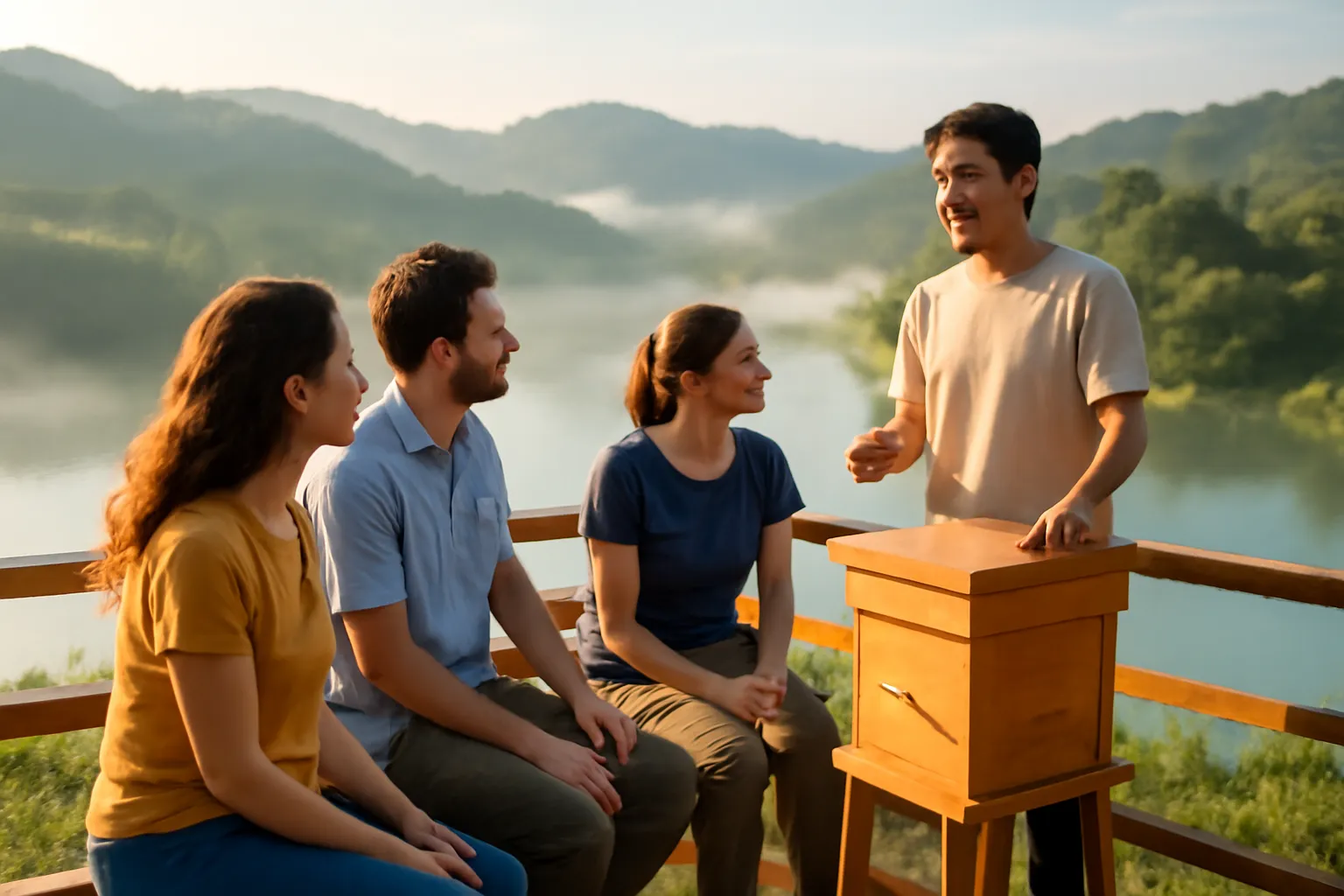
A visit to the Ong Moc stingless bee farm near Ta Dung is a slow morning: watching tiny bees at the hive entrances, seeing how the wooden boxes are ke

Things to Do in Ta Dung: Lake Views, Forest Walks and Bees
In Ta Dung you can watch sunrise over the lake and its green islands, walk forest and coffee trails, take a boat on the reservoir, and spend a mid-mor
A Misty Morning at the Highland Stingless Bee Hives
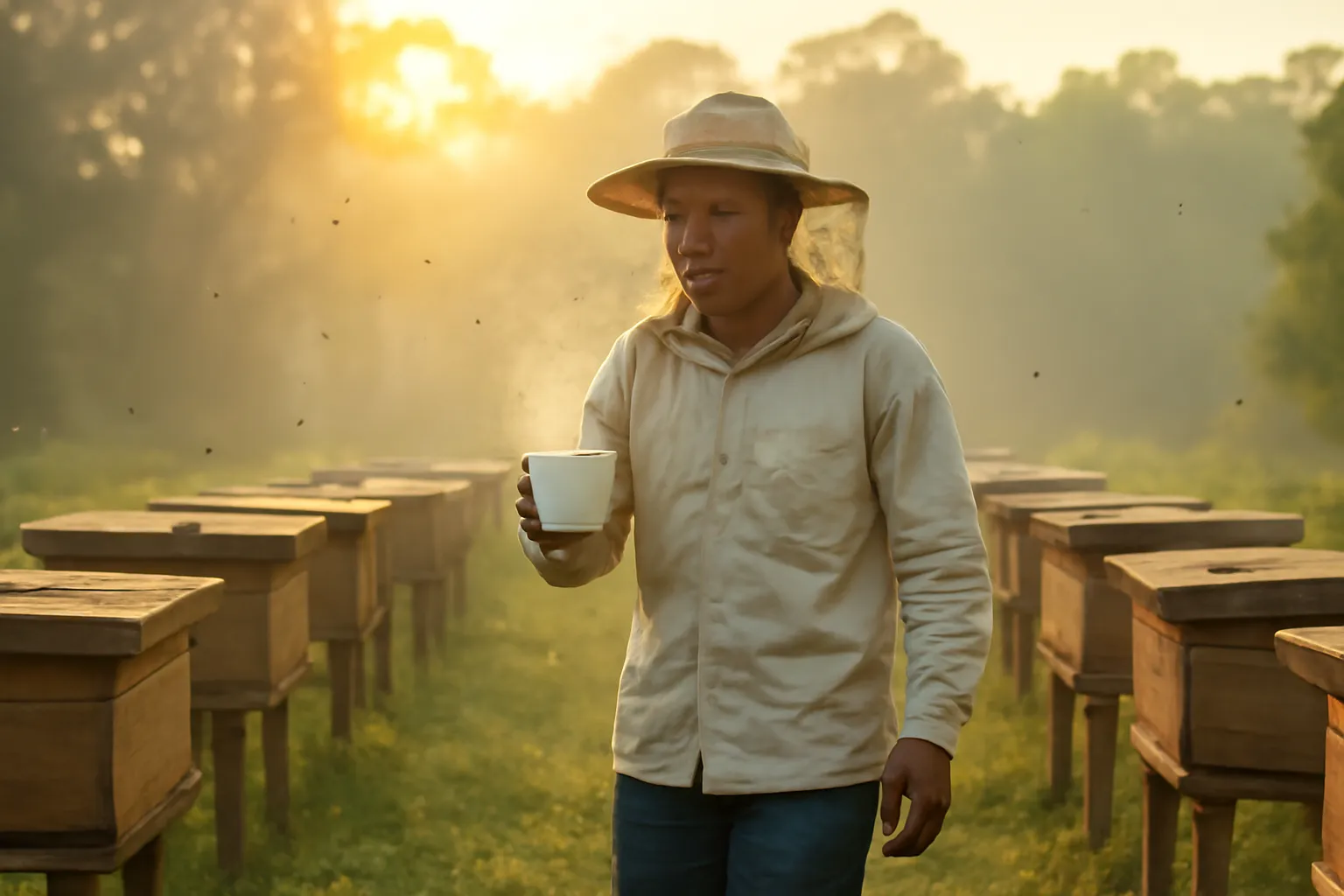
On a misty highland morning stingless bees stay inside until the air warms, so the first hours at the hives are about listening, looking at entrances
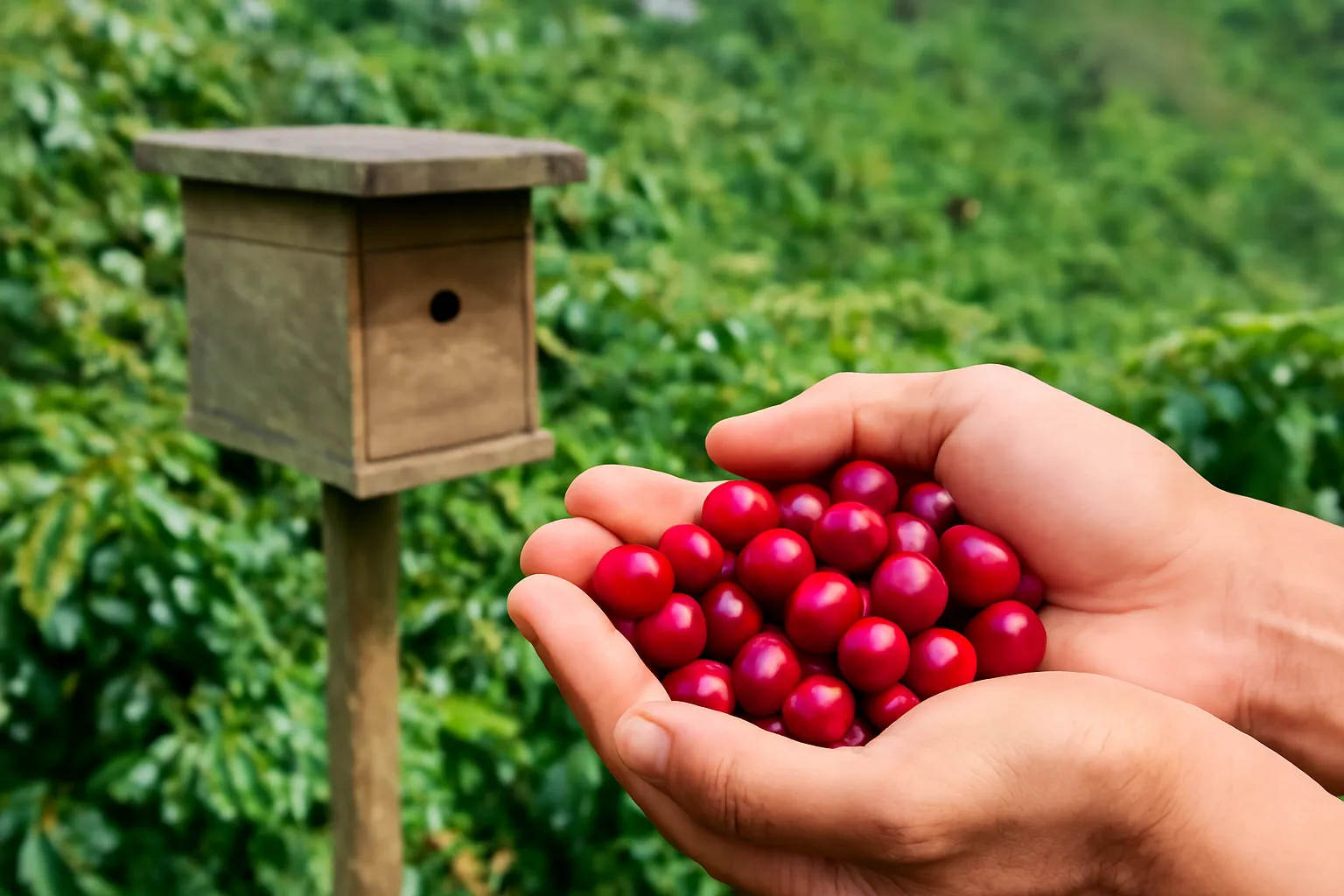
Coffee Harvest Month at a Highland Stingless Bee Farm
During the coffee harvest in Lam Dong, the bushes have long finished flowering, so stingless bees turn to other forage and the hives grow quieter. For
 ›
×
›
×

MoraBee is the international name of Ong Moc, a stingless bee farm in Ta Dung, Lam Dong, among forest and coffee gardens: unblended honey in clean jars, starter colonies, and farm visits.
Vietnamese stingless bee honey from the highlands
A brand by Tên Miền Đẳng Cấp
© 2026 MoraBee. All rights reserved. · Copyright · OD-3864-C503