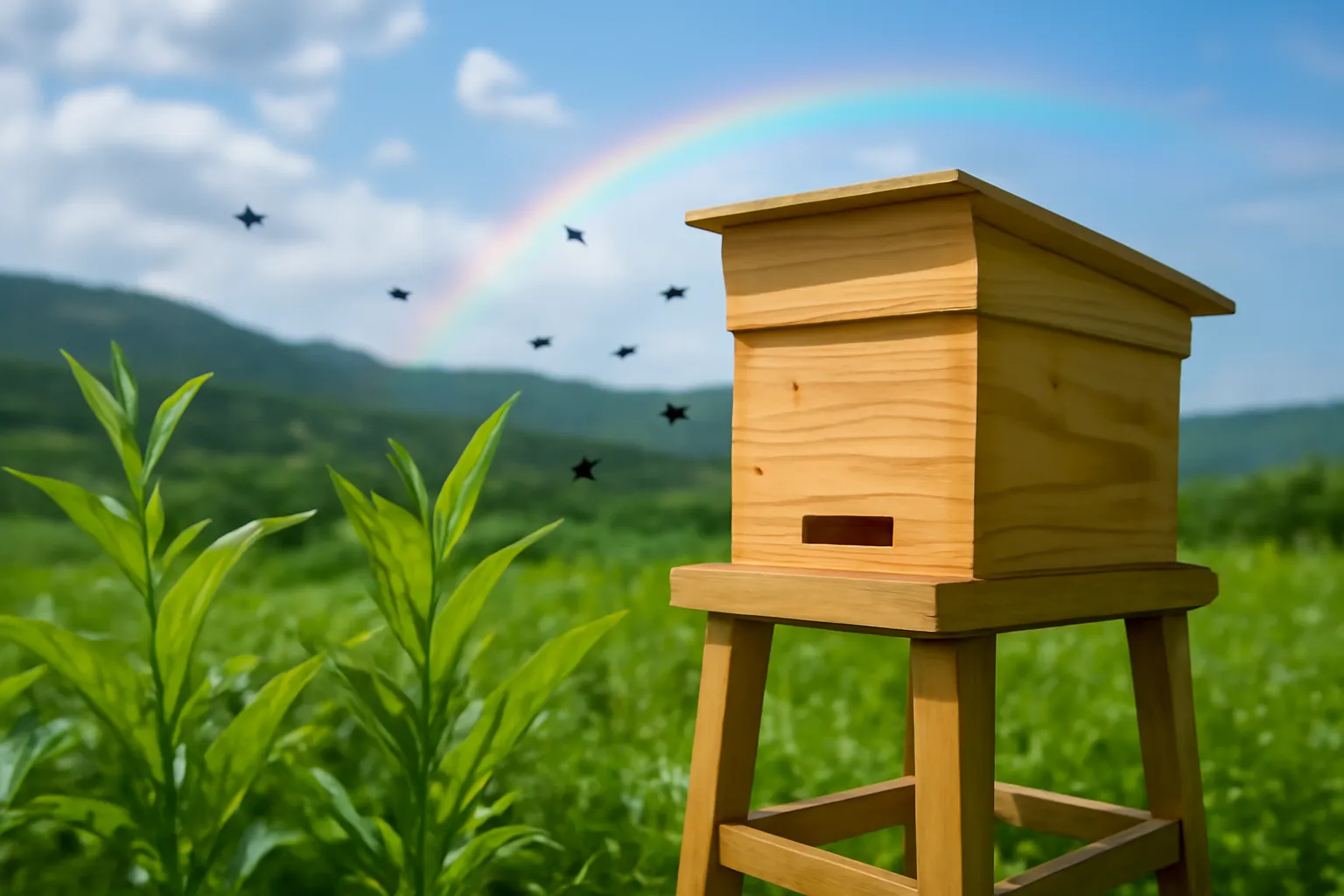
First Rains at the Hives: How Stingless Bees Respond
When the first rains arrive after the dry months, stingless bees shut themselves in during each shower and pour out in the dry gaps between them. Over the following days the entrances grow busier, foragers bring back new pollen and resin, and the forest edge starts to flower again. For the keeper it is a time to check lids, stands and ant barriers before the real wet season settles in.
This diary entry from our farm near Ta Dung follows those first few rainy days, which are among the most hopeful of the year.
The day the rain comes back
By the end of the dry season, the highlands around Ta Dung look tired. Red dust coats the roadside leaves, grass on the slopes has gone pale, and the lake sits lower against its banks. The bees have been working what little is left, and the hives have a dry, resinous smell.
The first rain usually announces itself in the afternoon. Clouds build over the hills, the wind turns cool, and in the minutes before the drops arrive the bees seem to know. Foragers come home in a hurry and the entrance traffic thins out until only the guards remain at the tube, sometimes pulling back inside.
Then the rain hits. Stingless bees, the small Tetragonula called ong du in Vietnamese, are too light to fly in heavy rain; drops can knock them down. The colony simply waits. Inside the box it is dry and dark, and the bees carry on with brood care and building.
Afterwards comes the smell that everyone in the highlands knows: wet red earth, crushed leaves, and from the forest a sharp green scent. Within a short while of the sky clearing, the first bees reappear at the doorways, and soon the air in front of the hives is busy again.
What changes at the entrance in the first rainy days
Short, intense bursts of flying. Between showers, foragers leave in quick waves. Activity can look higher than on a dry day because the colony is catching up.
More resin coming in. Many colonies collect extra resin after rain, possibly to seal gaps and keep the nest dry. Watch for shiny lumps on returning bees' legs.
New pollen colours. As plants respond to the rain, the colours of pollen loads begin to change from what you saw in the dry weeks.
Wet bees at the door. Some returning bees land damp and pause to groom. Do not mistake this for weakness.
The entrance tube may be narrowed. Some colonies make their doorway smaller with resin in wet weather. It is their own adjustment; leave it alone.
Guards are more alert. Changes in weather can bring more intruders, and guards respond by standing thicker at the tube.
Dead bees after storms. A heavy storm may catch a few foragers outside. Some losses are normal.
Swarming ants and termites. Flying ants and termites often emerge after early rains. They usually do not target the hive, but they are a sign that ants are on the move.
Frogs and lizards near the stands. Wet weather brings bee-eating animals closer. Raised stands and a clear area around them help.
Puddles under the hives. Water collecting under boxes raises humidity and splashes mud onto the base. Fill or drain low spots.
Calm days return quickly. Once the rains settle into a pattern, the colonies find their rhythm and work the dry hours each day.
What the keeper does in the first week of rain
The first job is the roof. Dry-season sun warps wood and cracks covers, and the first heavy shower shows every weak point. After the storm passes, each lid is checked for leaks, and any box with damp wood on top gets a better cover or a slight tilt so water runs off.
Next come the ant barriers. Many stands sit in dishes of water or have bands on their legs. Rain overfills dishes, splashes soil into them, and washes off sticky barriers, while ants that were quiet through the dry season start moving nests. A morning walk along the stands, looking for trails, saves colonies at this time of year.
Inspections stay short and are timed for warm, dry spells, never during a shower. The keeper looks at honey and pollen stores, because the end of the dry season can leave some colonies light. Most are fine. Those that are not are watched closely as new flowers come in.
This is also a good time to look at hive placement with fresh eyes. A box that baked in the dry season may now sit in a stream path or under a dripping branch. Moving boxes is best done gently and in short distances, and only when needed, but it is far easier now than in the middle of the wet season.
What the first rains mean for the year ahead
The first rains do not fill honey pots overnight. What they bring is a turn in direction. Through the late dry season the keeper watches colonies hold on to their stores; after the rain, the question becomes how quickly each colony rebuilds.
Strong colonies usually respond first, with more foragers out in every dry gap and a steady stream of pollen. Pollen means brood, and brood means more workers a few weeks later. That is the start of the colony's growth for the season.
Weaker colonies may take longer, and a run of very wet days can slow them further, because foragers simply cannot get out. The keeper's job is not to force anything, but to make sure nothing else is working against them: no leaks, no ants, no puddles under the box.
Standing among the hives after the first real storm, with the hills steaming and the bees streaming out again, it is easy to see why highland keepers count these days among the best of the year. The hard part of the dry season is over, and the work of the wet season has not yet begun in earnest.
Flowers and forage after the first rains
Weeds and ground cover flower first. Small flowers between coffee rows and along tracks often respond quickly to rain, giving bees an early boost.
Forest-edge shrubs follow. Shrubs and climbers along the forest margin flush with new leaves and, in many cases, flowers.
Fruit trees vary. Some fruit trees around homes flower in this period, others do not. Watch what your bees bring back rather than assuming.
Coffee has usually already bloomed. In much of the Central Highlands, coffee flowers earlier, in the dry season. The first rains of the wet season are not usually coffee time.
Resin trees become important. Bees seek out fresh resin from wounded bark and new growth after rain.
Water is no longer scarce. Bees no longer need the water dishes keepers provided in the dry months, but those dishes now need cleaning to stop mosquitoes breeding.
Forage is close to home. Stingless bees forage near their hive, so the plants within a short walk matter most.
Keep some wild growth. Clearing every weed after rain removes early forage. Leave patches where possible.
Spraying returns with the growth. Farmers often begin plant protection work as crops respond to rain. Read labels, spray outside bee hours and respect withholding periods.
Honey will change. Honey from the wet season tastes different from dry-season honey, often lighter or more floral, depending on what flowered.
Do not rush the harvest. Colonies first rebuild strength after the dry months. Harvesting too early can leave them short.
Frequently asked questions
Do stingless bees fly in the rain?
Not in steady or heavy rain. They are so light that drops can knock them down, so they stay inside and rush out in the dry gaps between showers.
Can rain harm a stingless bee colony?
Rain itself is not the danger; water getting into the box is. Leaky lids, boxes sitting in puddles and constant damp can lead to mould, rot and pests, so roof covers and stands matter.
Why are my bees bringing in so much resin after rain?
Many colonies collect extra resin when the weather changes, likely to seal gaps and manage moisture inside the nest. It is a normal and healthy behaviour.
Should I feed stingless bees at the start of the rainy season?
Usually not. New flowers appear quickly after the first rains. Check stores first, and only consider feeding with advice from an experienced keeper, because feeding badly attracts ants and wasps.
When does the rainy season start in the Central Highlands?
The wet season usually arrives after several dry months, often around April or May, but the timing of the first rains varies from year to year. Local farmers watch the sky, not the calendar.
Is it a good time to visit a bee farm in the first rains?
It can be beautiful, with fresh green hills and busy hives between showers. Come in the morning, bring a rain jacket and contact the farm ahead so plans can shift with the weather.
Written by the team behind a working stingless bee farm about 40 km from Ho Chi Minh City, Vietnam. Articles come from day-to-day work at the farm; technical figures are stated as ranges, not promises.
About the team →
Visiting a Stingless Bee Farm Near Ta Dung: What to Expect
A visit to the Ong Moc stingless bee farm near Ta Dung is a slow morning: watching tiny bees at the hive entrances, seeing how the wooden boxes are ke

Things to Do in Ta Dung: Lake Views, Forest Walks and Bees
In Ta Dung you can watch sunrise over the lake and its green islands, walk forest and coffee trails, take a boat on the reservoir, and spend a mid-mor
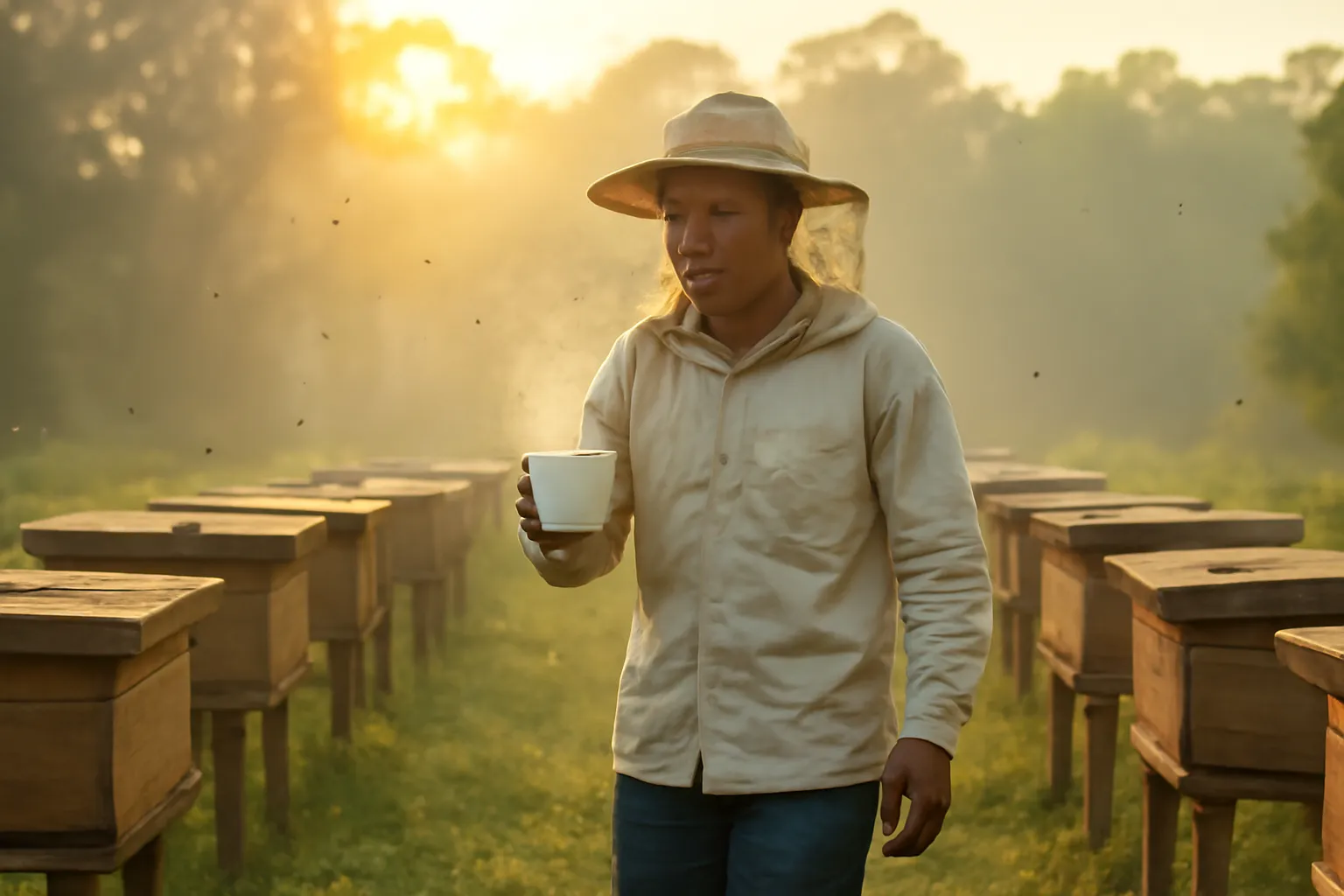
A Misty Morning at the Highland Stingless Bee Hives
On a misty highland morning stingless bees stay inside until the air warms, so the first hours at the hives are about listening, looking at entrances
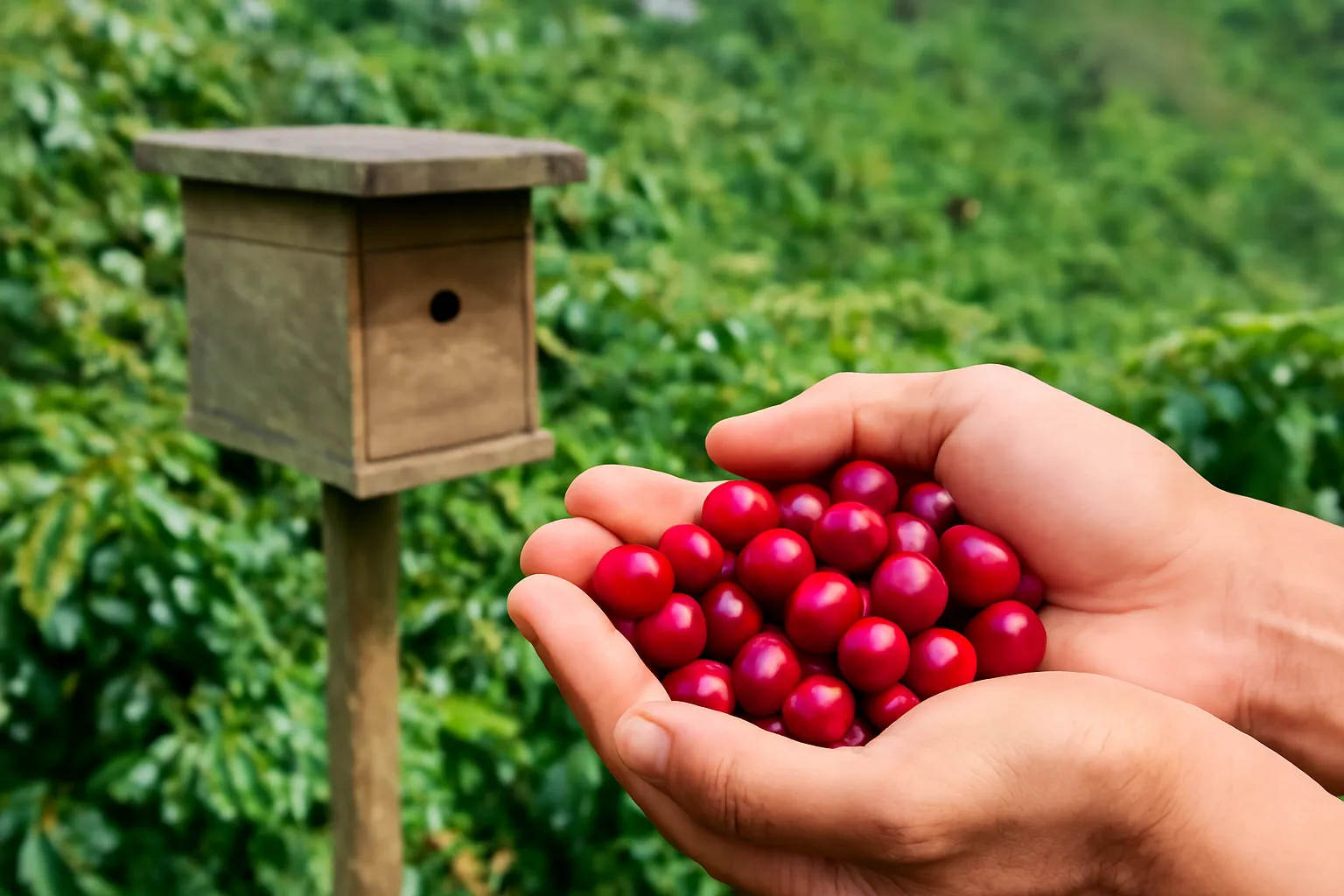
Coffee Harvest Month at a Highland Stingless Bee Farm
During the coffee harvest in Lam Dong, the bushes have long finished flowering, so stingless bees turn to other forage and the hives grow quieter. For
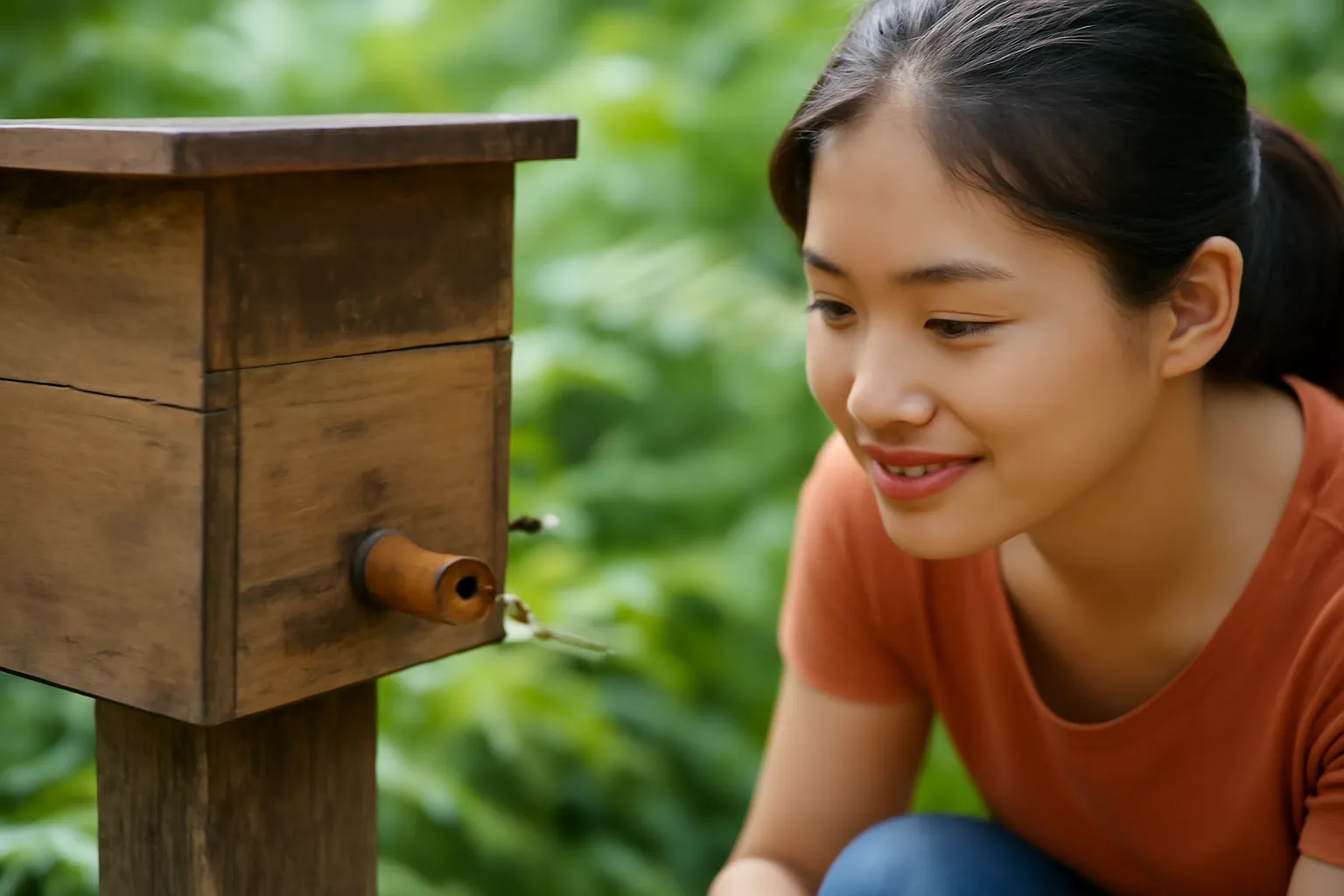
How to Photograph Stingless Bees: Phone and Camera Tips
To photograph stingless bees, shoot from the side of the hive entrance in soft mid-morning light, focus on the guard bees at the tube, use burst mode
 ›
×
›
×

MoraBee is the international name of Ong Moc, a stingless bee farm in Ta Dung, Lam Dong, among forest and coffee gardens: unblended honey in clean jars, starter colonies, and farm visits.
Vietnamese stingless bee honey from the highlands
A brand by Tên Miền Đẳng Cấp
© 2026 MoraBee. All rights reserved. · Copyright · OD-3864-C503