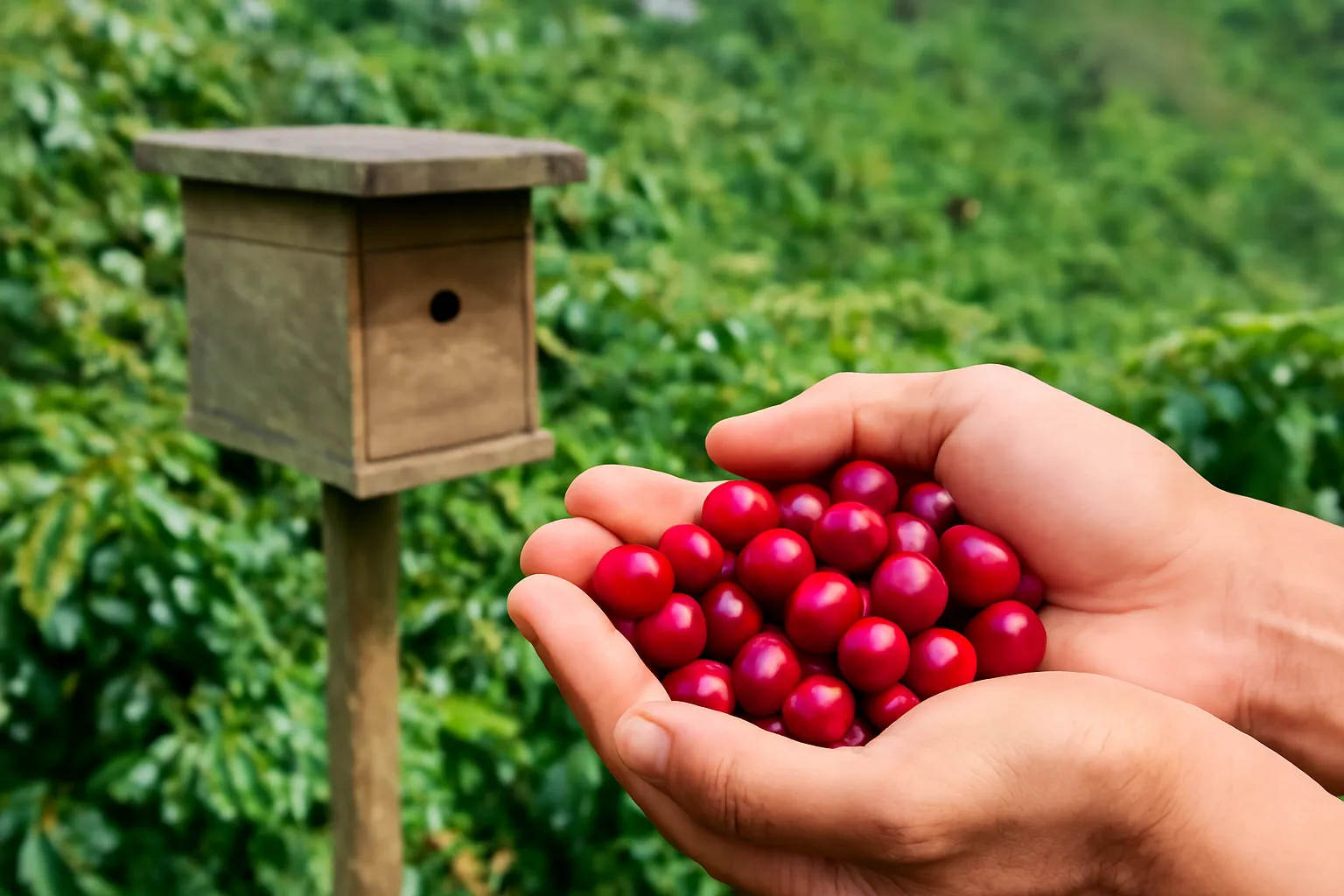
Coffee Harvest Month at a Highland Stingless Bee Farm
During the coffee harvest in Lam Dong, the slopes are full of pickers and red cherries, but for stingless bees it is a quiet time: the coffee finished flowering many months earlier, so the bees rely on whatever else is in bloom and the hives slow down. For the keeper, harvest month is about watching food stores, keeping boxes clean and dry, and getting ready for the next coffee bloom.
This diary entry follows that month at our farm near Ta Dung, where the bee boxes sit among coffee and the two calendars, coffee and bees, are always running side by side.
The slopes in harvest month
Coffee harvest in the Central Highlands comes toward the end of the year, as the rains ease. The bushes, which months earlier were covered in white flowers that smelled almost like jasmine, are now heavy with clusters of cherries turning from green to red. Picking happens over several weeks because cherries on the same branch do not ripen at once.
The farm sounds different then. There is talk and laughter from the rows, the rustle of branches being stripped, sacks being dragged to the end of each line. Motorbikes carry loads up and down the tracks. Around houses and on concrete yards, cherries are spread out in thick red and brown layers to dry in the sun, raked over again and again through the day.
For a visitor this is one of the liveliest times to come to Ta Dung. For the bees, it is the opposite. Coffee is one of the most important flowers of their year, but its bloom happens in the dry season, long before harvest. By harvest month the coffee offers them nothing, and the foragers spread out to the forest edge, roadside shrubs, fruit trees and weeds between the rows.
That is why we think of harvest month as the bees' quiet season, even though it is the busiest time for the people around them.
What changes at the hives during the coffee harvest
Fewer foragers at the entrance. With less nectar around, colonies send out fewer bees and spend more time inside. A slower entrance is expected, not a sign of trouble by itself.
Pollen colours change. Loads on the bees' legs come from different plants than in coffee blossom season. Noting the colours is a simple way to follow what is flowering.
Honey stores are used, not built. Colonies draw on what they stored earlier. This is not the time to harvest honey.
More resin work. Bees often keep collecting plant resin, sealing gaps and building, even when nectar is thin.
Pests notice weak colonies. A colony that is short on bees has fewer guards. Flies and ants test entrances more often in lean periods.
People move around the hives more. Pickers working near boxes may knock a stand by accident. Telling everyone where the hives are avoids it.
Dust from tracks and yards. Busy dirt tracks raise dust in dry spells. Boxes near the road may need wiping and better placement next year.
Drying cherries smell strong. Fermenting fruit smells can attract flies. Keep hives at a sensible distance from piles of fresh pulp and drying yards.
Smoke from burning. Some farms burn prunings or rubbish. Smoke drifting over the boxes stresses the bees; ask neighbours kindly to burn downwind or elsewhere.
Shorter flight days in cool weeks. As the year turns, highland mornings stay cold longer, cutting into flying time further.
A colony that looks weak needs a look, not a guess. On a warm afternoon, a short inspection tells you whether it has food, brood and a healthy population.
Work that fills harvest month for the keeper
Because the bees need little from us during this period, harvest month is a time for maintenance. Stands that have tilted on soft wet-season soil are levelled, ant barriers are refreshed, and lids that warped during the rains are replaced. Shade covers that worked in the wet months are adjusted, because the sun shifts lower and the boxes may now benefit from more morning light.
Inspections are fewer but careful. On a warm, dry afternoon a box might be opened briefly to check honey and pollen pots and the brood cluster. The question is simple: does this colony have enough food to reach the next flowering? A strong colony is left alone. A light one is noted and watched.
It is also a good time to talk with the coffee neighbours. When coffee comes back into flower in the dry season, many gardens also use fertilisers and plant protection products. A friendly word now, while everyone is relaxed after harvest, about spraying away from bee flying hours and following the label, goes further than a worried call in the middle of bloom.
And there is the honey from earlier in the year, already in jars, and the conversations with visitors who come to see the harvest and stay to see the bees. The cherries tell one story about this land, the bees another, and harvest month is when you can see both at once.
Visiting during coffee harvest: what you can see and join
Visitors who come in harvest month often arrive for the bees and leave talking about the coffee. Walking the rows while pickers work, you see how the cherries are stripped, sorted and carried, and how much labour goes into a crop most people only meet as a roasted bean.
Ask before stepping into anyone's garden, and do not pick cherries yourself unless invited. Coffee is the family income for most households here, and a stranger's hand on a branch is not always welcome, even if meant kindly.
At the hives, keep expectations simple. You will see bees at the entrances on warm hours, perhaps a box opened if the weather allows, and you can taste honey gathered earlier in the year. You are unlikely to see a honey harvest, because the colonies need their stores now.
Bring sun protection for the open slopes and shoes that cope with red dust or mud, depending on the week. And bring time: harvest month is busy for the farm, so a short call ahead to agree a time is especially appreciated.
Coffee and stingless bees: how the two calendars fit together
Coffee blossom is short and intense. White flowers open across the slopes for only a few days at a time, usually after water arrives in the dry season.
Bees work the blossom heavily. Stingless bees forage close to home, so a box placed among coffee gets the most out of the bloom.
Honey after bloom tastes of it. Honey collected around coffee flowering often has a recognisable aroma. It differs from honey made from forest flowers.
Pollinators may help coffee set fruit. Studies elsewhere suggest bee visits can help coffee fruit set, though the effect varies by variety and conditions. We do not claim a figure for our farm.
Spraying is the main risk. Products used in coffee can harm bees. Read every label, spray outside bee flying hours and respect withholding periods.
Ask neighbours to warn you. A message before spraying lets the keeper close or move boxes if needed.
Ground cover helps the lean months. Flowering weeds and shrubs between rows give bees something when coffee is not blooming.
Shade trees help too. Many coffee farms plant shade or windbreak trees. Some of them flower and feed bees in other months.
Harvest is not honey time. Many visitors assume the two coincide. In fact, harvest month is usually when the bees have the least to spare.
Water matters after harvest. As the dry season starts, a shallow water source with landing stones near the hives helps the colonies.
Plan the year around the bloom. Repairs, splitting colonies and moving boxes are best done well before coffee flowers, not during it.
Frequently asked questions
When is coffee harvest season in Lam Dong?
Coffee is picked toward the end of the year in the Central Highlands, after the rains ease, and picking stretches over several weeks. Exact timing shifts with variety, altitude and the weather each year.
Do stingless bees make honey from coffee flowers?
Yes, they forage heavily on coffee blossom when it opens in the dry season. Honey collected around that time often carries some of the bloom's aroma.
Why are bee hives quiet during coffee harvest?
Because the coffee is not flowering then. With less nectar around, colonies send out fewer foragers and live on their stores until the next bloom.
Is coffee harvest a good time to visit a bee farm?
It is a lively time to see farm life, pickers and drying cherries, but the bees are less busy and honey harvests are unlikely. Visit for the landscape and the people, and treat the bees as a quieter part of the day.
Do pesticides on coffee farms harm stingless bees?
Some plant protection products can harm bees. Farmers should read the label, avoid spraying while bees are flying and keep to the stated withholding periods.
What do stingless bees eat when coffee is not flowering?
They forage on whatever is in bloom nearby: forest-edge shrubs, fruit trees, roadside plants and flowering weeds between coffee rows. They also live on honey and pollen stored earlier.
Written by the team behind a working stingless bee farm about 40 km from Ho Chi Minh City, Vietnam. Articles come from day-to-day work at the farm; technical figures are stated as ranges, not promises.
About the team →
First Rains at the Hives: How Stingless Bees Respond
When the first rains arrive after the dry months, stingless bees close down during showers and rush out in the gaps between them. Entrances get busier

Visiting a Stingless Bee Farm Near Ta Dung: What to Expect
A visit to the Ong Moc stingless bee farm near Ta Dung is a slow morning: watching tiny bees at the hive entrances, seeing how the wooden boxes are ke

Things to Do in Ta Dung: Lake Views, Forest Walks and Bees
In Ta Dung you can watch sunrise over the lake and its green islands, walk forest and coffee trails, take a boat on the reservoir, and spend a mid-mor
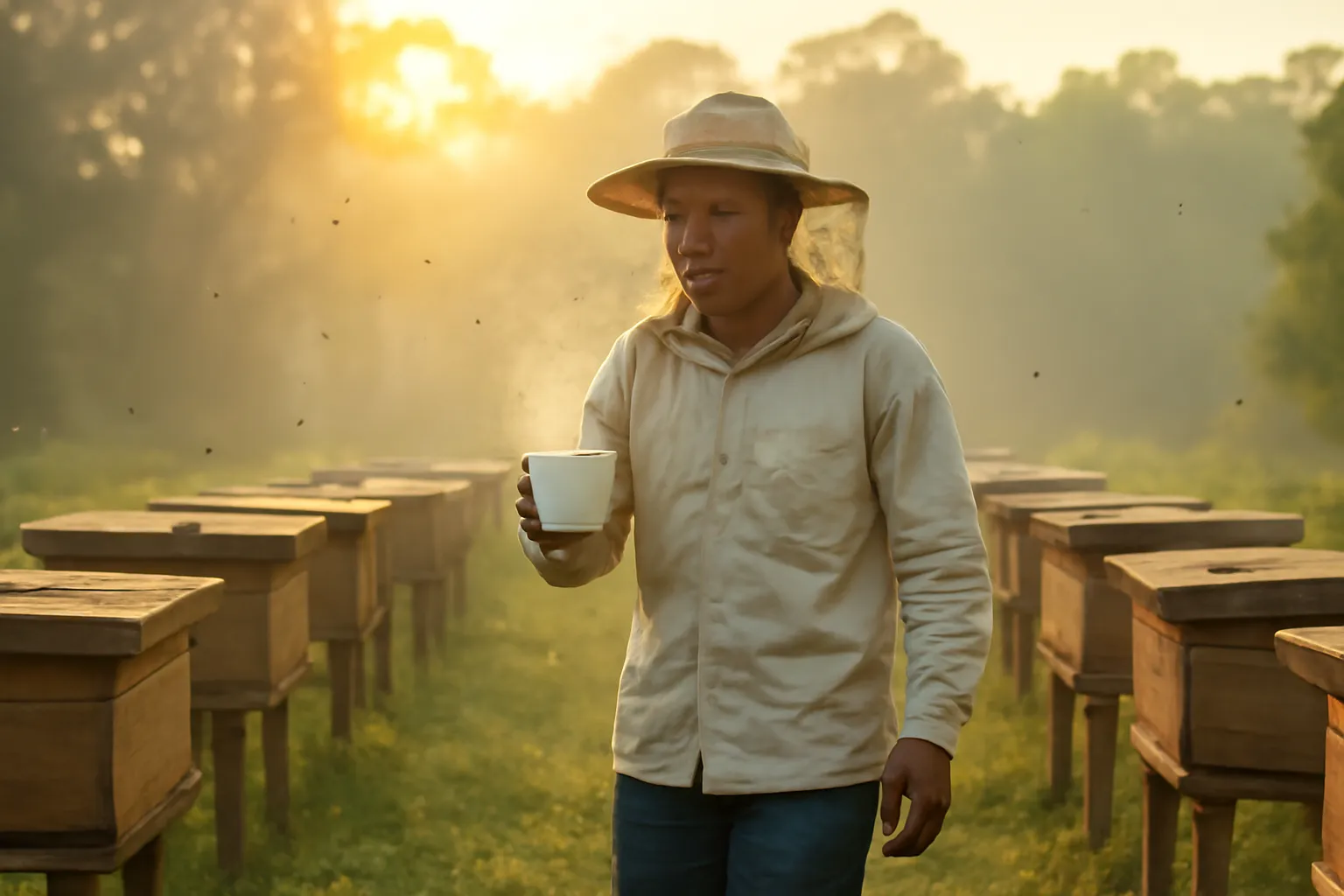
A Misty Morning at the Highland Stingless Bee Hives
On a misty highland morning stingless bees stay inside until the air warms, so the first hours at the hives are about listening, looking at entrances
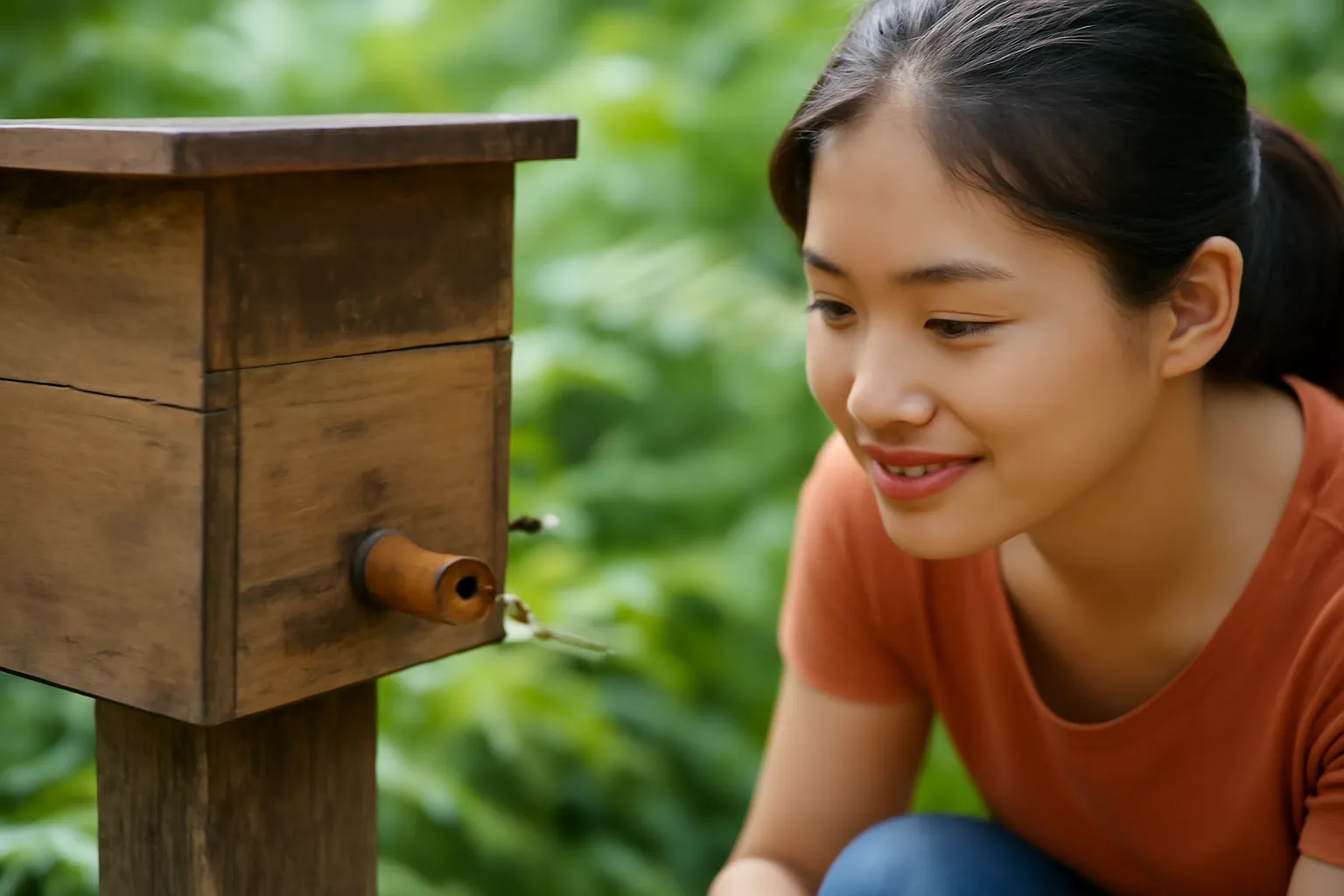
How to Photograph Stingless Bees: Phone and Camera Tips
To photograph stingless bees, shoot from the side of the hive entrance in soft mid-morning light, focus on the guard bees at the tube, use burst mode
 ›
×
›
×

MoraBee is the international name of Ong Moc, a stingless bee farm in Ta Dung, Lam Dong, among forest and coffee gardens: unblended honey in clean jars, starter colonies, and farm visits.
Vietnamese stingless bee honey from the highlands
A brand by Tên Miền Đẳng Cấp
© 2026 MoraBee. All rights reserved. · Copyright · OD-3864-C503