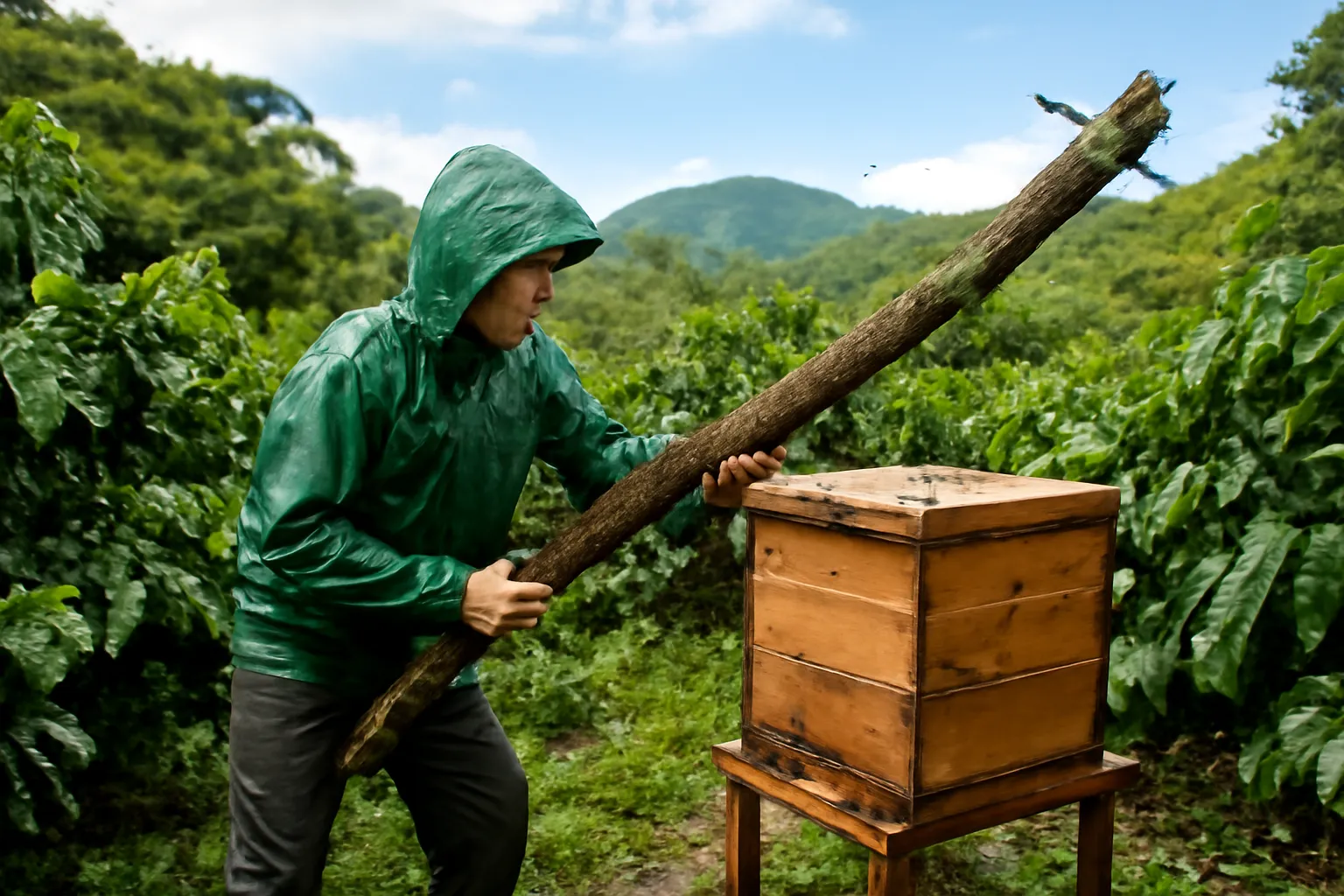
Storm Season Checklist for Highland Stingless Bee Hives
The rainy season is the hardest time of year for highland stingless bee hives. Before it starts, every box needs a roof that sheds water, a stand that will not tip and a drain around it; after each storm, check that no water got inside, nothing moved and nothing fell on the hive. That routine prevents most storm losses.
In Ta Dung the rains arrive with real weight. Afternoons can turn from sunshine to a downpour in minutes, wind comes up the valley, and the forest drops branches. The bees stay inside and wait it out, but the box they live in has to do the work. This checklist is organised in the order we actually use it: before, during and after.
Why storms are hard on stingless bee colonies
Stingless bees cannot fly in heavy rain, so long wet spells mean long periods without foraging. A colony lives on its stores of honey and pollen through those days. That makes strong stores going into the rains important, and it also means a colony knocked over or flooded in the middle of the season has no easy way to rebuild.
Water is the main danger. A stingless bee nest is built of soft wax and resin, and it does not cope well with water coming in. A leaking lid, a crack along a seam or a box sitting in a puddle can soak the brood, spoil pollen stores and invite mould. Damp boxes also attract small flies that lay eggs in weak colonies.
Wind and falling branches are the next risk. Highland storms often come with strong gusts, and old trees at the forest edge drop limbs. A box on a tall or unbraced stand, or under a big tree, is exposed.
Finally, ants move uphill in heavy rain, looking for dry places. A hive box can look like shelter, and a colony weakened by the weather is easier to overrun.
Before the rains: getting each hive ready
Check every roof. Make sure lids sit flat and overhang the sides so water runs off rather than into seams.
Add a rain cover. A sloping sheet of metal or a small wooden roof on top of the lid adds a second layer.
Seal cracks from outside. Use wax or a bee-safe sealant on any gaps that have opened in the dry season.
Check stand level and footing. Fix any lean now, while the ground is firm.
Brace tall stands. Add a brace on the side most exposed to wind or downhill.
Clear drains. Make sure water around each stand has a path away from it.
Trim branches above hives. Cut dead or overhanging limbs, or move the hive from under trees that drop branches.
Raise boxes off wet ground. No hive should sit where puddles form.
Check stores. Colonies going into the rains should have honey and pollen pots, not empty ones.
Strap down lids. A rubber strap or screws stop wind from lifting lids off.
Mark weak colonies. Know which ones may need closer care during the season.
Keep tools ready. A spare lid, strap, sealant and a small tarp make storm repairs quick.
During a storm: what to do and what not to do
Most of the time the best thing during a storm is to stay safe and leave the hives alone. Climbing a wet slope in heavy rain or lightning to check a box puts you at more risk than the bees. Hives that were well prepared will ride out a normal storm.
If you see a specific danger from a safe place, such as a lid blown off or a branch hanging over a box, act only if it can be done without risk. A tarp thrown over an open box, weighted at the corners, can protect a colony until the rain stops.
Do not open hives to look inside during or right after rain. The nest is already damp and cool, and opening it adds more moisture and stress. Wait for a dry, warm spell.
Do not try to move hives in a storm unless one is in immediate danger of falling or flooding. Moving a box in the wet, on slippery ground, risks dropping it.
After the storm: what to check on each hive
Is the box still upright and level? Look for leaning or movement on the stand.
Did water get inside? Lift the lid slightly at the edge to look for wet patches, without opening the nest fully.
Is the lid in place? Check for gaps along the edges after wind.
Are there fallen branches nearby? Clear them carefully, without knocking the stand.
Is the entrance clear? Leaves, mud or debris can block it. Clear it gently.
Is the drain still working? Clear any mud or leaves blocking the channel.
Are ants on the stand or box? Break trails and clean the guard.
Is honey leaking? Honey outside the box means broken pots. Clean it and watch for robbers and ants.
Are bees flying when the sun comes out? Forager traffic returning in the warm hours is the best sign of health.
Are small flies hovering? Flies around the entrance can mean a weakened or damaged colony.
Has the footing washed out? Check under each stand for exposed stones or sunken corners.
Through the season: keeping colonies strong
A long rainy season tests colony stores. Watch for weeks when foraging drops to almost nothing, and if a colony becomes light, consider feeding it carefully inside the box rather than in open dishes. Feeding is a bridge, not a habit, and works best for colonies that are otherwise healthy.
Keep an eye on moisture. A box that stays damp inside for weeks is at risk of mould and pests. Improving the roof, moving it to a drier spot or adding a dry insulating layer on top of the inner lid can help.
The breaks between storms are your working time. Short dry spells are good for repairs, clearing drains and checking stands. Plan the bigger jobs, like moving a hive or replacing a rotten post, for longer dry periods.
As the rains ease and the dry season approaches, give every hive a full check. Note which ones came through well and which struggled, and use that to plan placement and preparation for the next year.
Frequently asked questions
Can stingless bees survive long rainy periods?
Yes, strong colonies with good stores survive long wet spells. Weak or poorly housed colonies are the ones at risk.
Should I wrap my stingless bee hive in plastic during the rains?
Do not seal the whole box in plastic, because it traps moisture and heat. A roof or cover on top that sheds rain is better.
How do I know if water got into the nest?
Look for wet wood, a musty smell, mould or a drop in activity after rain. If in doubt, check gently on the next dry, warm day.
Is lightning a risk for hives?
Hives under tall isolated trees are more exposed to lightning and falling branches. Placing them away from such trees reduces both risks.
When can I harvest honey after the rainy season?
Wait until the colony is strong again and has built up stores in the drier months. Harvesting right after a hard season can weaken it further.
Written by the team behind a working stingless bee farm about 40 km from Ho Chi Minh City, Vietnam. Articles come from day-to-day work at the farm; technical figures are stated as ranges, not promises.
About the team →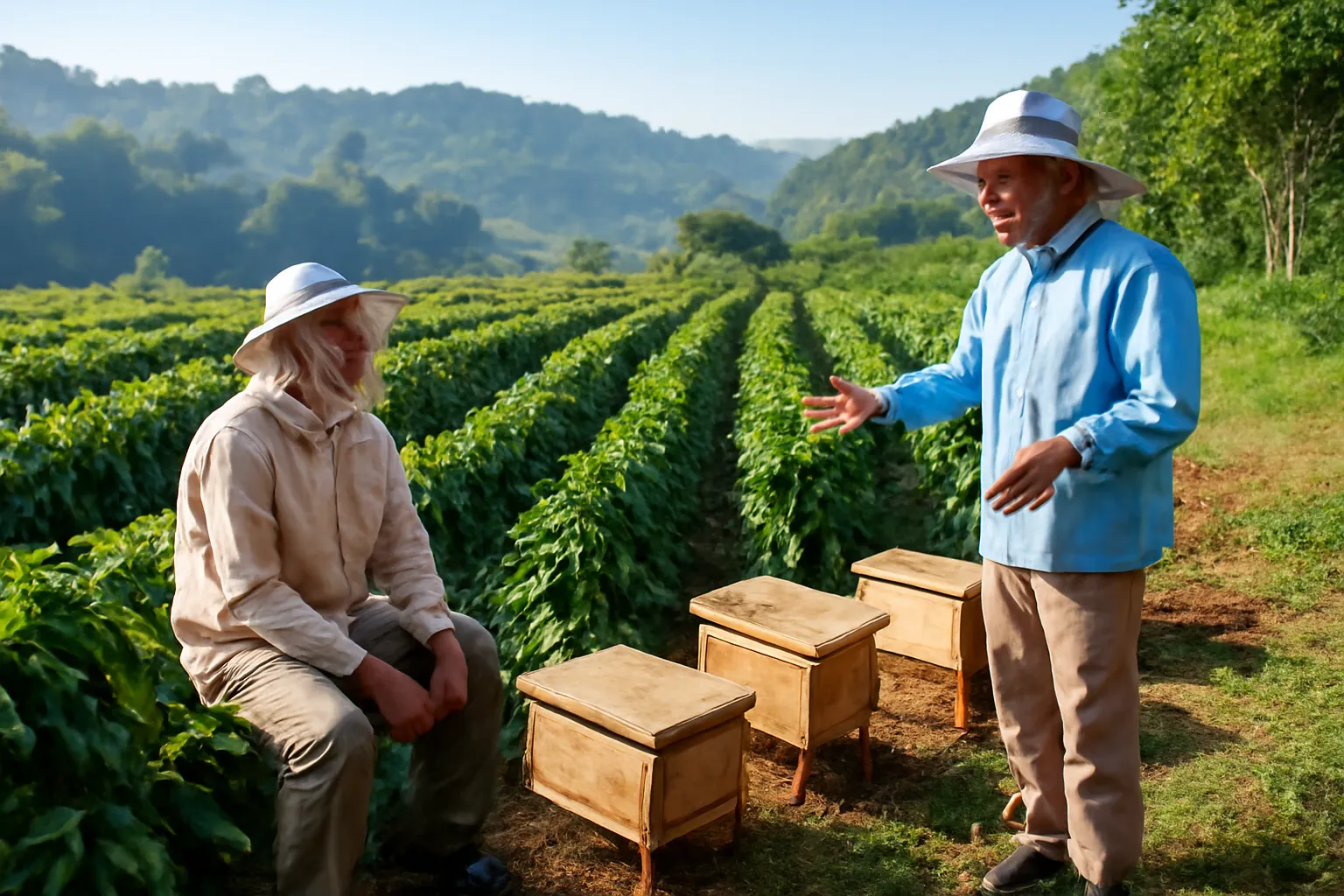
Coffee Spraying Season: Protecting Stingless Bee Hives
Stingless bee hives can live safely among coffee gardens if you know when neighbours spray, keep bees away from treated blossom, and follow the label
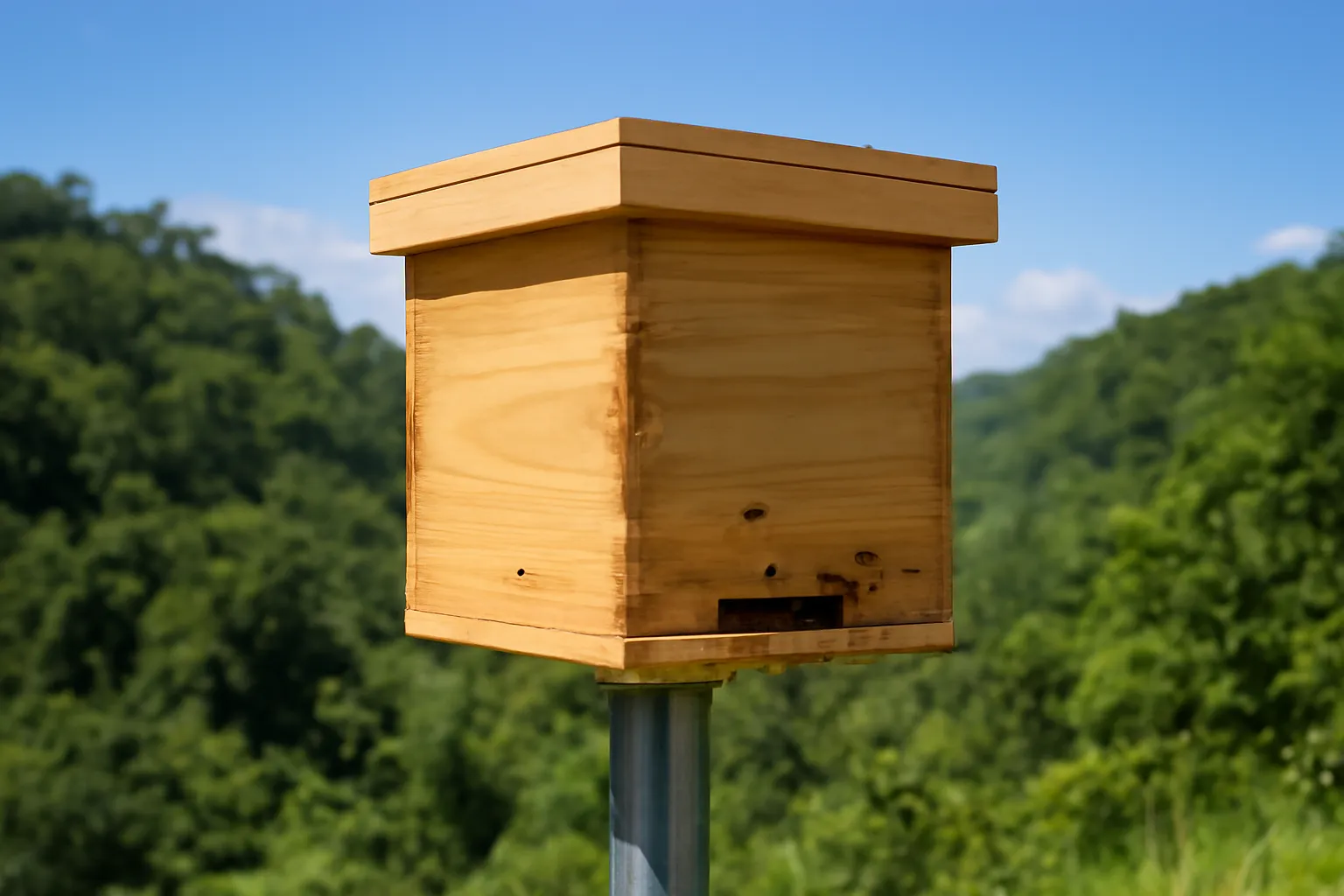
Animals That Raid Stingless Bee Hives Near the Forest
At the forest edge the real hive raiders are ants, lizards, toads and a few climbing mammals; a smooth stand, a tight lid and a narrow entrance stop m
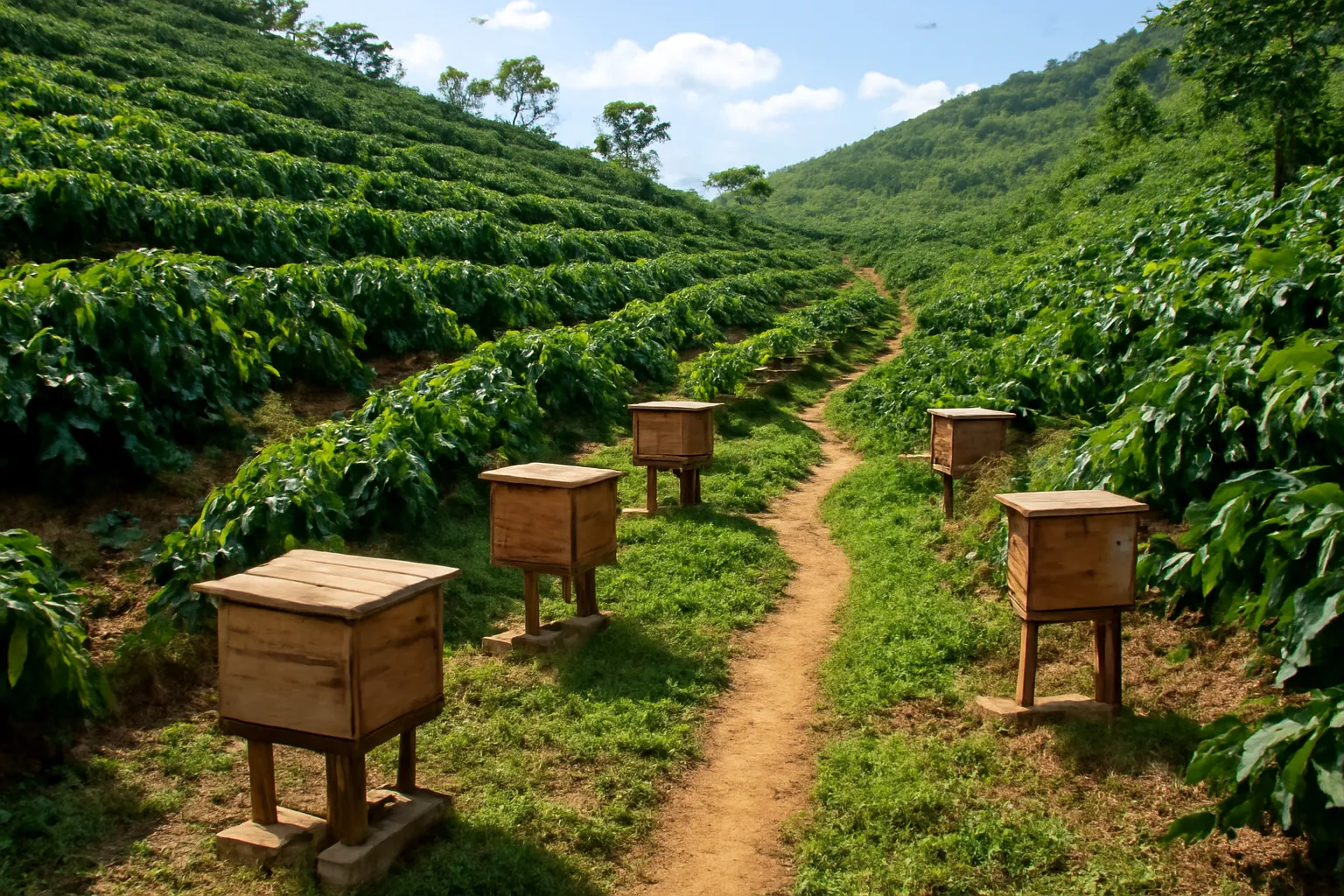
Stingless Bee Hives on Sloping Land: Stands That Stay Put
On steep coffee hills, hives stay safe when each stand sits level on a firm footing, water is led around it rather than under it, and the keeper has a
Herbicide in Coffee Gardens: What It Means for Bees
Herbicides seldom kill stingless bees outright, but they strip away the ground flowers that feed colonies between coffee blooms and can drift onto hiv
Do Honey Bees Rob Stingless Bees? Signs and Prevention
Honey bees can rob stingless bee colonies, mostly in lean months or after honey has been spilled; a narrow resin entrance, clean harvests and good spa
 ›
×
›
×

MoraBee is the international name of Ong Moc, a stingless bee farm in Ta Dung, Lam Dong, among forest and coffee gardens: unblended honey in clean jars, starter colonies, and farm visits.
Vietnamese stingless bee honey from the highlands
A brand by Tên Miền Đẳng Cấp
© 2026 MoraBee. All rights reserved. · Copyright · OD-3864-C503